
Key Points :
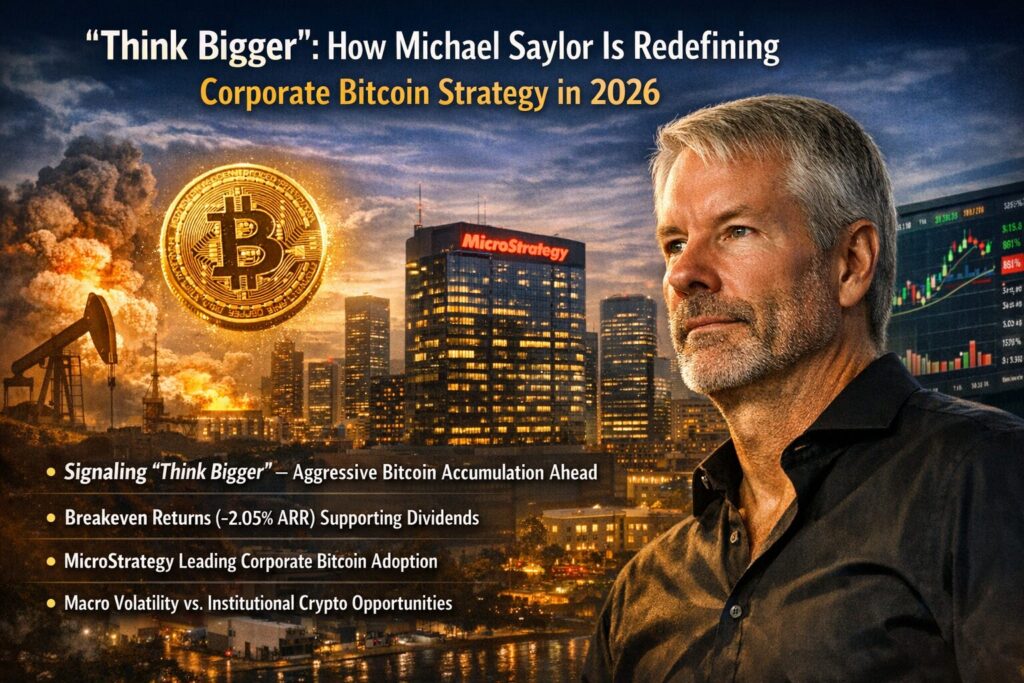
- Michael Saylor संकेत “Think Bigger” → signals likely continued aggressive accumulation of Bitcoin
- Strategy’s breakeven return (~2.05% ARR) enables dividend sustainability without new equity issuance
- Corporate Bitcoin accumulation is increasingly dominated by MicroStrategy
- Macro volatility (oil, geopolitics) contrasts with strong internal crypto market signals
- New opportunity landscape: yield strategies, treasury models, and institutional crypto adoption
Introduction: A New Phase of Corporate Bitcoin Strategy
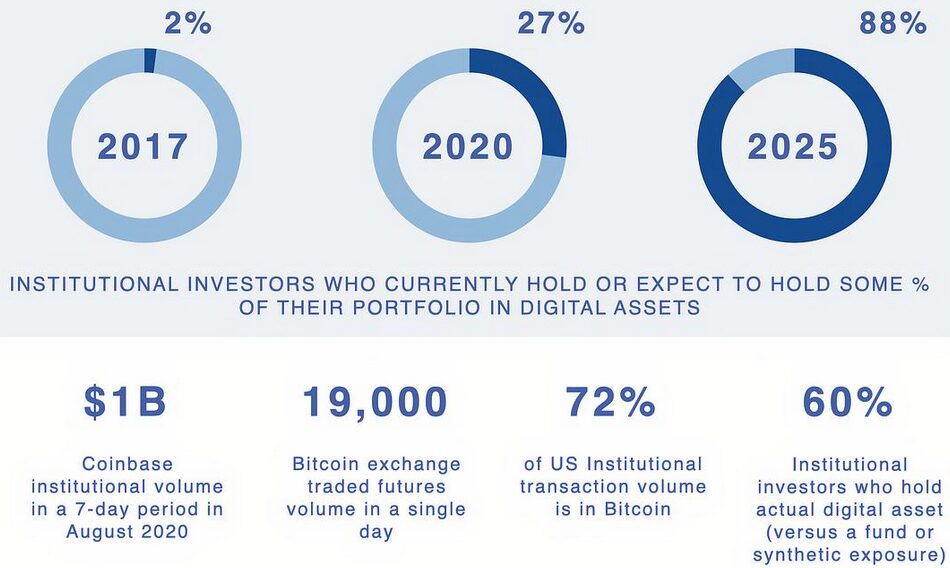
The global cryptocurrency market has entered a phase where institutional behavior is no longer a secondary force—it is the primary driver. At the center of this transformation stands Michael Saylor, whose latest signal—“Think Bigger”—may appear simple on the surface, but carries profound implications for how corporations interact with Bitcoin.
This article expands on recent reports and integrates broader market developments to analyze how Saylor’s strategy is shaping not only Bitcoin’s price trajectory but also the future of corporate finance, yield generation, and blockchain-based asset management.
1. “Think Bigger”: More Than Just a Signal
When Michael Saylor posted “Think Bigger,” experienced market participants immediately recognized a familiar pattern. Historically, such statements have preceded disclosures of additional Bitcoin acquisitions by MicroStrategy.
This signaling mechanism has effectively become part of the market’s behavioral framework. Traders, institutional observers, and even retail investors interpret these cues as early indicators of incoming capital flows into Bitcoin.
But beyond signaling, the phrase represents a strategic philosophy:
- Scale matters in Bitcoin accumulation
- Time horizon is effectively infinite
- Volatility is not risk—it is opportunity
This mindset is increasingly influential among institutions exploring Bitcoin treasury strategies.
2. The 2.05% Threshold: A Financial Engineering Breakthrough
At the core of Strategy’s model lies a deceptively simple concept: breakeven return.
ARRbreakeven≈2.05%
Saylor explained that as long as Bitcoin’s annual growth rate exceeds approximately 2.05%, the company can sustain dividends indefinitely without issuing new equity.
This is a critical innovation in corporate finance. Traditionally, dividends are funded through:
- Operating profits
- Cash reserves
- Debt or equity issuance
However, Strategy introduces a fourth mechanism:
Asset appreciation as a dividend engine
This effectively transforms Bitcoin into a yield-generating asset—not through staking or lending, but through long-term capital appreciation.
Implications for Investors
- Bitcoin becomes comparable to dividend-paying equities
- Treasury management shifts from preservation → growth optimization
- Equity dilution risk is reduced
This model could be replicated by other firms, especially those holding large digital asset reserves.
3. Scale and Dominance: Strategy’s Unmatched Position
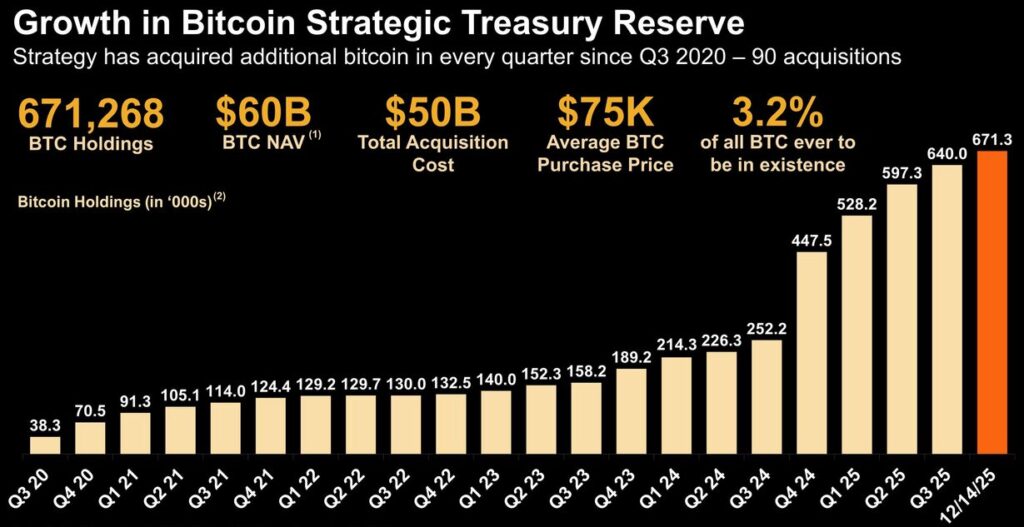
As of early April 2026, MicroStrategy holds approximately:
- 766,970 BTC
- Total investment: ~$58.02 billion
- Average acquisition cost: ~$75,644 per BTC
This scale is unprecedented.
Data from CryptoQuant highlights an even more striking reality:
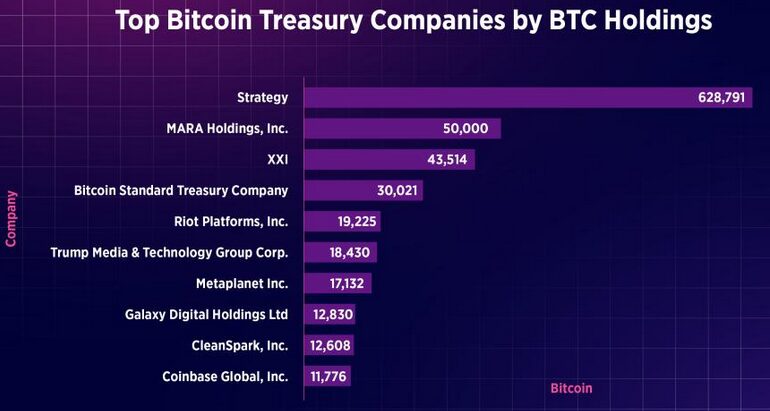
- Other corporate buyers: ~1,000 BTC (last 30 days)
- Strategy alone: ~45,000 BTC
This means that Strategy accounts for the overwhelming majority of corporate Bitcoin accumulation.
What This Means
- Market influence is highly concentrated
- Strategy effectively acts as a quasi-ETF proxy
- Corporate Bitcoin adoption is still in early stages
For investors, this presents both opportunity and risk—dependence on a single dominant actor.
4. Funding the Machine: Equity, ATM Programs, and Financial Innovation
Strategy’s recent purchases—including ~4,871 BTC (~$329.9 million)—were funded through its ATM (At-The-Market) equity program.
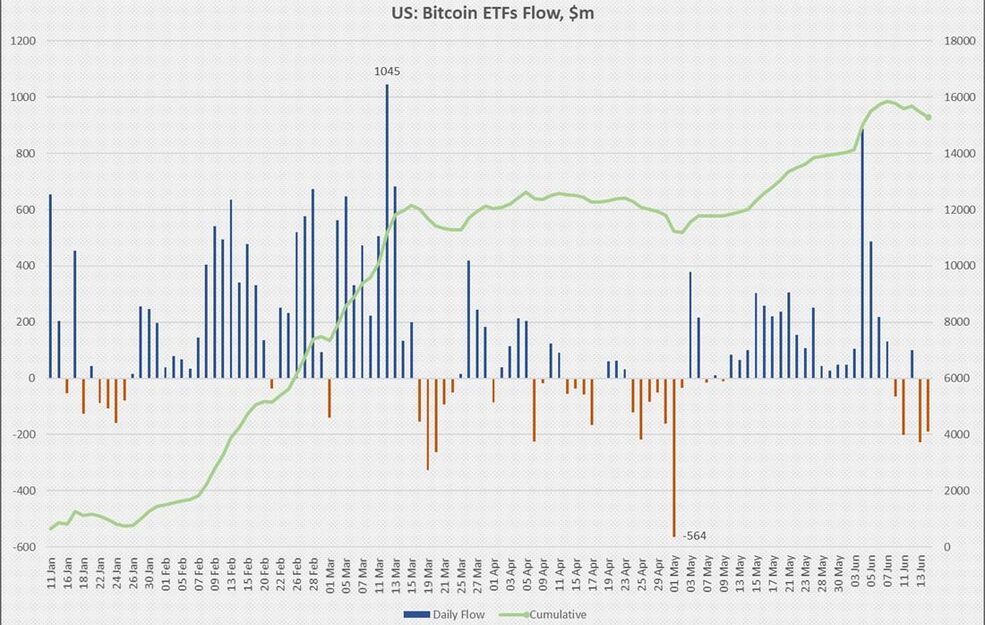
This approach allows the company to:
- Issue shares gradually
- Raise capital without large market disruption
- Convert equity into Bitcoin
Why This Matters
This is not simply buying Bitcoin—it is financial engineering at scale:
- Equity → Bitcoin conversion loop
- Market timing optimization
- Continuous capital inflow
This model effectively turns capital markets into a Bitcoin accumulation engine.
5. Macro Pressure vs Crypto Resilience
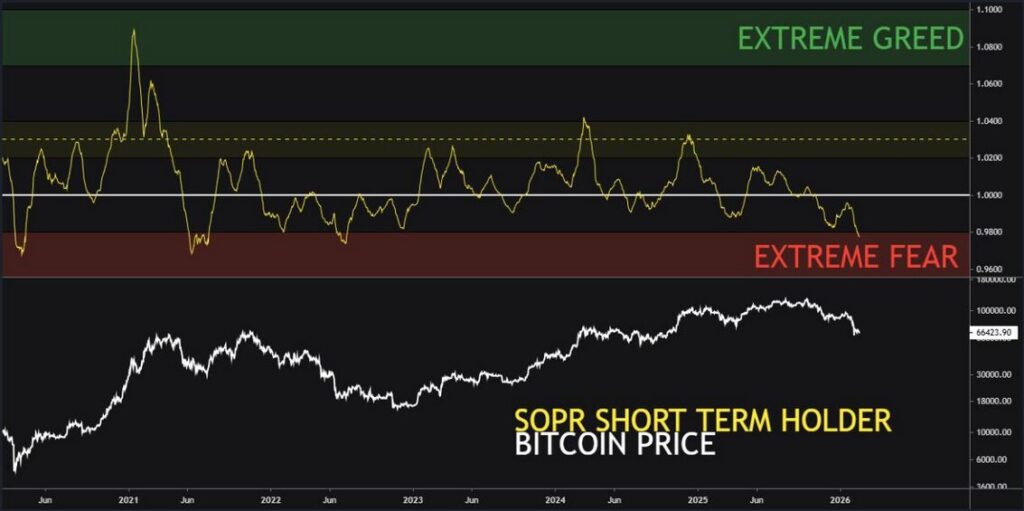
Recent geopolitical tensions—particularly around the Strait of Hormuz—have triggered:
- Oil price surges
- Bitcoin price declines
- Increased mining costs
However, internal crypto market indicators tell a different story:
- Strong spot buying
- Bullish options positioning
- Continued institutional accumulation
This divergence suggests:
Short-term macro shocks vs long-term structural demand
For investors, this creates asymmetric opportunities.
6. The New Yield Paradigm: Beyond Staking
Traditional crypto yield strategies include:
- Staking
- Lending
- Liquidity provision
But Strategy introduces a new category:
Treasury-Based Yield
Instead of earning yield directly, companies:
- Hold appreciating assets (Bitcoin)
- Leverage balance sheet growth
- Distribute value via dividends
This model could expand into:
- Bitcoin-backed bonds
- Structured products
- Tokenized corporate treasuries
For blockchain practitioners, this opens new design space for financial products.
7. Strategic Implications for Builders and Investors
For your target audience—those seeking new crypto assets, revenue streams, and real-world blockchain applications—the implications are significant.
Opportunities
- Build tools for corporate Bitcoin treasury management
- Develop analytics for breakeven return modeling
- Create DeFi products aligned with institutional strategies
Risks
- Over-centralization of Bitcoin ownership
- Dependence on macro conditions
- Regulatory scrutiny on corporate crypto holdings
Conclusion: Thinking Bigger Means Redefining Finance
Michael Saylor’s “Think Bigger” is not just about buying more Bitcoin.
It represents a paradigm shift:
- Bitcoin as a corporate treasury standard
- Asset appreciation as a yield mechanism
- Financial engineering merging with blockchain
As institutions continue to enter the space, the question is no longer whether Bitcoin will be adopted—but how deeply it will reshape global finance.
For forward-looking investors and builders, the opportunity lies in understanding—and participating in—this transformation.
