

Key Points :
- The Ethereum Foundation has launched a $1 million audit subsidy program (~$1,000,000 USD)
- Selected projects can receive up to 30% coverage of security audit costs
- The program partners with Aleta Market and 20+ professional audit firms
- Monthly cohort selection with rolling applications and structured feedback cycles
- Designed to reduce entry barriers and strengthen Ethereum ecosystem security
- Aligns with Ethereum’s core values framework “CROPs” (Censorship Resistance, Open Source, Privacy, Security)
- Comes amid rising security threats such as the Hyperbridge exploit
1. A Strategic Move: Democratizing Security in Web3 Development
The Ethereum Foundation has announced a significant initiative aimed at reshaping the economics of blockchain development: a $1,000,000 audit subsidy program designed to reduce one of the most persistent barriers in Web3—security audit costs.
Security audits are widely regarded as a non-negotiable best practice in smart contract development. However, for early-stage teams and independent developers, these audits often cost anywhere between $20,000 to over $500,000 USD, depending on complexity. This creates a structural imbalance where only well-funded teams can afford robust security validation.
By subsidizing up to 30% of audit costs, the Ethereum Foundation is not merely offering financial assistance—it is redefining access to trust infrastructure. This move reflects a broader recognition that security is not a feature—it is foundational to the viability of decentralized systems.
The program is executed in collaboration with Aleta Market, a marketplace that connects developers with over 20 leading audit firms. Additional evaluation support is provided by industry players such as Chainlink Labs and Nethermind.
2. Why Audit Costs Matter: The Economics of Security
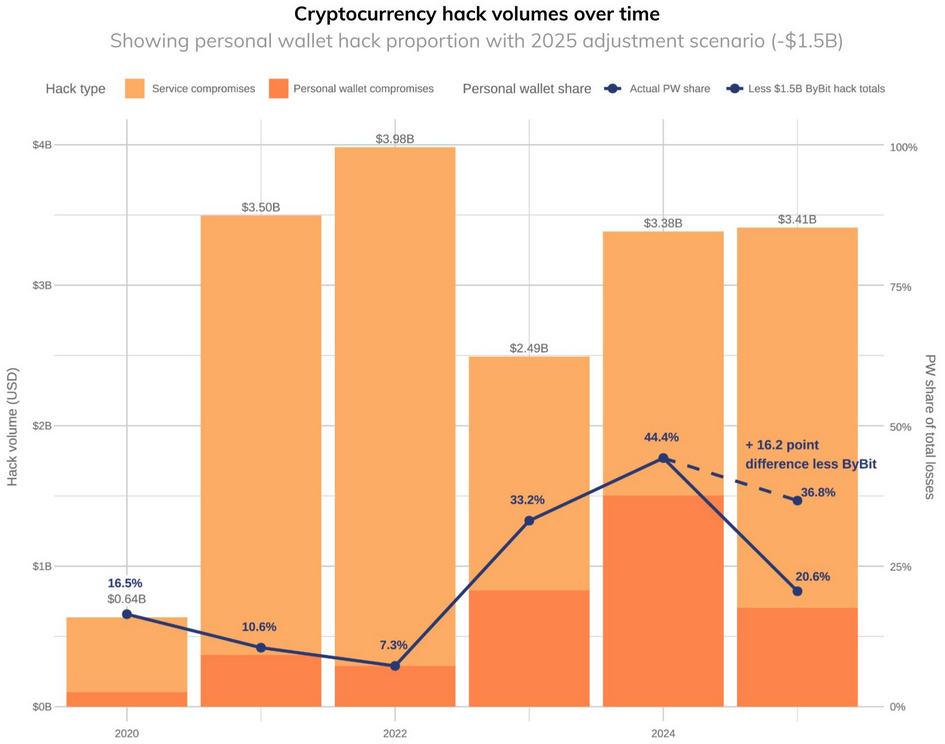
To understand the significance of this initiative, one must examine the true cost of insecurity in blockchain systems.
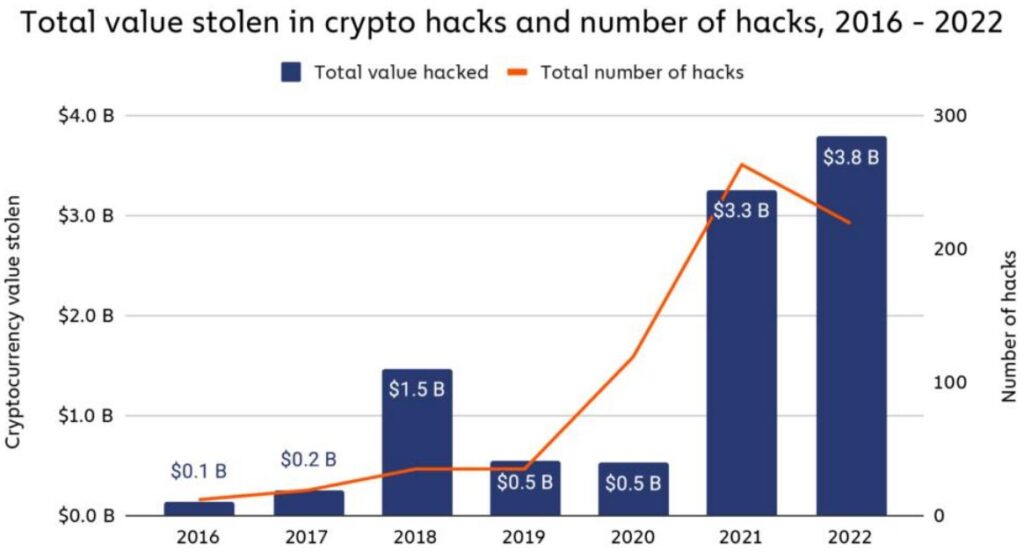
Smart contracts are immutable once deployed. Any vulnerability—whether in logic, access control, or integration—can lead to catastrophic losses. Over the past few years, billions of dollars have been lost due to exploits, many of which could have been mitigated through thorough audits.
The recent Hyperbridge exploit serves as a stark reminder. In that case, attackers exploited a gateway contract to mint 1 billion unauthorized tokens, generating illicit profits. Even relatively small vulnerabilities can cascade into systemic risks, especially in cross-chain environments.
Audit costs are high because they require:
- Deep manual code review
- Formal verification in some cases
- Simulation of attack vectors
- Cross-protocol dependency analysis
This is not commoditized labor—it is highly specialized cybersecurity engineering.
Thus, by lowering audit costs, Ethereum is effectively subsidizing risk reduction at the ecosystem level.
3. Program Structure: Monthly Cohorts and Merit-Based Selection
The subsidy program is structured around a monthly cohort system, introducing both discipline and accessibility.
Application Framework
- Deadline: 14th of every month
- Feedback: 21st of the same month
- Rolling basis: Applications not selected are automatically reconsidered
Evaluation Criteria
Projects are assessed based on:
- Alignment with CROPs values
- Technical merit and innovation
- Feasibility and execution capability
- Team track record
This design ensures that the program is not merely a grant mechanism but a curated pipeline for high-quality projects entering the Ethereum ecosystem.
According to Finn Boothroyd, the initiative is backed by a committee of experts deeply embedded in Ethereum, ensuring that funding decisions are both technically sound and strategically aligned.
4. CROPs: The Philosophical Backbone of Ethereum’s Security Push
The audit subsidy program is closely tied to Ethereum’s recently defined core values framework: CROPs.
- Censorship Resistance
- Open Source
- Privacy
- Security
This framework signals a shift from purely technical development toward value-driven protocol evolution.
Security, in this context, is not just about preventing hacks—it is about:
- Preserving user sovereignty
- Ensuring protocol neutrality
- Maintaining trustless interactions
By embedding audit subsidies within this philosophical framework, Ethereum is reinforcing the idea that security is a public good within decentralized ecosystems.
5. Industry Context: A Rising Tide of Security Awareness
The Ethereum Foundation’s move does not exist in isolation. It reflects a broader industry trend toward institutional-grade security standards.
Key Trends Across the Industry
- Institutional Entry into Crypto
Major financial institutions entering the space demand higher security assurances, driving up audit standards. - Growth of Audit Marketplaces
Platforms like Aleta Market represent a shift toward liquidity in security services, making audits more accessible and standardized. - Rise of Bug Bounty Programs
Complementing audits, bug bounties incentivize continuous security testing post-deployment. - Regulatory Pressure
Governments increasingly expect risk management frameworks, especially for DeFi protocols interacting with real-world assets.
6. Strategic Implications for Developers and Investors
For developers, this program represents a critical opportunity:
- Lower upfront costs
- Access to top-tier audit firms
- Increased credibility with users and investors
For investors and ecosystem participants, the implications are equally significant:
- Higher baseline quality of projects
- Reduced probability of catastrophic failures
- Improved long-term sustainability of DeFi protocols
This aligns with a broader shift toward “security as alpha”—where well-audited, resilient protocols outperform speculative but fragile projects.
7. The Trillion-Dollar Security Vision
The audit subsidy program builds upon Ethereum’s previously announced “Trillion Dollar Security” initiative, which aims to elevate Ethereum’s security standards to support global-scale financial infrastructure.
This vision is not hypothetical. As blockchain systems increasingly intersect with:
- Payment networks
- Asset tokenization
- Cross-border remittances
…the stakes are rising. A single vulnerability in a widely used protocol could have systemic financial implications.
Thus, the subsidy program can be seen as an early-stage investment in systemic resilience.
8. Ecosystem Security Flow
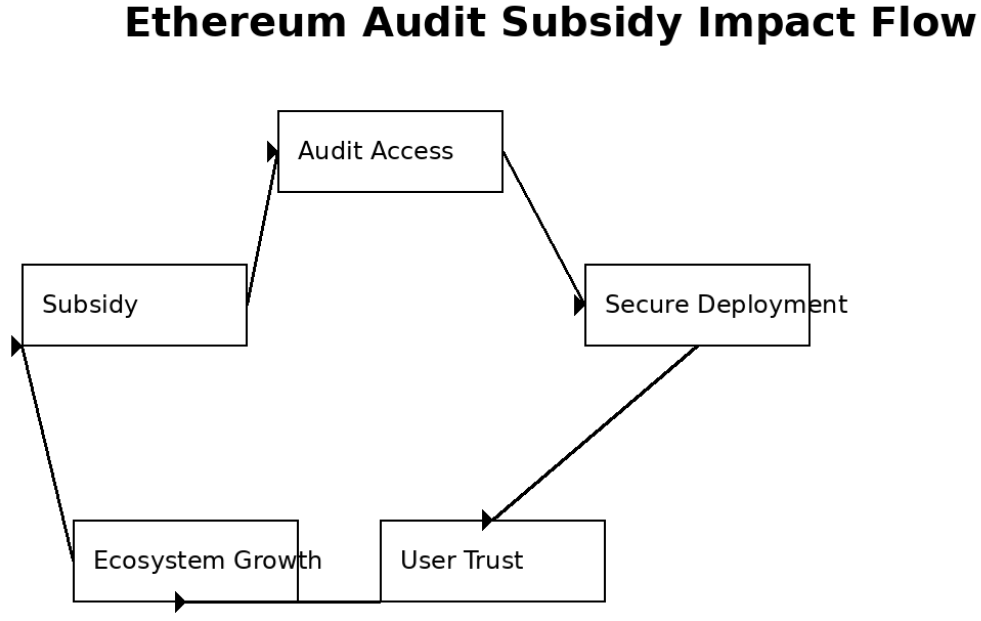
(Image file: “Ethereum Audit Subsidy Impact Flow”)
Description:
A visual diagram showing how subsidy → audit access → secure deployment → user trust → ecosystem growth forms a reinforcing loop.
9. Cost vs Risk Curve
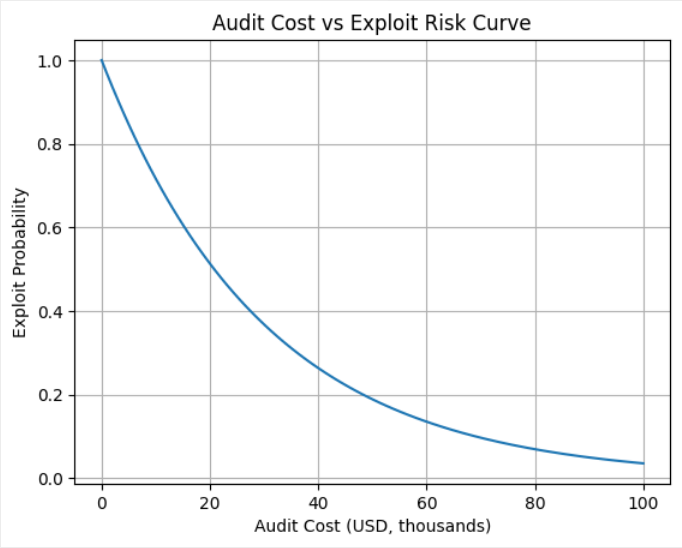
(Image file: “Audit Cost vs Exploit Risk Curve”)
Description:
A graph illustrating how incremental audit spending significantly reduces exploit probability, highlighting diminishing marginal risk.
10. Conclusion: From Optional Best Practice to Mandatory Infrastructure
The Ethereum Foundation’s audit subsidy program marks a pivotal moment in the evolution of Web3.
Security audits, once considered a best practice, are now being treated as essential infrastructure—akin to compliance in traditional finance.
By lowering financial barriers, Ethereum is:
- Expanding the developer base
- Improving protocol quality
- Strengthening ecosystem trust
In a market increasingly defined by institutional participation and real-world integration, this initiative positions Ethereum as a leader in secure, scalable, and trustworthy blockchain development.
For builders, the message is clear:
Security is no longer optional—and now, it is more accessible than ever.




