
Key Points :
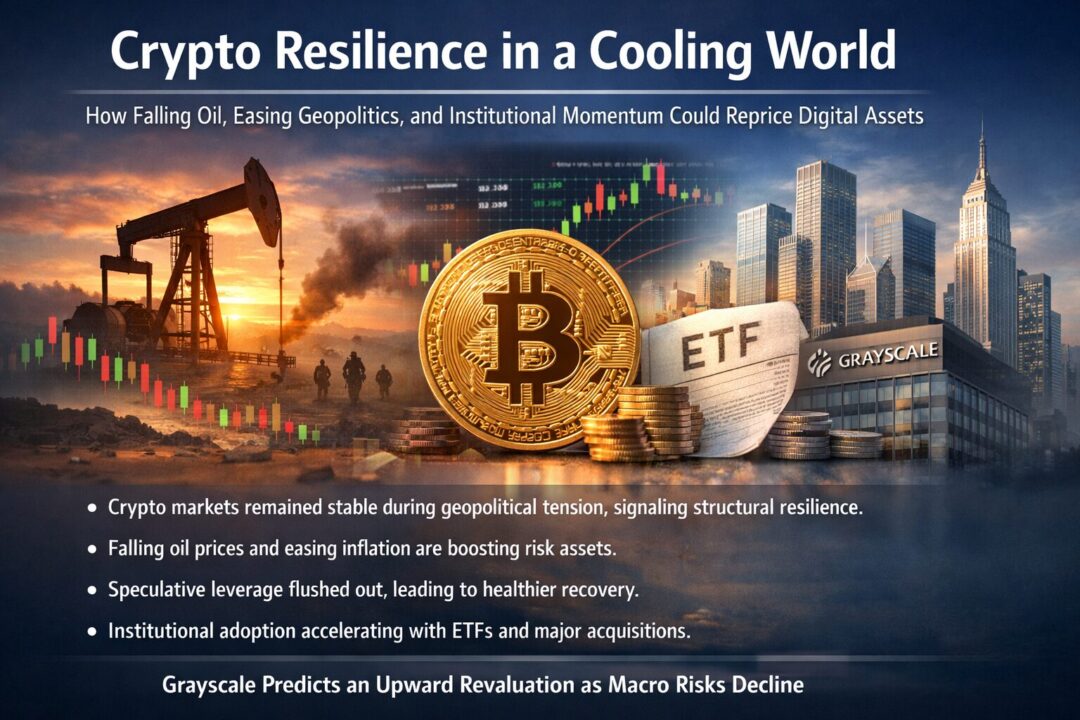
- Crypto markets remained stable during geopolitical tension, signaling structural resilience.
- Falling oil prices (Brent below ~$98, WTI ~$88) are reducing inflation pressure, supporting risk assets.
- Speculative leverage has been flushed, allowing healthier market recovery.
- Institutional signals—regulation clarity, ETF inflows, and major acquisitions—are accelerating adoption.
- Grayscale expects a meaningful revaluation upward as macro risks decline.
1. A New Macro Backdrop: From Crisis Premium to Stabilization
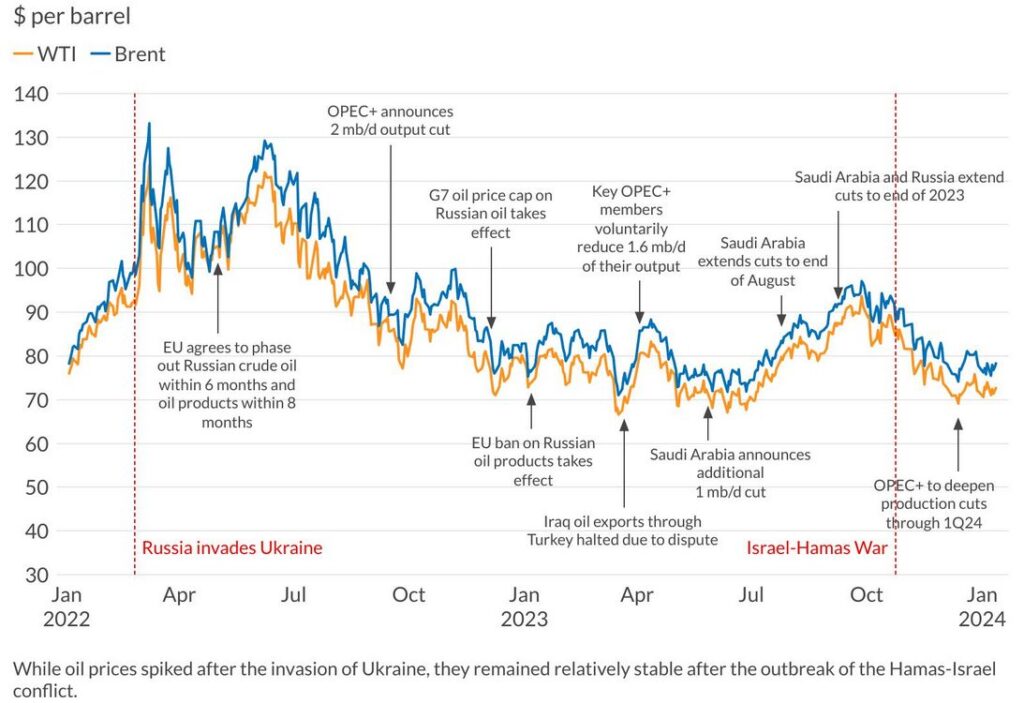
In recent months, global financial markets have been shaped by a familiar yet powerful force: geopolitical tension. The escalation involving Iran triggered a sharp spike in energy prices, with crude oil rising by nearly $40 per barrel at its peak. This surge fed directly into inflation expectations, pushing up swap rates and placing pressure across equities, bonds, and precious metals.
However, the narrative has begun to shift.
As diplomatic signals emerged—ranging from multi-point proposals sent to Tehran to indications of reduced hostility in critical shipping lanes like the Strait of Hormuz—markets rapidly repriced geopolitical risk. By March 25, Brent crude had fallen below $100 per barrel (approximately $98.28), while WTI dropped to around $87.68. This decline marked more than just a commodity correction; it represented a systemic unwinding of the geopolitical risk premium embedded in global markets.
For digital assets, this shift is critical. Inflation-driven macro stress often constrains liquidity and risk appetite. As oil prices fall and inflation concerns ease, capital can begin rotating back into higher-risk, higher-growth sectors—including cryptocurrencies.
2. Crypto’s Unexpected Stability During Conflict
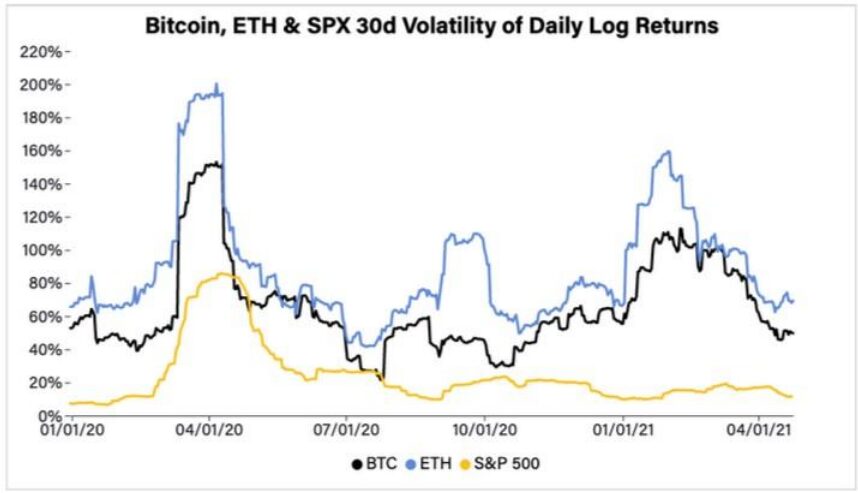
One of the most striking developments during the recent geopolitical episode was the behavior of cryptocurrencies themselves.
According to insights from Grayscale Investments and its Head of Research Zach Pandl, digital assets demonstrated notable resilience even as traditional markets experienced heightened volatility.
This stability can be attributed to two core factors:
1. Structural Independence
Unlike traditional financial systems, blockchain networks operate independently of centralized institutions. Bitcoin, for example, continued to produce blocks consistently, unaffected by geopolitical disruptions. This reinforces the narrative of crypto as a non-sovereign financial infrastructure.
2. Deleveraging Already Completed
Between October and early February, the crypto market underwent significant deleveraging. Speculative positions were reduced, excessive leverage was flushed out, and weak hands exited the market. As a result, the market entered the geopolitical crisis in a cleaner, more stable state.
This contrasts sharply with traditional markets, where leverage and macro sensitivity remain deeply embedded.
3. The Role of Falling Oil in Supporting Crypto
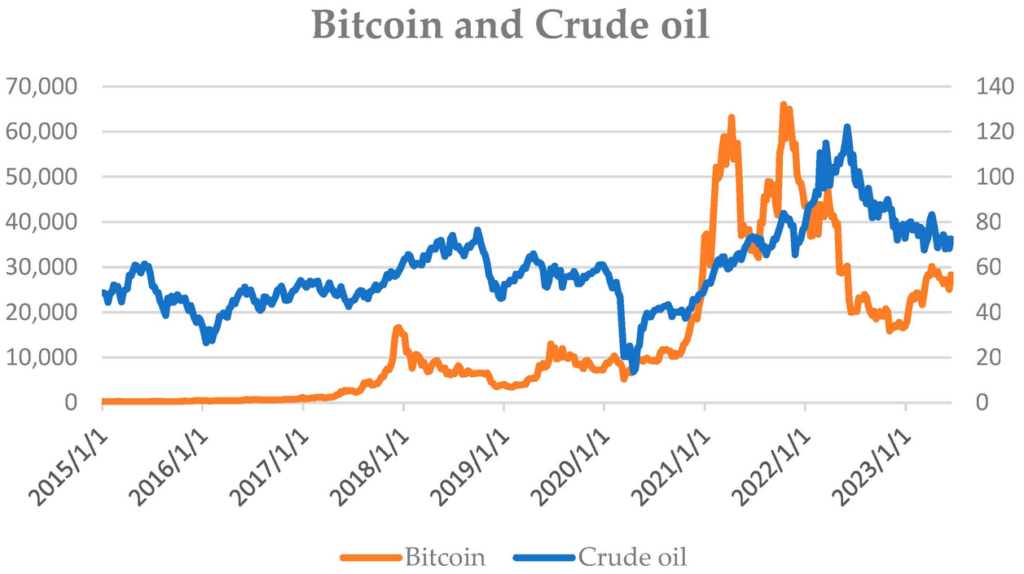
The relationship between oil prices and crypto may not be immediately obvious, but it is deeply intertwined through macroeconomic channels.
When oil prices surge:
- Inflation expectations rise
- Central banks maintain or increase restrictive policies
- Liquidity tightens
- Risk assets—including crypto—face downward pressure
Conversely, when oil prices decline:
- Inflation concerns ease
- Monetary policy expectations become more accommodative
- Liquidity conditions improve
- Risk appetite returns
The recent drop in oil prices therefore acts as a tailwind for digital assets.
Grayscale’s analysis suggests that the unwinding of inflation-driven price distortions is already underway. As macro pressure fades, crypto valuations are likely to reprice upward toward more fundamental-driven levels.
4. Institutional Momentum: The Real Catalyst
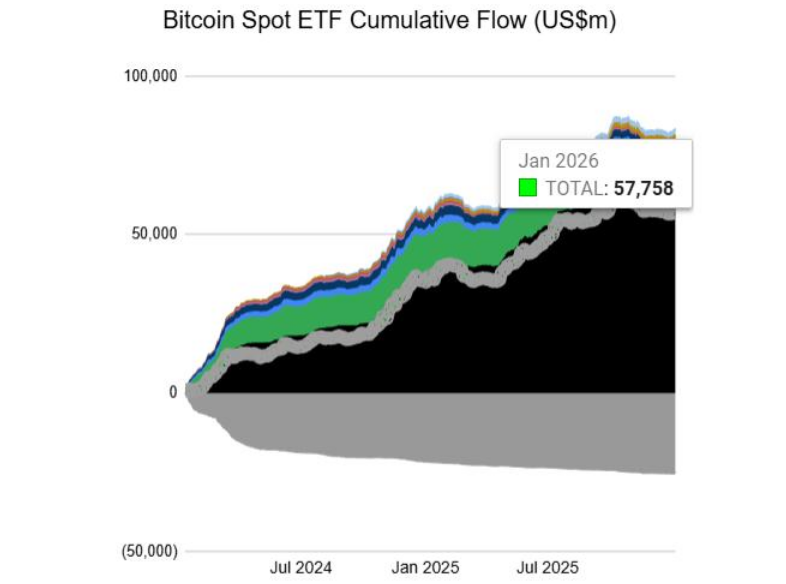
While macro conditions provide the backdrop, the real engine of crypto’s next phase lies in institutional adoption.
Several key developments are shaping this trend:
Regulatory Clarity in the United States
The evolving stance of the U.S. Securities and Exchange Commission—including the classification of many digital assets as non-securities—has significantly reduced regulatory uncertainty. Additionally, legislative efforts such as the CLARITY Act aim to establish a comprehensive framework for digital commodities.
This clarity is crucial. Institutional investors require predictable regulatory environments before committing significant capital.
ETF Flows and Market Structure Evolution
The introduction and expansion of crypto ETFs have opened the market to a broader investor base. Spot exposure through regulated products has driven consistent inflows, supporting price stability and liquidity.
Corporate Adoption and Infrastructure Expansion
A notable example is Mastercard’s planned acquisition of BVNK, signaling growing confidence in stablecoin-based payment infrastructure.
This move reflects a broader trend: traditional financial giants are not merely observing crypto—they are actively integrating it into their core business models.
5. Market Structure Reset: Healthier Foundations for Growth
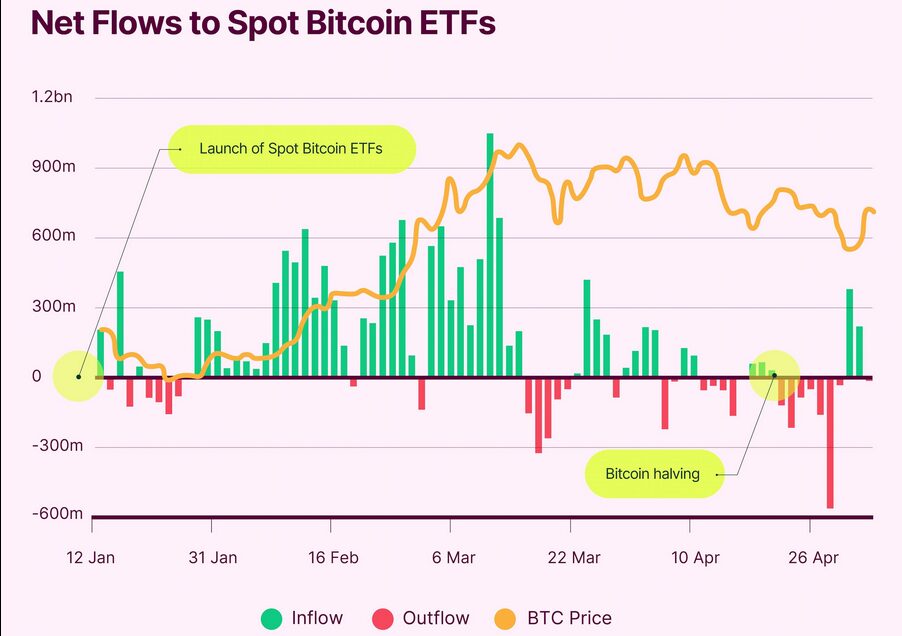
Another critical factor underpinning the current recovery is the reset in market structure.
Following months of selling pressure:
- Speculative excess has been reduced
- Open interest in perpetual futures is rebuilding gradually
- Spot inflows into exchange-traded products are increasing
This combination suggests a transition from a speculative-driven market to a demand-driven recovery.
In practical terms, this means:
- Less vulnerability to sudden liquidations
- More sustainable price movements
- Greater participation from long-term investors
For traders and investors seeking new opportunities, this environment is significantly more attractive than the leverage-heavy conditions seen in previous cycles.
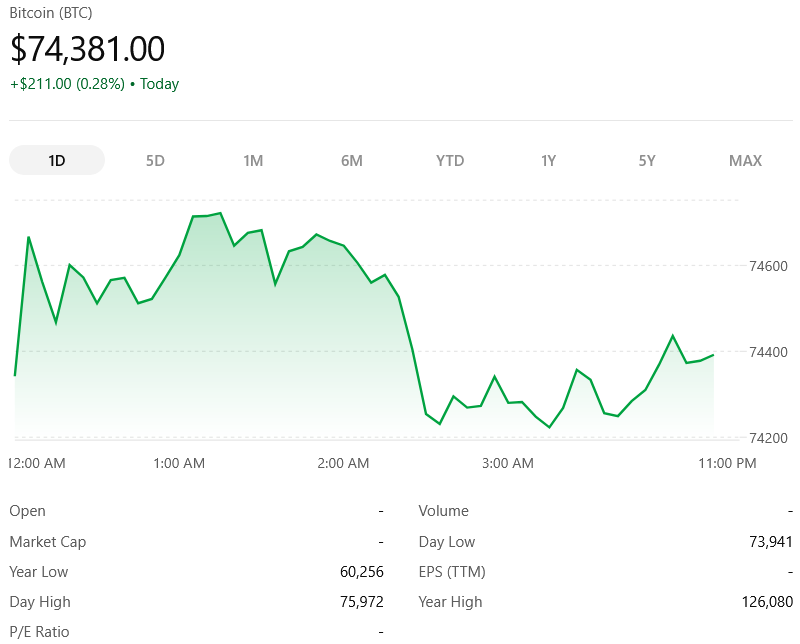
(Graph: Oil Price vs Bitcoin Price Correlation – showing inverse macro pressure effect)
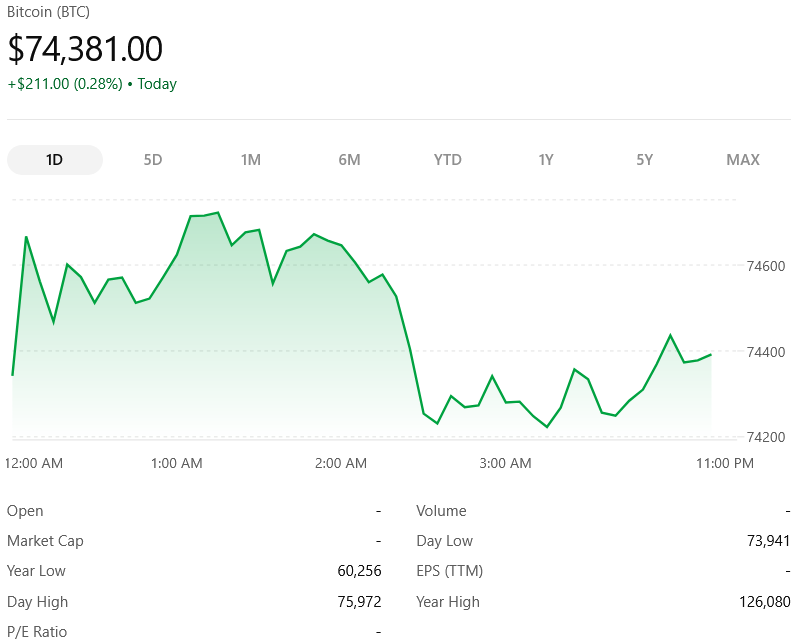
(Graph: Crypto ETF Net Inflows and Price Recovery Trend)
6. Strategic Implications for Investors and Builders
The convergence of macro stabilization and institutional momentum creates a unique window of opportunity.
For Investors
- Monitor macro indicators such as oil prices and inflation expectations
- Track ETF inflows and institutional positioning
- Focus on fundamentally strong assets benefiting from regulatory clarity
For Builders and Operators
- Leverage improving sentiment to launch or scale blockchain applications
- Align products with institutional infrastructure (e.g., stablecoins, compliance-ready systems)
- Prepare for increased regulatory standardization globally
Notably, the concept of “Autonomous Trust Tender” vs “Asset-Backed Representation”—a duality emerging in modern finance—becomes increasingly relevant. Crypto is no longer just an alternative asset class; it is evolving into a parallel financial system.
7. Conclusion: A Repricing Cycle in Motion
The current crypto market is not merely recovering—it is restructuring.
Geopolitical risk is easing. Oil prices are declining. Inflation pressures are softening. At the same time, regulatory clarity is improving, and institutional capital is steadily entering the space.
According to Grayscale, these conditions set the stage for a meaningful upward revaluation of digital assets.
What makes this cycle different is not just the macro environment, but the maturity of the ecosystem itself. Crypto has demonstrated resilience under stress, validated its infrastructure, and attracted serious institutional interest.
For those searching for the next wave of opportunity—whether in new digital assets, yield generation, or practical blockchain applications—this moment may represent the early phase of a structurally driven expansion.




