
Main Points :
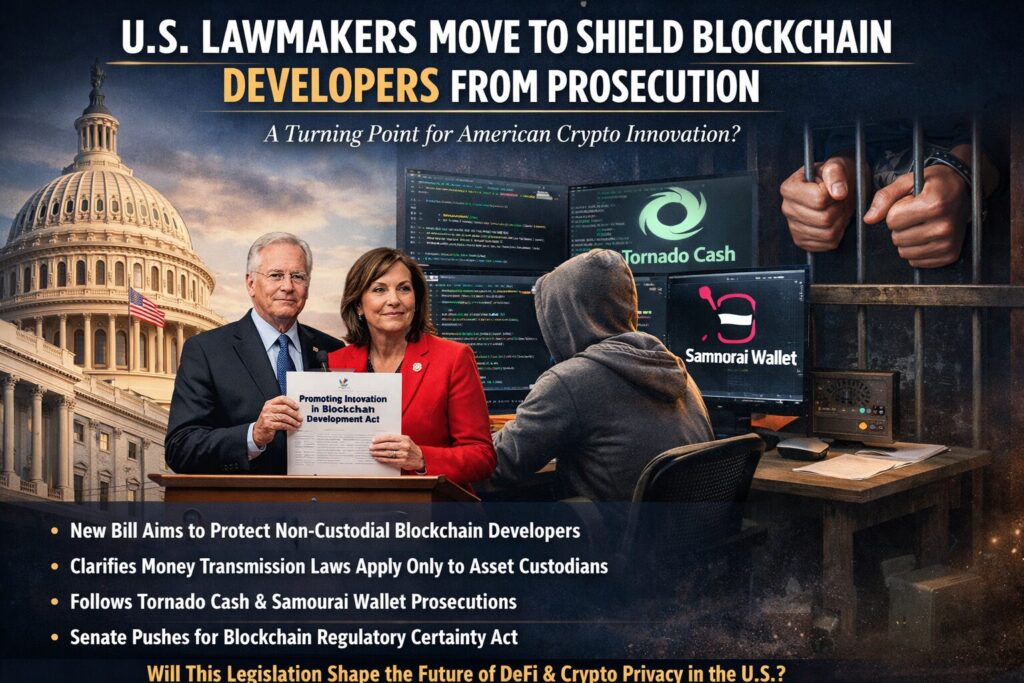
- A bipartisan group in the U.S. House has introduced the Promoting Innovation in Blockchain Development Act to protect non-custodial blockchain developers from criminal prosecution.
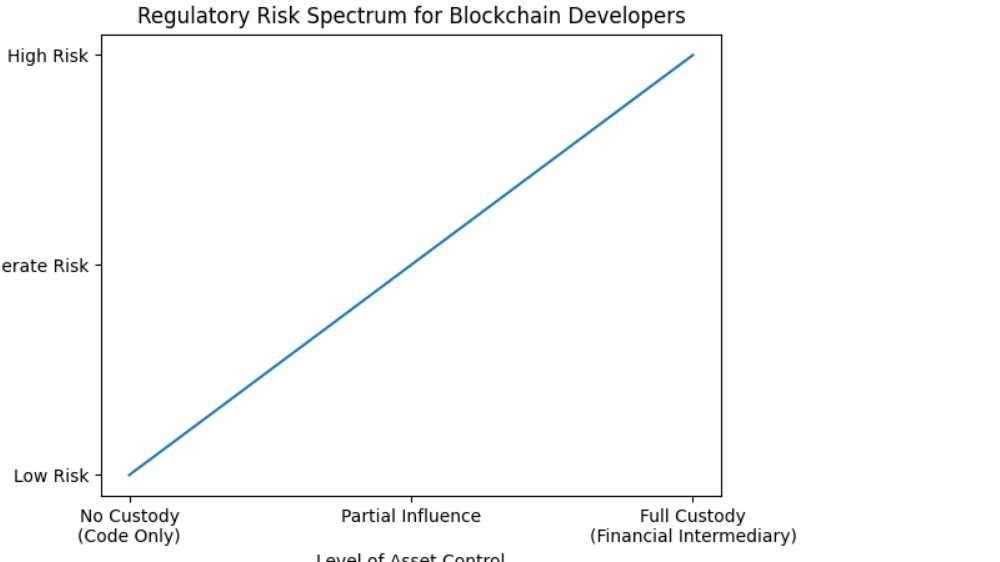
- The bill clarifies that U.S. Code Section 1960 (prohibiting unlicensed money transmission) applies only to actors who control digital assets.
- The legislation follows high-profile prosecutions of developers linked to Tornado Cash and Samourai Wallet.
- Parallel efforts in the Senate, including the Blockchain Regulatory Certainty Act, aim to provide similar protections.
- The outcome could significantly influence the future of DeFi, privacy infrastructure, and blockchain innovation in the United States.
1. A Bipartisan Push to Redefine Developer Liability
A bipartisan group of U.S. Representatives — including Scott Fitzgerald, Ben Cline, and Zoe Lofgren — has introduced new legislation aimed at protecting blockchain software developers who do not take custody or control of users’ crypto assets.
The proposed bill, titled the Promoting Innovation in Blockchain Development Act, seeks to amend the interpretation of Section 1960 of U.S. federal law, which currently prohibits operating an unlicensed money transmitting business. The core objective of the bill is simple but profound: criminal liability under Section 1960 should apply only to individuals or entities that actually control digital assets belonging to others.
In other words, developers who merely write open-source code — without taking possession of customer funds — should not be treated as financial intermediaries or money transmitters.
This distinction is crucial for the future of decentralized finance (DeFi), open-source software development, and blockchain protocol innovation in the United States.
2. Why Section 1960 Matters to Developers
Section 1960 of Title 18 of the U.S. Code was originally intended to combat unlicensed money transmitting businesses involved in illicit finance. However, in recent years, federal prosecutors have applied it to blockchain-related cases involving privacy protocols and decentralized tools.
Under broad interpretations, writing or deploying software that enables users to transfer digital assets — even without custody — has been argued to constitute operating a money transmitting business.
The new House bill aims to narrow this interpretation, explicitly limiting prosecution to those who exercise “control” over customer assets. This clarification would reduce regulatory ambiguity and legal risk for software engineers building decentralized infrastructure.
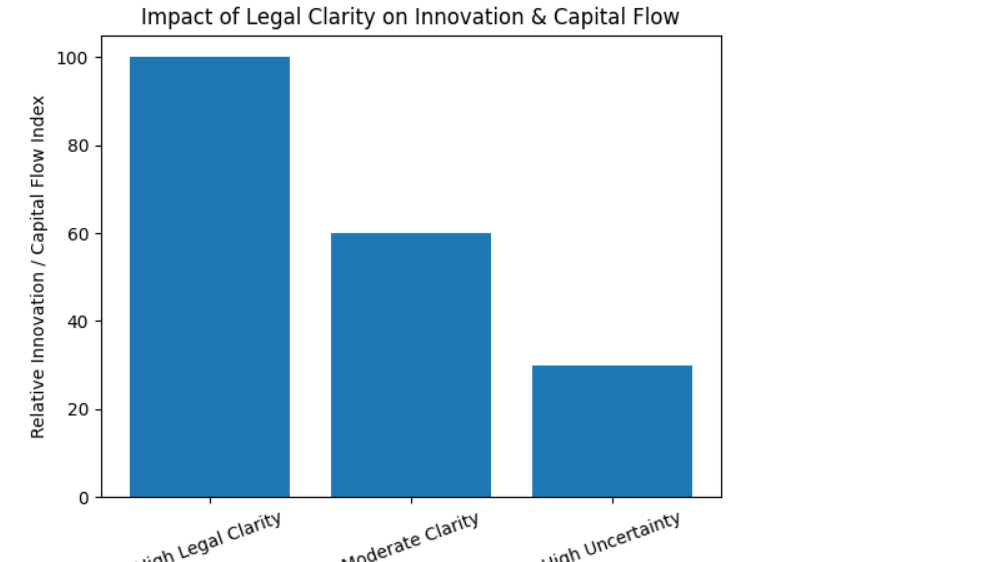
For developers, founders, and venture investors, this change could dramatically improve the risk profile of launching blockchain-based applications within U.S. jurisdiction.
3. The Shadow of Tornado Cash and Samourai Wallet
The legislative push comes in the wake of controversial prosecutions of developers associated with privacy-focused crypto tools.
Tornado Cash Case
Roman Storm, a developer linked to Tornado Cash, was convicted in August 2025 on charges including operating an unlicensed money transmitting business. Sentencing remains pending, and additional counts may face retrial.
Tornado Cash is a non-custodial privacy protocol deployed on Ethereum that allows users to obfuscate transaction history. Developers argued that they merely wrote open-source smart contracts and did not control user funds. Prosecutors, however, contended that the platform facilitated illicit finance and therefore triggered money transmission liability.
Samourai Wallet Case
In July 2025, Samourai Wallet founders Keonne Rodriguez and William Lonergan Hill pleaded guilty to similar charges and received prison sentences of five and four years, respectively.
Samourai Wallet was designed as a privacy-enhancing Bitcoin wallet. Like Tornado Cash, it was non-custodial. Yet federal authorities pursued charges on the theory that facilitating anonymous transactions equated to operating a money transmission service.
These cases sent shockwaves through the crypto development community. Many developers began questioning whether publishing open-source privacy tools in the U.S. could expose them to criminal liability.
The DeFi Education Fund (DEF) has stated that if the new House bill becomes law, prosecutions similar to those brought against Tornado Cash and Samourai Wallet developers would likely be prevented in the future.
4. Senate Momentum: The Blockchain Regulatory Certainty Act
Efforts to protect developers are not limited to the House.
In January, Senators Cynthia Lummis and Ron Wyden introduced the Blockchain Regulatory Certainty Act (BRCA), which similarly seeks to clarify that developers who write code and maintain blockchain networks are not money transmitters if they do not take custody of customer assets.
While both bills share a common philosophy — protecting neutral software development — the legislative path remains uncertain. The Senate is also considering a broader digital asset market structure bill known as the “CLARITY Act,” which passed the Senate Agriculture Committee but has yet to be marked up in the Banking Committee.
Whether explicit developer protections will survive final negotiations is unclear. Opposition remains among lawmakers concerned about illicit finance and national security risks.
5. Broader Regulatory Context: A U.S. Crossroads
The developer protection bills are emerging amid broader shifts in U.S. crypto policy.
Over the past year, regulatory clarity efforts have accelerated:
- Stablecoin frameworks have gained bipartisan traction.
- Market structure bills are attempting to delineate SEC vs. CFTC oversight.
- Court decisions have increasingly scrutinized agency overreach.
- Institutional adoption continues to expand, with Bitcoin ETFs and tokenized Treasury products attracting billions of dollars.
At the same time, enforcement actions against privacy tools have created a chilling effect on innovation.
The central tension is this: how should regulators balance privacy, decentralization, and innovation against anti-money laundering (AML) objectives?
For crypto investors seeking new revenue opportunities and infrastructure plays, this tension is not abstract — it directly affects where capital and talent will concentrate.
6. Practical Implications for Builders and Investors
For readers interested in discovering new crypto assets or blockchain-based revenue streams, the potential passage of these bills could have significant implications.
6.1 DeFi Protocol Development
If non-custodial developers are shielded from prosecution, we may see renewed growth in:
- Privacy-preserving infrastructure
- Non-custodial mixers compliant with emerging standards
- Advanced DeFi primitives
- Zero-knowledge proof applications
6.2 Infrastructure Tokens
Protocols that power decentralized exchanges, rollups, and privacy layers could experience renewed developer activity — potentially influencing token demand and ecosystem growth.
6.3 U.S.-Based Startups
Clarity reduces jurisdictional risk. Venture capital previously hesitant to back U.S.-based crypto founders may re-enter the market more aggressively.
6.4 Regulatory Arbitrage Shifts
If the U.S. successfully balances compliance and innovation, it could regain competitiveness against jurisdictions like Singapore, Switzerland, and the UAE, which have actively courted blockchain developers.
7. Market and Innovation Outlook (2026–2027)
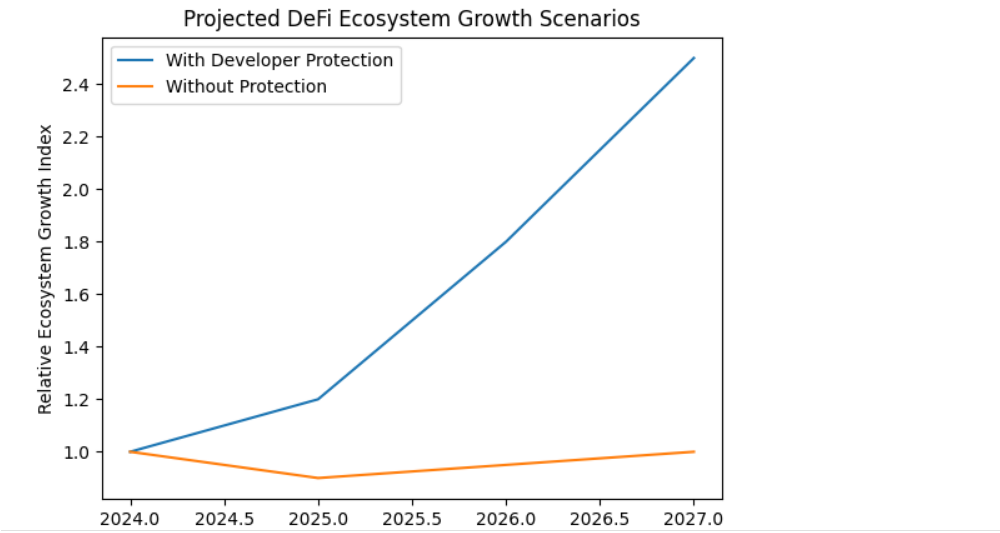
If developer protections are codified into federal law:
- U.S. DeFi TVL could see renewed expansion.
- Privacy-focused tokens may recover sentiment.
- Institutional builders may deploy compliant DeFi infrastructure.
- Hybrid models combining regulated front-ends with decentralized back-ends could proliferate.
However, if the bills stall, the chilling effect may persist, pushing talent offshore and reinforcing regulatory fragmentation.
8. Legal Uncertainty: What Happens to Existing Cases?
A critical unanswered question is whether the new legislation — if passed — would retroactively affect already adjudicated cases.
Roman Storm has not yet been sentenced as of this writing, and retrials on certain counts remain possible. The Samourai Wallet founders have already been sentenced. Whether new statutory clarification would impact appeals or post-conviction proceedings remains legally ambiguous.
For developers currently under investigation or operating privacy tools, uncertainty remains until final legislation is enacted and tested in court.
Conclusion: A Defining Moment for U.S. Blockchain Policy
The introduction of the Promoting Innovation in Blockchain Development Act represents more than a technical statutory amendment. It signals a philosophical shift in how U.S. lawmakers are beginning to view decentralized software.
At stake is whether writing open-source code can be equated with operating a financial intermediary.
For investors seeking emerging crypto opportunities, the implications are substantial. Regulatory clarity often precedes capital inflows. If the U.S. successfully differentiates between custodial financial services and neutral software publication, it may unlock a new wave of DeFi experimentation, privacy innovation, and infrastructure token growth.
Conversely, failure to provide clarity could entrench caution, slow domestic innovation, and accelerate global competition.
In many ways, the future of American blockchain leadership may hinge on whether developers are treated as criminals — or as builders.
