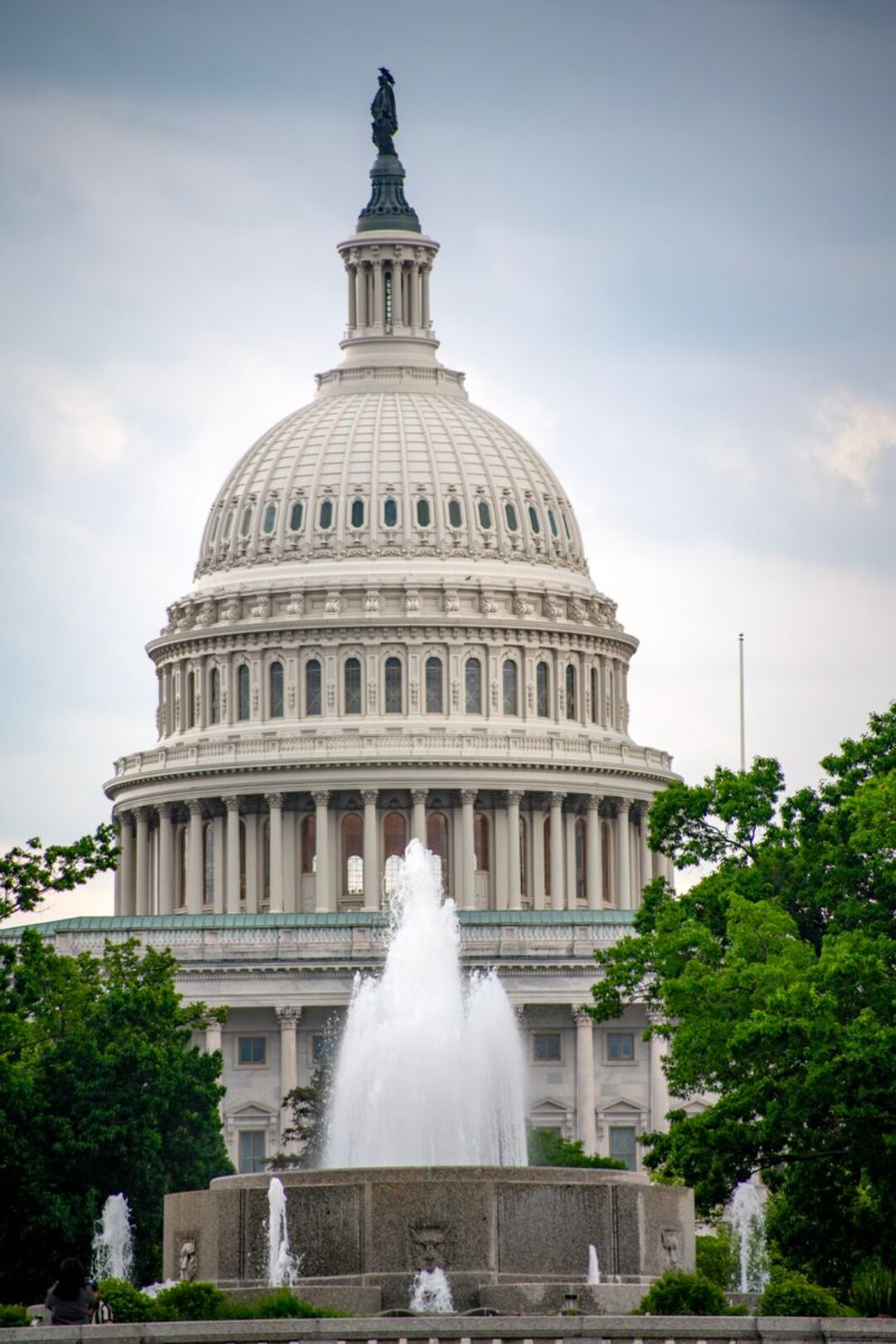
United States Senator Richard Blumenthal imposes a January 4, 2027 deadline on several of the cryptocurrency industry’s most prominent organizations to answer his request for information relating to crypto investigations.
In a statement, the companies targeted include Binance, Tether, World Liberty Financial, and Fight Fight Fight LLC, the company associated with the TRUMP memecoin.
The demands come amid shifting political dynamics in Washington and growing congressional scrutiny of cryptocurrency markets, foreign financial influence, sanctions compliance, and stablecoin activities.
To an industry already facing increased regulatory attention, the development indicates how political oversight may become an increasingly significant factor shaping the future of digital assets in the United States.
New Deadline with Potential Regulatory Consequences
The latest development centers on document requests issued by Senator Richard Blumenthal, a Connecticut Democrat who is expected to gain greater investigative authority following recent political shifts in Congress.
Binance and Tether have been instructed to provide outstanding records by January 4, 2027.
The date is significant because it falls immediately after the next Congress convenes, a development that could strengthen Blumenthal’s ability to pursue further investigative actions should companies fail to cooperate.
The letters were announced on November 5, 2026, shortly after Democrats made gains in the November 3 midterm elections.
Multiple reports note that those election outcomes position Blumenthal to potentially chair the Senate Permanent Subcommittee on Investigations, one of Congress’s most powerful investigative bodies.
While the current requests are not subpoenas, the communications reportedly warn that additional measures could be pursued if the requested information is not provided.
Why Binance is Under Scrutiny
The focus of congressional attention on Binance appears tied primarily to sanctions compliance and anti-money laundering controls.
According to media reports, investigators are seeking information related to allegations that Binance facilitated transactions involving entities connected to Iran and Russia.
Previous congressional inquiries reportedly involved approximately $1.7 billion in transactions connected to sanctioned networks and questions regarding the exchange’s compliance obligations following earlier regulatory settlements.
The inquiry arrives at a particularly sensitive moment for Binance.
The exchange has spent the past several years navigating regulatory challenges across multiple jurisdictions while simultaneously recovering from the record-setting $6.3 billion cybersecurity breach that occurred earlier this year.
Although Binance has emphasized its ongoing compliance efforts and strengthened security measures, renewed congressional scrutiny could add another layer of regulatory complexity for the company.
As digital-asset platforms become more integrated into international financial systems, regulatory expectations surrounding sanctions screening, customer due diligence, and anti-money laundering controls continue to rise.
Tether’s Expanding Regulatory Challenges
The requests directed at Tether focus on a separate set of concerns.
According to reports, congressional inquiries involve the use of Tether’s USDT stablecoin within Iranian financial networks and questions surrounding payments linked to a consulting firm associated with former White House adviser Bo Hines.
Stablecoins occupy a unique position within digital-asset markets. Unlike highly volatile cryptocurrencies, stablecoins function as critical settlement infrastructure, facilitating trading, cross-border transfers, liquidity provision, and decentralized-finance transactions.
This importance has increasingly attracted the attention of policymakers. Regulators globally have begun treating major stablecoin issuers as potentially systemically significant participants within digital finance.
As a result, issues involving sanctions compliance, transaction monitoring, reserve management, and international usage patterns have become central regulatory concerns.
Stablecoin oversight is expanding beyond technical discussions about reserves and into questions involving geopolitical risk, financial flows, and international compliance frameworks.
Trump-Linked Crypto Ventures Face Separate Questions
In addition to Binance and Tether, Blumenthal’s requests target two crypto firms connected to President Donald Trump: World Liberty Financial and Fight Fight Fight LLC. The latter is reportedly associated with the TRUMP memecoin.
Unlike Binance and Tether, whose inquiries focus largely on compliance matters, the Trump-linked investigations appear centered on ownership structures, foreign investments, and potential conflicts of interest.
The senator’s inquiries seek information regarding financial relationships, investment structures, and potential foreign influence connected to Trump-affiliated crypto ventures.
Documentation requests reportedly stem from concerns regarding ownership transparency and the financial interests surrounding these projects.
Notably, these companies face an earlier compliance milestone. Reports indicate they were instructed to begin document production by November 30, 2026, while still remaining subject to the broader January 4 deadline.