
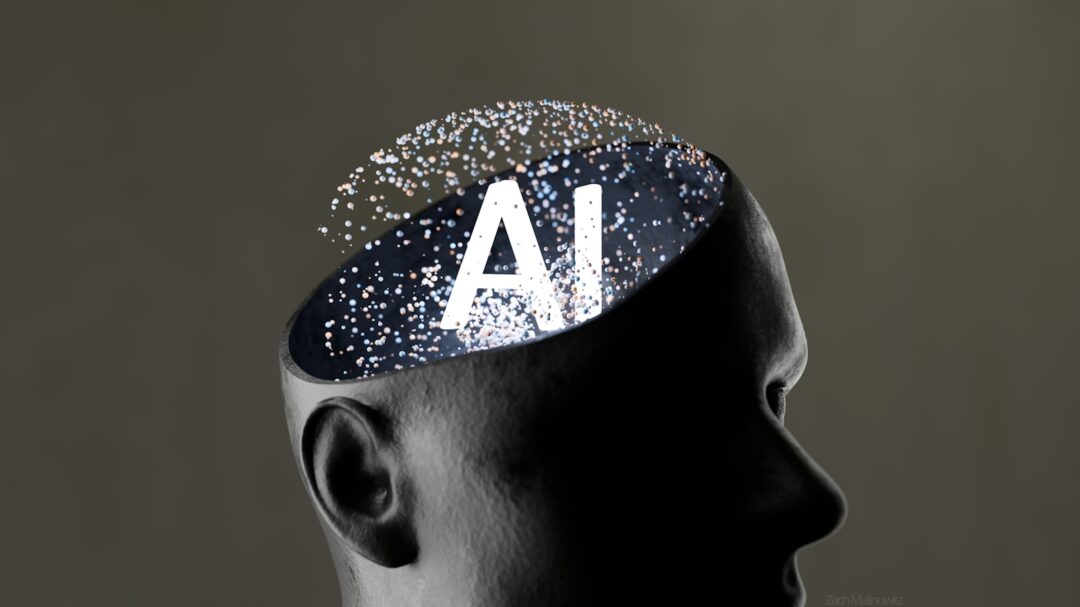
Artificial Intelligence (AI) continues to grow quickly and become a big part of our daily lives.
Because of this progress, many people are asking if governments should begin creating laws to control and manage AI. If leaders wait too long, the lack of rules could become dangerous, like a ticking time bomb.
In a recent article published Monday, United Kingdom (UK) Foreign Secretary Yvette Cooper warned that governments need to act fast against AI use.
Cooper encouraged countries around the world to work together and create rules for AI before it becomes too powerful to control
The Secretary shared how her visit last month in Shenzhen, China enabled her to see how advanced AI and robotics have become.
However, these technologies, which are being used in healthcare to save lives, could also be used in harmful ways.
As technologies are reshaping the future of warfare, crime and social cohesions – which raises serious concerns on security.
A Challenge for the Future
Cooper said that managing the risks of AI could be one of the biggest challenges in the next decade. She believes that governments and international groups need to cooperate to handle these risks.
In comparison, the current global competition to develop AI systems mirrors how the government in the past ignored the advancement of atomic weapons, early enough until serious damage had already been done, such as the bombing of Hiroshima.
The UK Foreign secretary Yvette Cooper then raises the urgency to her motherland and encourages the authorities to use its influence to bring together powerful countries like the United States and China.
In the 2023 AI Safety Summit, where 29 leaders around different countries and European union met to discuss the rising risk of AI, the established goal is clear: create shared safety rules for AI.
Rising Cybersecurity Threats
Regulatory response to rapid improvements in the AI scene has become a growing global issue.
In May, UK AI security experts warned that AI is becoming more capable of cybersecurity.
For example, recent AI models like the GPT-5.5 have shown the ability to perform simulated cyberattacks, like Claude Fable 5 and Mythos 5, that are restricted before the lifting order was imposed in July.
These innovations highlight the advancement of technology worldwide but provide space for security concern as its accessibility also introduces misuse and malicious intent risks.
The International Monetary Fund also warned that AI could increase cyberattacks on the global financial system. They advised governments to treat cybersecurity as seriously as financial stability.
In the United States, actions have already been taken. In June, President Donald Trump signed an order to review advanced AI systems before they are released.
The order also focused on improving cybersecurity and checking possible risks to national security. At the same time, Anthropic CEO Dario Amodei called for stricter rules, including required testing of advanced AI systems by independent groups and stronger safety standards.
These concerns go way back when the national security restricts Claude Fable 5 and Mythos 5 due to national security concerns.


