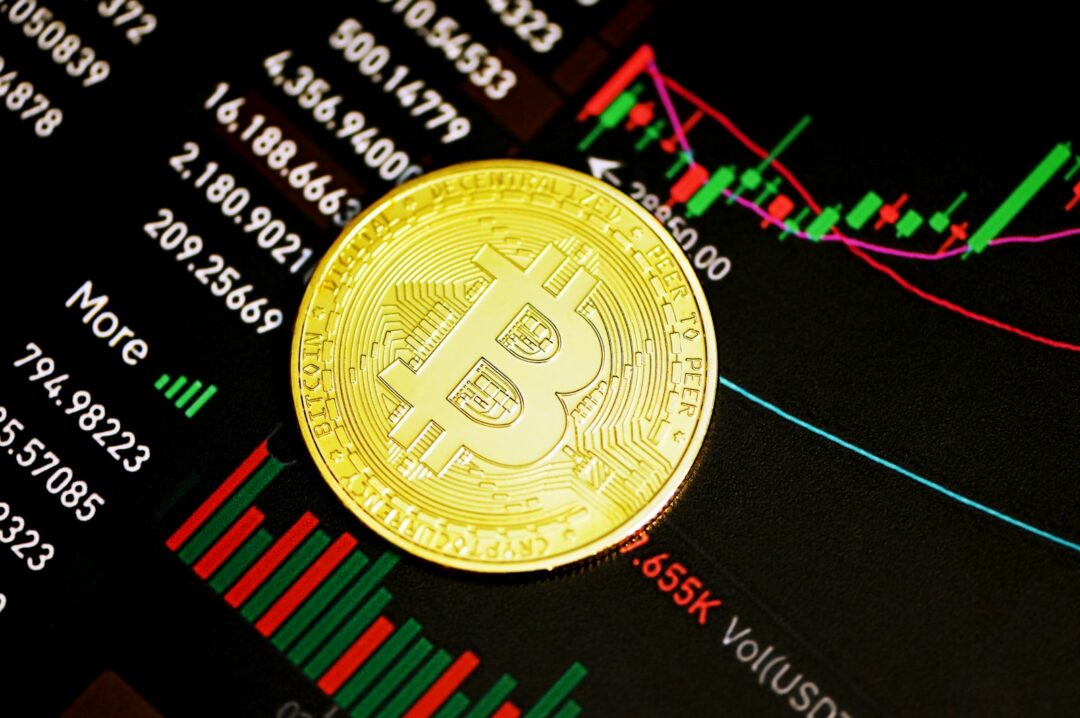
Coinbase has revealed that several Middle Eastern sovereign wealth funds have taken advantage of Bitcoin’s late‑May downturn to accumulate positions, marking a significant milestone in the global institutional adoption of crypto. These funds, representing some of the largest pools of capital in the world, signaling that Bitcoin is no longer just a speculative asset but a strategic reserve in their diversification strategies.
The Dip and the Opportunity
Bitcoin’s price fell below $65,000 in late May 2026, pressured by a stronger U.S. dollar, hawkish Federal Reserve signals, and profit‑taking from institutional investors. While retail sentiment cooled, sovereign wealth funds from Saudi Arabia, the United Arab Emirates, and Qatar saw the decline as a buying opportunity. Coinbase’s institutional desk facilitated these purchases, underscoring its role as the bridge between traditional finance and digital assets.
These acquisitions were not short‑term trades but deliberate, strategic allocations. The funds reportedly timed their entries to coincide with Bitcoin’s weakness, reflecting a disciplined approach to accumulation rather than chasing rallies.
Why Middle Eastern Funds Are Turning to Bitcoin
Sovereign wealth funds in the Middle East collectively manage trillions of dollars, much of it derived from oil revenues. For decades, they have diversified into equities, infrastructure, and technology. Bitcoin now fits squarely into this diversification strategy.
For these funds, Bitcoin offers a hedge against dollar volatility, a potential reserve asset in a multipolar financial system, and a way to align with global innovation trends. The GENIUS Act in the U.S., which legitimized stablecoins and reserve‑backed digital assets, has further encouraged sovereign investors to treat crypto as part of mainstream finance.
The Middle East’s embrace of Bitcoin also reflects a broader ambition to position itself as a hub for financial innovation. Dubai and Abu Dhabi have already established crypto‑friendly regulatory frameworks, and sovereign wealth funds are extending this strategy by directly accumulating digital assets.
Coinbase’s Institutional Role
Coinbase has become the preferred partner for institutions seeking crypto exposure. Its custody solutions, compliance frameworks, and trading infrastructure make it a trusted gateway for sovereign wealth funds. By facilitating these purchases, Coinbase strengthens its reputation as the institutional bridge to crypto markets.
The company emphasized that these transactions were strategic allocations, not speculative trades. The funds involved are reportedly exploring long‑term custody arrangements and potential partnerships with Coinbase to expand their digital asset strategies.
Market Implications
The entry of Middle Eastern sovereign wealth funds into Bitcoin has profound implications. It signals that global capital is increasingly comfortable with crypto, even amid volatility. It suggests that Bitcoin is being viewed as a reserve asset, akin to gold, rather than merely a speculative instrument. And it highlights the geographic diversification of crypto adoption, with the Middle East joining the U.S. and Asia as major institutional players.
For retail investors, the message is clear: while short‑term volatility may shake confidence, long‑term capital is accumulating. This dynamic could provide a floor for Bitcoin’s price, as sovereign funds are unlikely to sell quickly.
Geopolitical Significance
The purchases also carry geopolitical weight. Middle Eastern economies are seeking to reduce reliance on the dollar and diversify reserves. By buying Bitcoin, sovereign wealth funds are signaling interest in alternative stores of value that are not tied to U.S. monetary policy.
This aligns with broader global trends. Countries from Russia to Brazil have explored ways to reduce dollar dependence, and Bitcoin offers a decentralized option. The Middle East’s embrace of crypto could accelerate this shift, particularly if sovereign funds continue to accumulate during market dips.
Long‑Term Strategy
These acquisitions are part of a broader long‑term strategy. Sovereign wealth funds are not chasing short‑term gains but positioning themselves for the future of finance. Bitcoin’s volatility is acknowledged, but its scarcity and growing institutional acceptance make it attractive as a reserve asset.
By buying during dips, these funds demonstrate confidence in Bitcoin’s long‑term trajectory. Their involvement could also encourage other institutional investors to follow suit, reinforcing Bitcoin’s role in global portfolios.
Final Thought
Coinbase’s confirmation that Middle Eastern sovereign wealth funds bought the Bitcoin dip marks a milestone in crypto adoption. It reflects a strategic, long‑term view of digital assets by some of the world’s most powerful investors. For the crypto industry, it is a reminder that while retail sentiment ebbs and flows, institutional capital is quietly reshaping the market’s foundation.
Bitcoin’s volatility remains, but its role as a reserve asset is strengthening. With sovereign wealth funds now in the mix, the next phase of crypto adoption may be defined not by retail speculation but by global capital flows seeking stability in a digital age.