
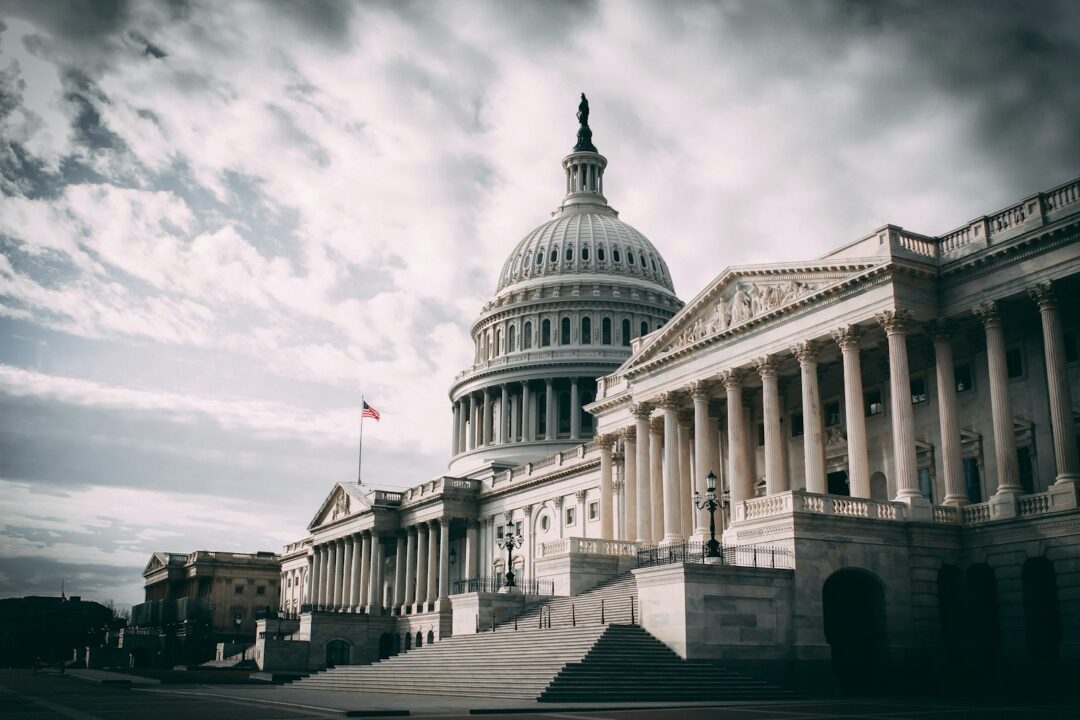
The chairman of the Senate Banking Committee, U.S Senator Tim Scott, stated that the panel is scheduled to have an executive meeting on May 14, 2026, at 10:30 a.m. at the Dirksen Senate Office Building in Washington, D.C. The executive meeting will focus on discussing the long-delayed Clarity Bill, a bill projected to resolve regulatory issues between the cryptocurrency industry and U.S. banks.
The cryptocurrency market has been lobbying for a clearer financial framework, debating that such bill is essential for digital assets in the U.S. The bill pursues a clear rule managing the relationship between cryptocurrency industry and traditional banking institutions.
Proposed Agreement Would Disable Rewards on Idle Stablecoins
Under the agreement led by Republican Senator Thom Tillis and Democratic Senator Angela Alsobrooks, customer rewards on idle holdings of dollar-pegged crypto tokens or stablecoins, would not be enabled due to their similarity with traditional bank deposits. Nonetheless, other stablecoins activities, including payments and transfers, would be allowed to be supported by traditional banking institutions.
Banks have also promoted a final push to gain support from some Republicans on the Senate Banking Committee. Banks are also looking for adjustments to the Clarity Bill to resolve the gaps and to enable yield stablecoins that may lead to a deposit outflow from insured banks, possibly undermining financial stability.
In comparison, crypto institutions debate that avoiding third parties, such as crypto exchanges, from paying interest on stablecoins would restrict competition in the banking industry.
Banks Expects Clarity Bill to Push to Law in Coming Months
The banking industry anticipates that the Clarity Bill will be enacted in the upcoming months prior to the midterm elections in November, in which Democrats could take control of the House of Representatives.
In July 2025, the House approved its version of the Clarity Act; however, the Senate’s approval on the bill is required before the bill can reach to President Trump by the end of 2026.
The bill was opposed by several congressional Democrats, debating that is too weak on anti-money laundering terms, and it should improve more to avoid political officials from earning from crypto business.
To fully enact the Clarity Bill, it requires strong support from at least seven (7) Democratic senators at full capacity.
Thus, according to Reuters, President Trump has formerly conveyed support for the crypto industry, placing himself as a crypto president, while his family’s engagement in crypto business has been a key driver in the crypto market.


