
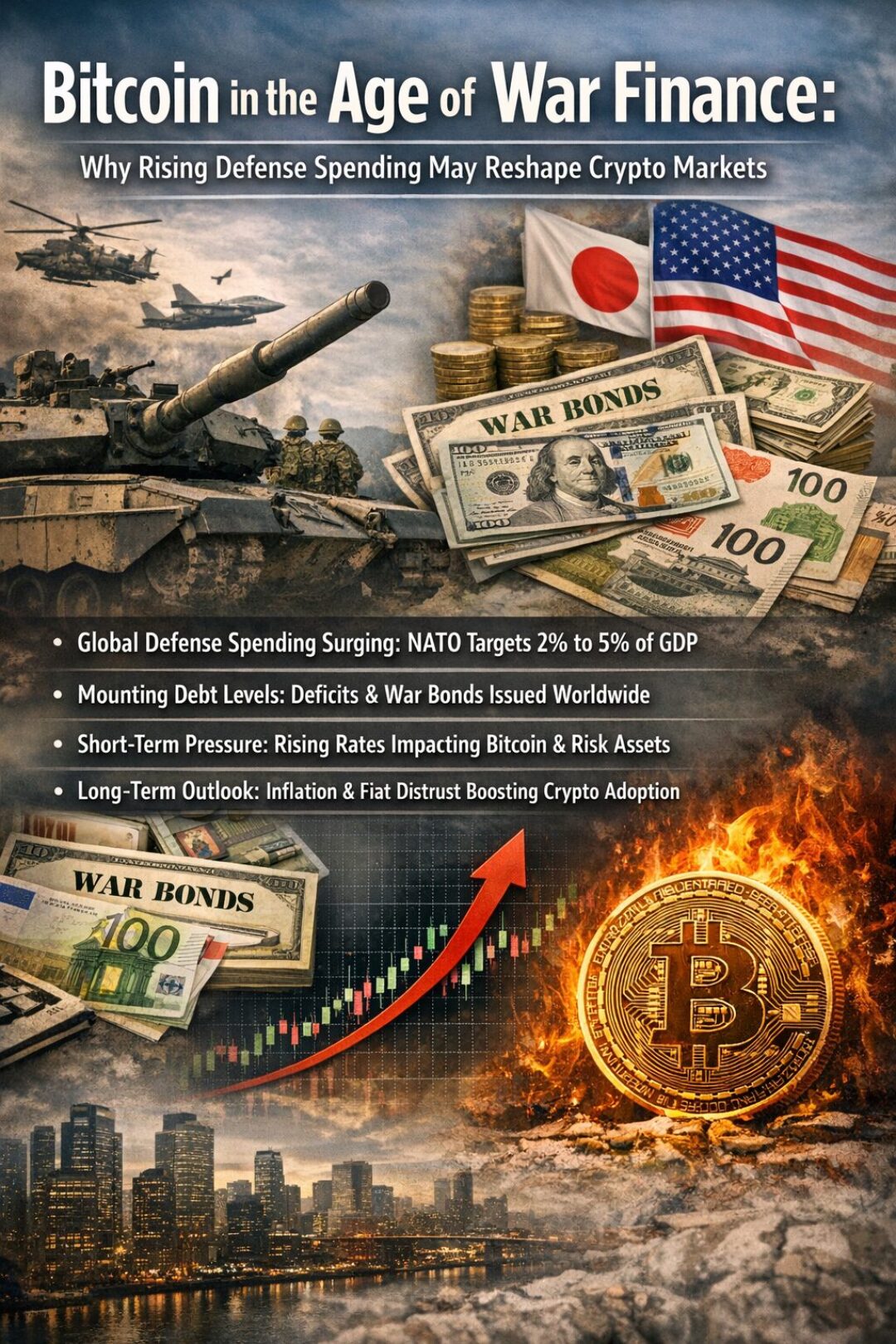
Key Points :
- Global defense spending is rapidly increasing, led by NATO’s shift toward a 5% GDP target
- Governments are financing military expansion through rising deficits and sovereign debt issuance
- The IMF warns of long-term fiscal instability driven by “war bond”-like dynamics
- Short-term: higher interest rates pressure Bitcoin and risk assets
- Long-term: Bitcoin’s fixed supply strengthens its role as an inflation hedge
- Institutional and sovereign interest in crypto is quietly accelerating
1. A New Global Reality: Defense Spending Surge

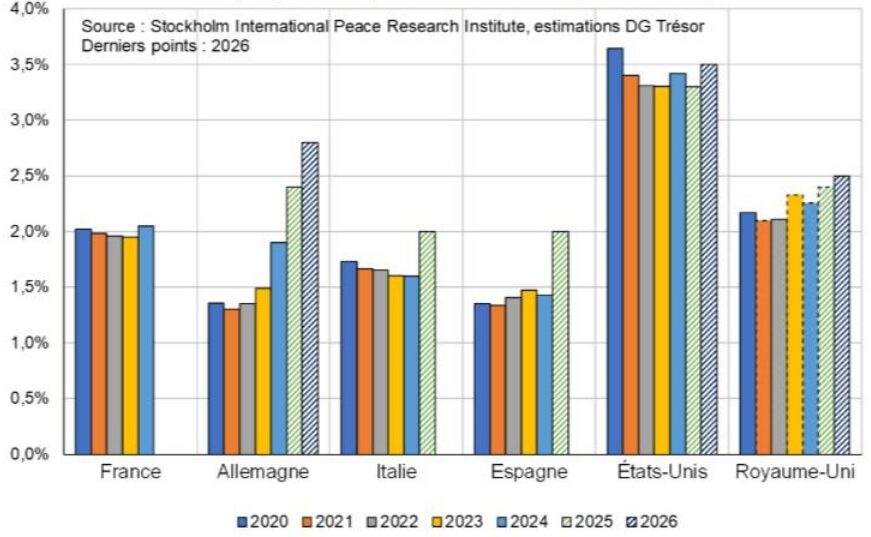
The world is entering a new macroeconomic regime shaped by escalating geopolitical tensions and a dramatic surge in military expenditures. In a landmark decision, the NATO agreed to raise its defense spending benchmark from 2% to 5% of GDP by 2025—an unprecedented shift that signals a structural transformation in global fiscal priorities.
Under renewed pressure from the United States—particularly following policy direction associated with Donald Trump—allied nations including Japan and European economies are being forced into difficult fiscal trade-offs. These countries must balance national security imperatives against already strained public finances.
This shift is not temporary. It represents the beginning of a sustained period where military readiness becomes a dominant driver of government spending.
2. IMF Insights: The Economics of “War Bonds”
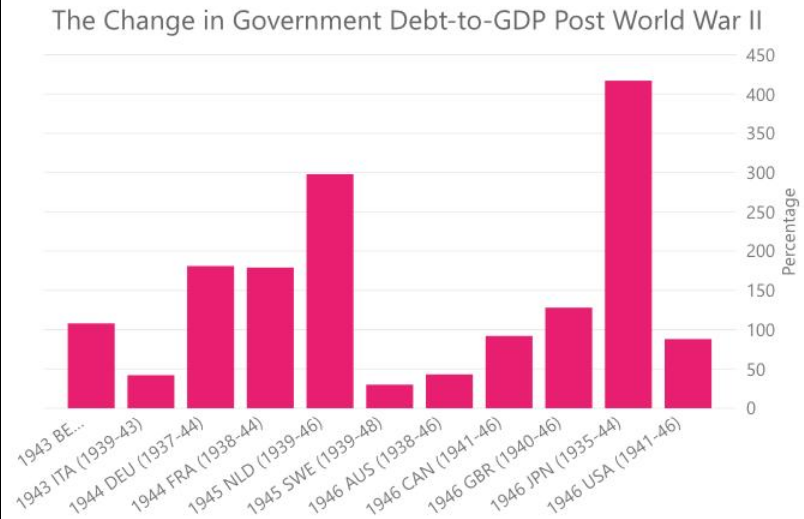
According to the International Monetary Fund in its April 2026 World Economic Outlook, historical analysis across 164 countries since World War II reveals a consistent pattern:
- Defense spending surges by ~2.7 percentage points of GDP over three years
- Approximately two-thirds of this increase is financed through fiscal deficits
- Public debt rises by ~7 percentage points (or up to ~14 points during wartime peaks)
The implications are profound. While deficit spending can temporarily stimulate economic growth, it introduces medium-term instability. Governments become increasingly reliant on debt issuance—effectively reviving the concept of “war bonds” in modern financial systems.
For countries with limited fiscal flexibility, this trend is particularly dangerous. It risks triggering sovereign debt stress, currency devaluation, and reduced investor confidence.
3. Europe’s Fiscal Strain and Political Fractures
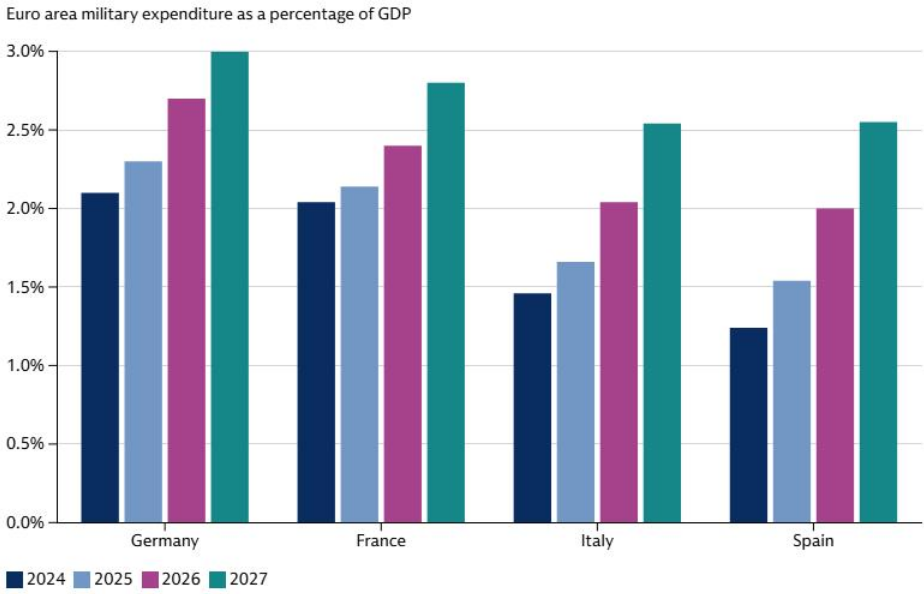
Europe is already experiencing the consequences of this shift.
Germany has relaxed long-standing fiscal constraints to enable large-scale investments in defense and infrastructure. France is attempting to increase military spending while cutting social benefits, triggering political backlash. In the United Kingdom, internal divisions within the ruling party have complicated efforts to pass budgets balancing welfare reductions with defense increases.
These developments highlight a key tension: defense spending is politically non-negotiable in the current climate, but its financing mechanisms are deeply contentious.
The result is a growing reliance on sovereign bond issuance—further reinforcing the “war bond” era.
4. Short-Term Impact on Crypto Markets: A Risk Asset Under Pressure
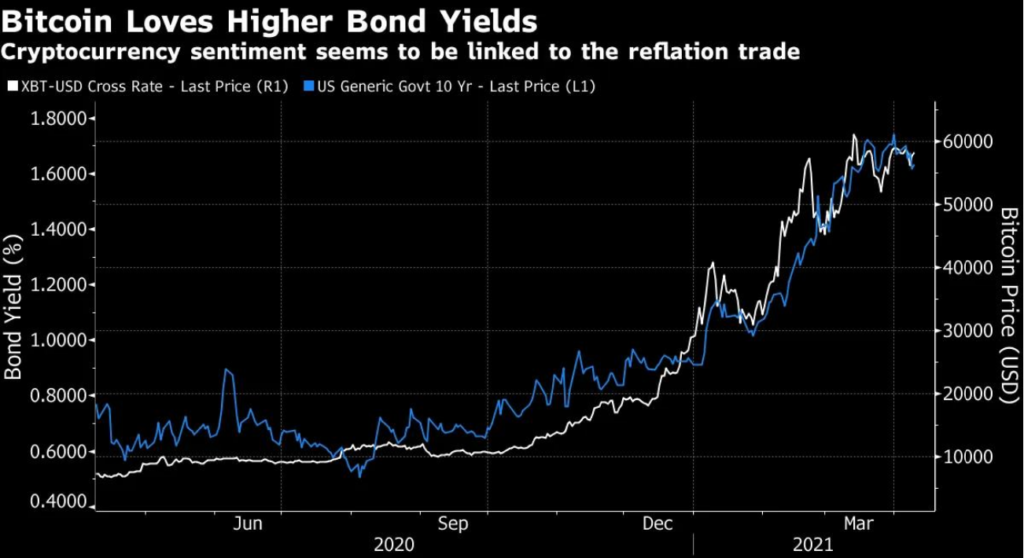
In the short term, rising defense spending has indirect but significant consequences for cryptocurrency markets.
As governments issue more debt, interest rates tend to rise to attract buyers. Higher yields on government bonds make them more attractive relative to riskier assets such as equities and cryptocurrencies.
This dynamic was evident in February 2026, when speculation around leadership changes at the Federal Reserve triggered fears of prolonged high interest rates. Bitcoin experienced a sharp decline as liquidity conditions tightened.
If defense-driven fiscal expansion continues to limit central banks’ ability to cut rates, risk assets—including Bitcoin—may face sustained headwinds in the near term.
5. Long-Term Outlook: Bitcoin as Digital Gold in a Debt-Heavy World
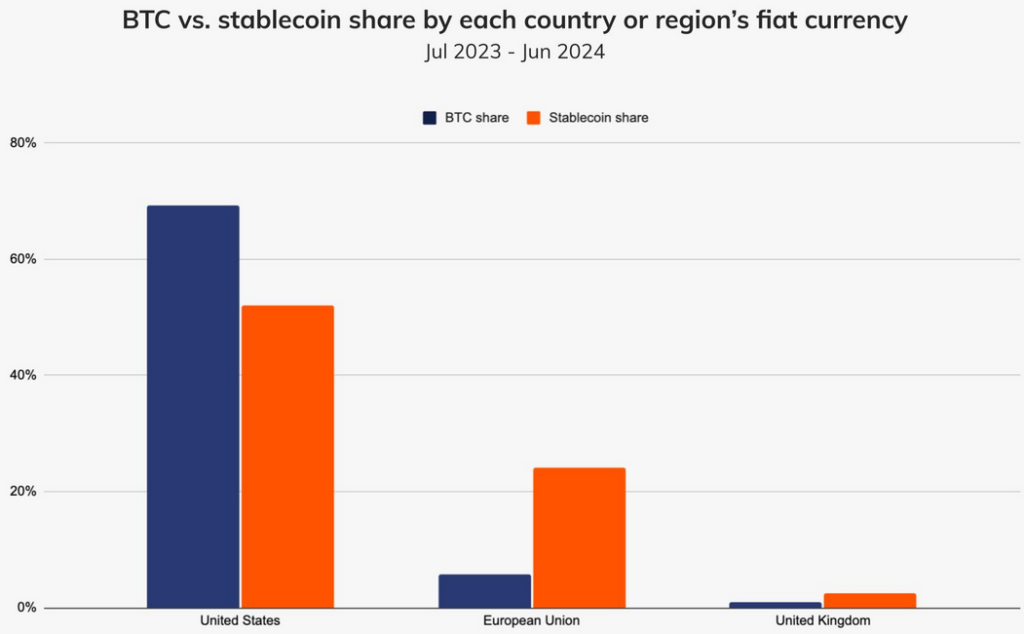
While short-term pressures exist, the long-term outlook tells a very different story.
As global debt levels rise and money supply expands, scarce assets become increasingly attractive. Bitcoin, with its fixed supply of 21 million coins, stands in stark contrast to fiat currencies that can be expanded at will.
This dynamic mirrors historical patterns where gold served as a hedge against inflation and currency debasement. Today, Bitcoin is increasingly viewed as a digital equivalent.
Key drivers of long-term Bitcoin demand include:
- Persistent expansion of global money supply
- Declining trust in fiat currencies due to fiscal deterioration
- Increased institutional and sovereign interest in alternative reserves
- Growing integration of Bitcoin into financial infrastructure
As Japan and Europe accelerate fiscal spending, global liquidity conditions may ultimately favor assets with hard supply constraints.
6. Beyond Bitcoin: Broader Implications for Web3 and Digital Assets
The implications extend beyond Bitcoin itself.
A world characterized by rising sovereign debt and declining fiscal stability may accelerate the adoption of decentralized financial systems. Web3 technologies offer an alternative paradigm—one that operates independently of centralized monetary authorities.
This could lead to:
- Increased demand for decentralized finance (DeFi) platforms
- Greater use of stablecoins for cross-border transactions
- Expansion of tokenized real-world assets (RWAs)
- Development of sovereign-independent financial networks
For investors and builders, this represents a critical inflection point. The convergence of macroeconomic instability and technological innovation is creating new opportunities for value creation.
7. Global Defense Spending vs Bitcoin Narrative Shift
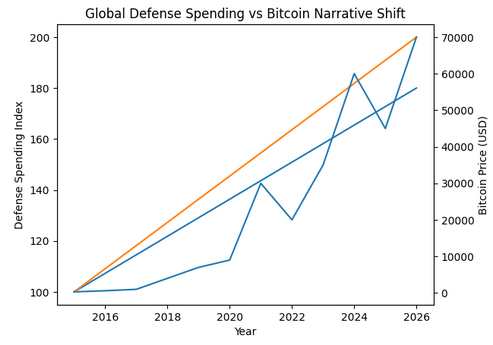
(Generated visualization: A dual-axis chart showing global defense spending growth vs Bitcoin price trend and money supply expansion)
8. Debt Expansion vs Scarce Asset Performance
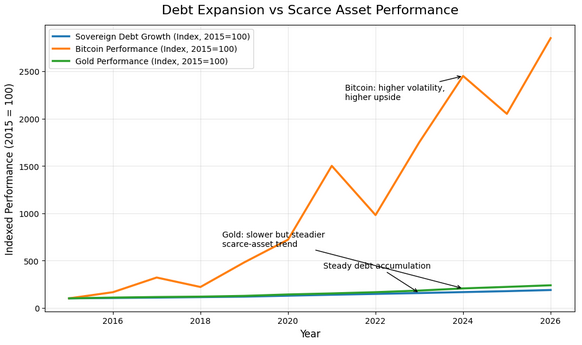
(Generated visualization: Comparative chart of sovereign debt growth vs Bitcoin and gold performance over time)
Conclusion: Navigating the War Bond Era with Digital Scarcity
The resurgence of defense-driven fiscal expansion marks the beginning of a new economic era—one defined by rising debt, political trade-offs, and shifting monetary dynamics.
In the short term, Bitcoin may struggle against tightening liquidity and higher interest rates. But in the long term, the very forces driving fiscal instability are strengthening Bitcoin’s core value proposition.
As the world enters what could be described as a modern “war bond” era, investors are increasingly confronted with a fundamental question:
Can fiat systems sustain endless expansion, or will scarce digital assets redefine the future of value?
Bitcoin is no longer just a speculative asset. It is becoming a macroeconomic instrument—a hedge against the structural imbalances of a rapidly changing world.


