Main Points :
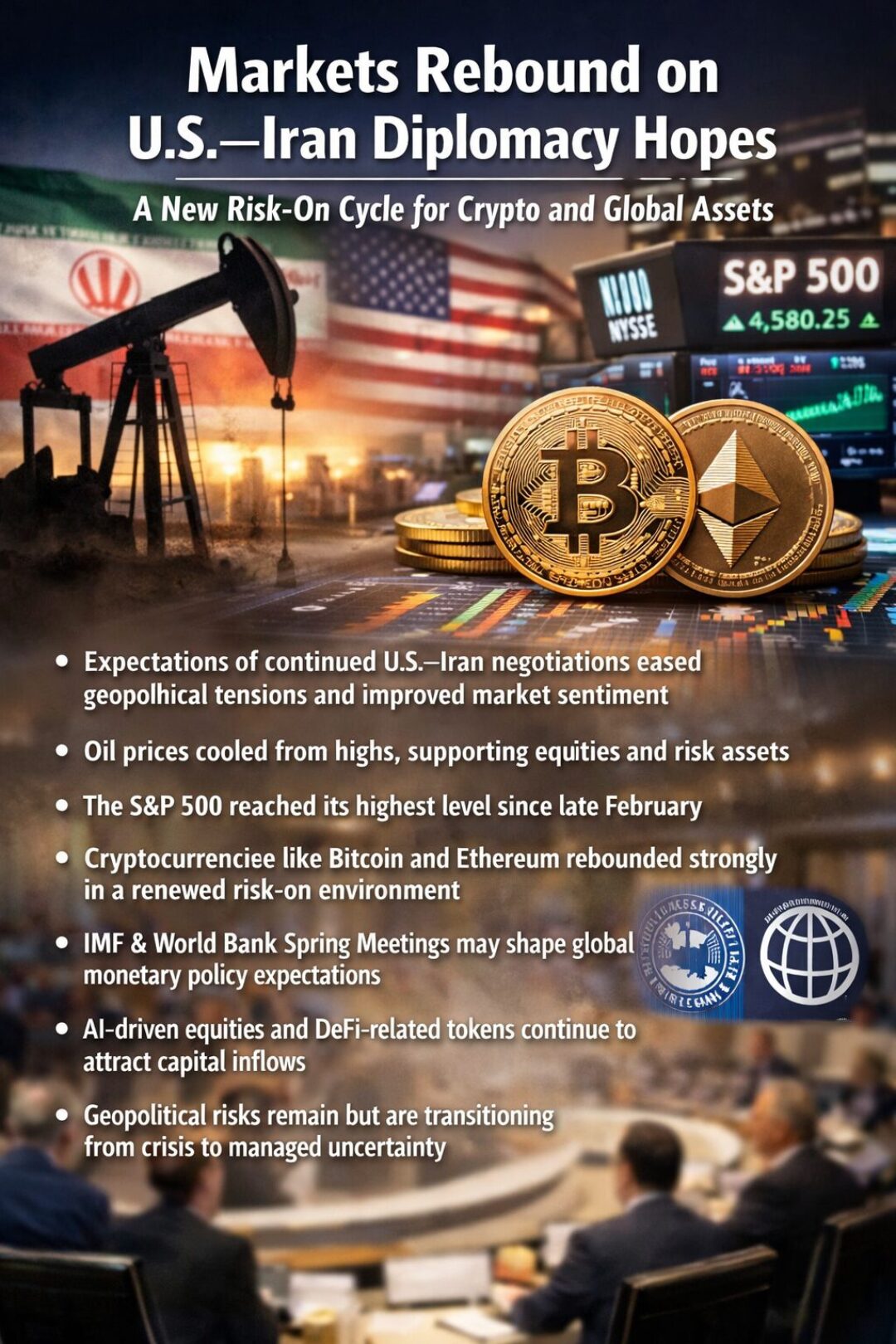
- Expectations of continued U.S.–Iran negotiations eased geopolitical tensions and improved market sentiment
- Oil prices cooled from highs, supporting equities and risk assets
- The S&P 500 reached its highest level since late February
- Cryptocurrencies like Bitcoin and Ethereum rebounded strongly in a renewed risk-on environment
- The International Monetary Fund and World Bank Spring Meetings may shape global monetary policy expectations
- AI-driven equities and DeFi-related tokens continue to attract capital inflows
- Geopolitical risks remain but are transitioning from crisis to managed uncertainty
1. Geopolitical Relief Drives Market Rebound
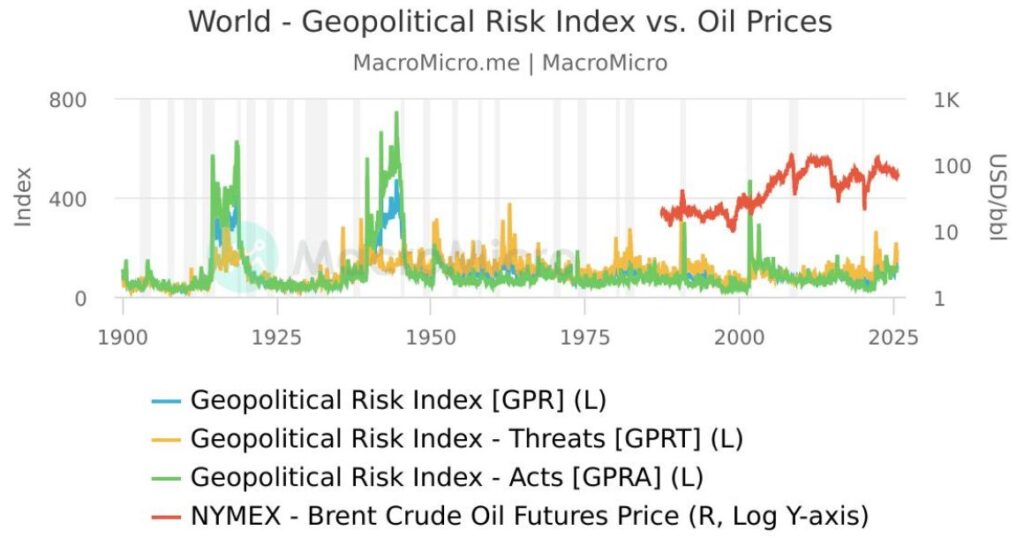
The global financial markets staged a notable rebound on April 14, 2026, driven primarily by renewed optimism surrounding ongoing diplomatic engagement between the United States and Iran. Although ceasefire discussions had temporarily collapsed over the weekend, subsequent reports indicated that Iranian officials had reinitiated contact with the U.S. administration. Statements from Donald Trump further reinforced the perception that negotiations had not fully broken down.
This shift in narrative significantly improved investor sentiment. The immediate effect was a decline in crude oil prices, particularly West Texas Intermediate, which had previously surged amid fears of supply disruption in the Strait of Hormuz. As the probability of worst-case scenarios—such as a prolonged blockade—declined, markets recalibrated toward a more balanced risk outlook.
Equity markets responded quickly. The S&P 500 closed firmly in positive territory, led by gains in technology and financial sectors. This rebound reflects what analysts describe as a “self-corrective” market dynamic, where excessive risk pricing is unwound once uncertainty begins to stabilize.
Importantly, while geopolitical tensions have not disappeared, the market is transitioning from panic-driven pricing toward scenario-based risk assessment. This distinction is critical for investors, particularly in volatile asset classes like cryptocurrencies.
2. Asset Performance Overview: A Coordinated Risk-On Move
The rebound in market sentiment was reflected across multiple asset classes:
Equities
- The S&P 500 reached approximately $6,886, marking its highest level since February
- Japan’s Nikkei 225 surged to around $380 (converted from ¥57,940), supported by semiconductor and AI-related buying
Commodities
- Gold stabilized near $4,768, balancing safe-haven demand with reduced geopolitical urgency
- West Texas Intermediate cooled to around $97.50 after recent highs
Cryptocurrencies
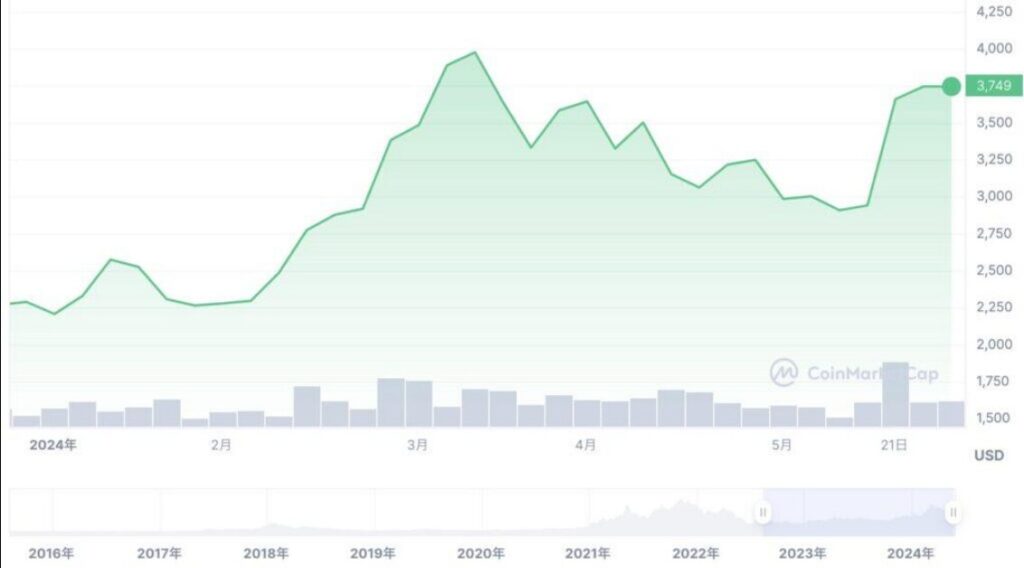
- Bitcoin rose to $74,318, signaling renewed investor appetite for risk
- Ethereum climbed to $2,370, following broader market momentum
- Solana and XRP showed steady gains
- Hyperliquid benefited from increased DeFi activity
This synchronized movement across asset classes highlights a classic “risk-on” rotation, where capital flows out of defensive assets and into growth-oriented sectors.
For crypto investors, this environment is particularly favorable. Unlike equities, cryptocurrencies often amplify macro-driven momentum due to their liquidity structure and speculative nature.
3. IMF & World Bank Meetings: The Next Macro Catalyst
The ongoing Spring Meetings hosted by the International Monetary Fund and World Bank represent the next critical macroeconomic driver.
Running through April 18, these meetings bring together central bankers, finance ministers, and policymakers from major economies. Key areas of focus include:
- Updated global growth forecasts
- Inflation trajectory and monetary tightening cycles
- Signals on potential U.S. rate cuts
- Policy coordination among developed economies
Recent commentary suggests that expectations for Federal Reserve rate cuts later in 2026 remain intact. This is a crucial factor for both equities and cryptocurrencies. Lower interest rates typically increase liquidity, reduce borrowing costs, and drive capital into higher-yielding assets.
Meanwhile, comments from Kazuo Ueda regarding Middle East risks have tempered expectations of imminent rate hikes in Japan, limiting upward pressure on the yen.
For crypto markets, macro liquidity conditions often outweigh sector-specific developments. As such, any dovish signals from the IMF meetings could further accelerate the current rally.
4. Crypto Market Implications: Beyond Speculation
While the immediate reaction in crypto markets appears momentum-driven, the underlying structural trends are increasingly significant for long-term investors.
Institutional Integration
Major financial institutions continue to expand their exposure to digital assets, particularly through ETFs and custody solutions. This trend is gradually reducing volatility while increasing capital inflows.
DeFi Growth
Tokens like Hyperliquid highlight the growing importance of decentralized finance infrastructure. As on-chain trading volumes increase, platforms offering liquidity and derivatives are capturing significant value.
Stablecoin Expansion
Stablecoins are emerging as a critical bridge between traditional finance and blockchain ecosystems. Their use in cross-border payments, remittances, and settlement systems is accelerating adoption.
AI and Blockchain Convergence
AI-driven demand is not limited to equities. Blockchain projects integrating AI capabilities are attracting attention as the next frontier of innovation.
For readers seeking new revenue opportunities, the key takeaway is that crypto is evolving from a speculative asset class into a foundational layer of financial infrastructure.
5. Japan Market Outlook: AI as a Structural Theme
Japan’s equity market is also benefiting from the global shift toward risk assets. The Nikkei 225 is expected to open higher, supported by:
- Strong performance in U.S. equities
- Continued demand for semiconductor stocks
- Increasing capital allocation toward AI-related sectors
Despite lingering geopolitical risks, AI remains a dominant long-term investment theme. Unlike cyclical sectors, AI-driven growth is supported by structural demand across industries, including finance, healthcare, and manufacturing.
This has important implications for crypto investors as well. Many blockchain projects are positioning themselves at the intersection of AI and decentralized infrastructure, creating new avenues for value creation.
6. Strategic Outlook: From Crisis to Opportunity
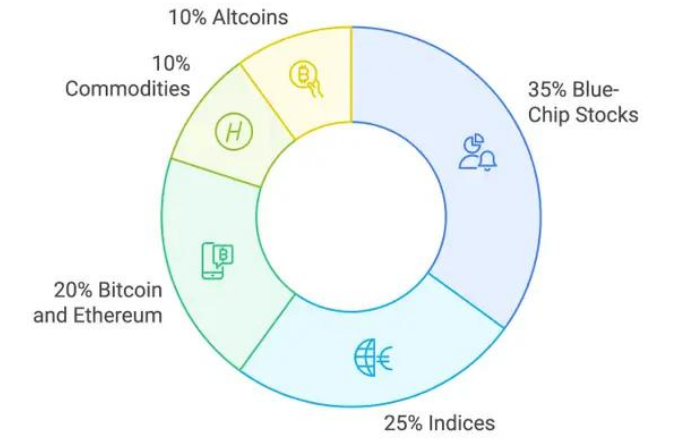
The current market environment represents a transition phase—from crisis-driven volatility to opportunity-driven allocation.
Key strategic considerations include:
- Monitoring geopolitical developments without overreacting to short-term noise
- Positioning for potential monetary easing cycles
- Identifying sectors with structural growth, such as AI and DeFi
- Diversifying across asset classes to capture asymmetric returns
For crypto-focused investors, this is a particularly critical moment. As macro conditions improve, capital tends to flow disproportionately into high-beta assets like cryptocurrencies.
Conclusion: A Fragile but Promising Recovery
The rebound triggered by renewed U.S.–Iran diplomatic engagement highlights the sensitivity of global markets to geopolitical developments. However, the broader trend suggests a gradual normalization of risk perception rather than a return to crisis conditions.
For investors, the implications are clear: while volatility remains, the foundation for a sustained risk-on environment is being established. Combined with supportive macro policies and structural innovation in blockchain technology, this creates a compelling landscape for those seeking new assets and income opportunities.