
Main Points :
- Digital asset investment products recorded $1.1 billion in net inflows last week
- Bitcoin ETFs dominated, accounting for the majority of capital inflows
- The United States contributed ~95% of total inflows
- Macro conditions (cooling inflation, geopolitical easing) boosted risk appetite
- Short Bitcoin products also saw notable inflows, indicating hedging strategies
- Ethereum sentiment is improving, but still net negative year-to-date
- Institutional competition intensifies with new low-fee ETF launches
Introduction: A Turning Point for Institutional Crypto Capital
Last week marked a decisive moment in the evolution of institutional participation in digital assets. According to a report from CoinShares, digital asset investment products—including ETFs—recorded a net inflow of approximately $1.1 billion, the largest weekly inflow since early January 2026.
This surge was not just a temporary spike but rather a reflection of shifting macroeconomic sentiment, geopolitical stabilization, and increasing institutional confidence in crypto as a legitimate asset class. Bitcoin once again stood at the center of this movement, reinforcing its role as the primary gateway for institutional capital entering the crypto ecosystem.
Macro Catalysts: Why Capital Is Flowing Back into Crypto
The resurgence in inflows can largely be attributed to improving macroeconomic conditions. Two key developments played a crucial role:
- Easing geopolitical tensions between the United States and Iran
- Softer-than-expected inflation data, particularly the U.S. Consumer Price Index (CPI)
These factors contributed to a broader “risk-on” environment, where investors shifted capital back into higher-risk, higher-reward assets—including cryptocurrencies.
Institutional investors, who had been cautious amid global uncertainty, are now reallocating funds toward digital assets, viewing them as both speculative opportunities and long-term hedges against monetary instability.
Weekly Digital Asset Fund Flows
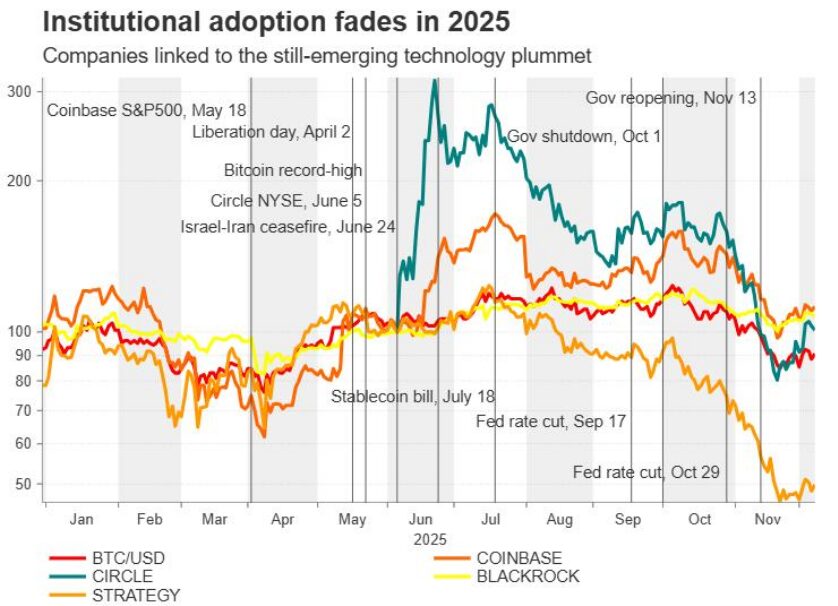
Illustrates the recent surge in weekly inflows, highlighting the sharp rebound compared to prior weeks.
Bitcoin Dominance: The Institutional Entry Point
Bitcoin investment products captured the overwhelming majority of inflows, reaffirming Bitcoin’s status as the cornerstone of institutional crypto exposure.
Several factors explain this dominance:
- Regulatory Clarity – Bitcoin enjoys relatively clearer regulatory treatment compared to altcoins
- Liquidity Depth – It offers the highest liquidity among digital assets
- ETF Accessibility – Spot Bitcoin ETFs provide a familiar investment vehicle for traditional finance players
Notably, the launch of new Bitcoin ETFs—such as Morgan Stanley’s MSBT—has intensified competition by offering lower fees, further attracting institutional investors.
This trend signals a maturing market where cost efficiency and product structure are becoming key differentiators.
Asset-Level Inflows
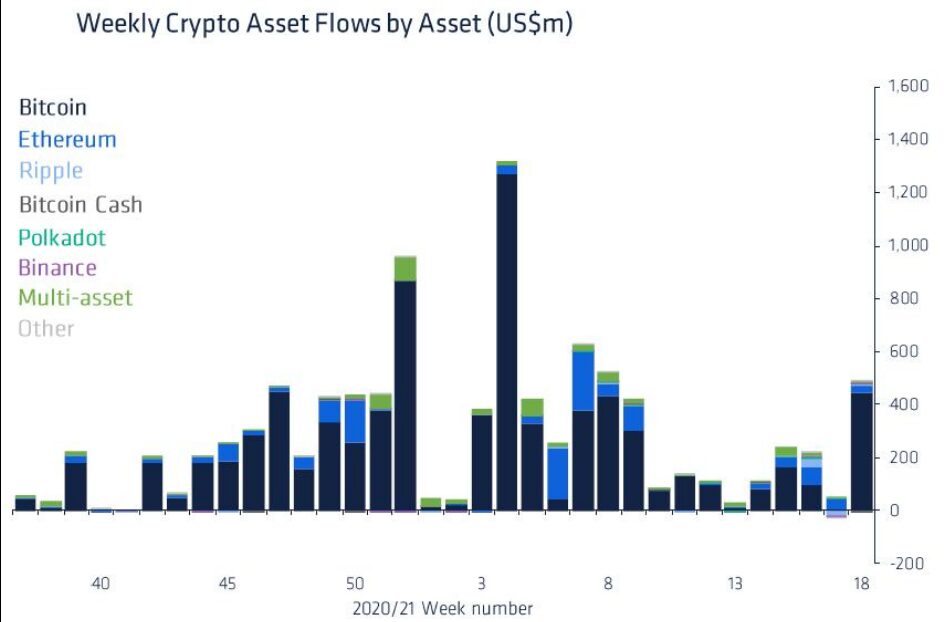
Shows Bitcoin’s overwhelming share of inflows compared to other digital assets.
The Rise of Hedging: Short Bitcoin Products Gain Attention
Interestingly, while Bitcoin saw strong inflows, short Bitcoin investment products also recorded their largest inflows since November 2024.
This indicates a more sophisticated market dynamic:
- Institutional players are not simply “buying Bitcoin”
- They are actively managing risk through hedging strategies
This dual flow—into both long and short products—suggests that the market is transitioning from speculative enthusiasm to strategic capital allocation, a hallmark of mature financial markets.
Ethereum and Altcoins: Recovery in Progress
While Bitcoin leads, Ethereum is showing early signs of recovery.
- Market sentiment toward Ethereum has improved significantly
- However, Ethereum investment products remain the only category with net outflows year-to-date
This divergence presents a potential opportunity. Historically, capital flows into Bitcoin first before rotating into altcoins—a pattern often referred to as the “crypto capital rotation cycle.”
For investors seeking the next high-growth opportunity, monitoring Ethereum and other altcoins at this stage could be critical.
Geographical Concentration: The U.S. Drives 95% of Demand
One of the most striking insights from the report is the geographical concentration of inflows:
- Approximately 95% of total inflows originated from the United States
This underscores several important trends:
- The U.S. remains the dominant force in institutional crypto adoption
- Regulatory developments in the U.S. have global ripple effects
- Capital market infrastructure (ETFs, custodians, brokers) is most advanced in the U.S.
As more countries develop regulatory clarity and financial products, this concentration may gradually diversify. However, for now, the U.S. is clearly setting the pace.
Regional Distribution of Inflows
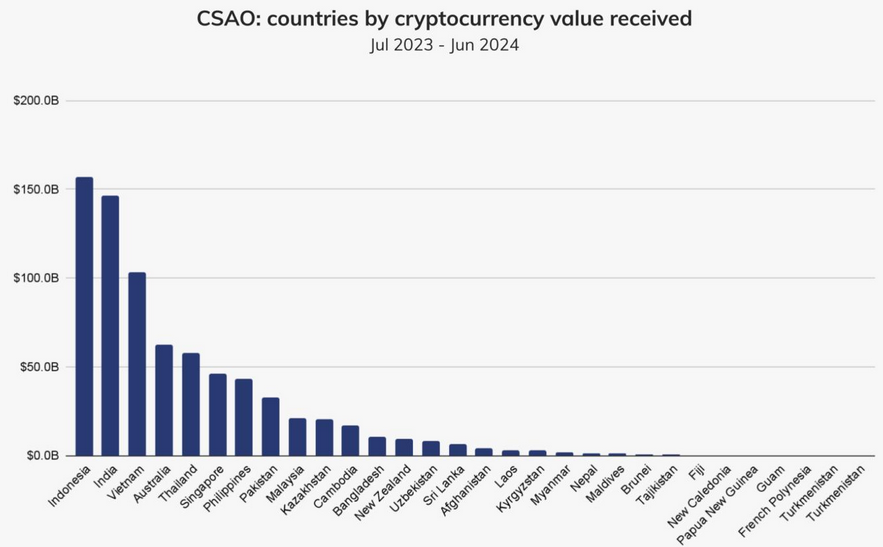
Highlights the overwhelming dominance of U.S.-based inflows.
Emerging Trends: What This Means for Investors and Builders
1. Institutional Infrastructure Is Expanding
The rapid growth of ETFs and structured products indicates that crypto is becoming deeply embedded in traditional financial systems.
For builders, this means:
- Opportunities to develop middleware, compliance tools, and liquidity solutions
- Increased demand for institutional-grade custody and reporting systems
2. Fee Compression Will Drive Competition
As seen with new ETF launches, fees are rapidly declining.
This trend will:
- Lower barriers to entry for investors
- Force platforms to differentiate through features and performance
For projects, this reinforces the importance of sustainable revenue models beyond trading fees, such as staking, lending, or yield generation.
3. Capital Rotation Is Likely Coming
With Bitcoin leading the inflow cycle, history suggests that:
- Capital may soon rotate into Ethereum and altcoins
- Early positioning in undervalued assets could offer outsized returns
Investors should monitor:
- Ethereum ETF developments
- Layer-1 and Layer-2 ecosystems
- Real-world asset (RWA) tokenization trends
4. Hedging and Derivatives Will Expand
The growth in short Bitcoin products indicates rising demand for:
- Risk management tools
- Advanced trading strategies
This opens opportunities in:
- Derivatives platforms
- On-chain options and futures
- Structured yield products
Conclusion: A New Phase of Crypto Market Maturity
The $1.1 billion inflow into digital asset investment products marks more than just a bullish signal—it represents a structural shift in how capital engages with the crypto market.
Bitcoin remains the primary entry point, but the ecosystem is evolving rapidly:
- Institutional players are becoming more sophisticated
- Financial products are becoming more competitive
- Capital flows are becoming more strategic
For investors, this environment offers both opportunity and complexity. The next phase will likely be defined not just by price movements, but by capital efficiency, product innovation, and real-world utility.
Those who understand these dynamics early will be best positioned to capture the next wave of growth in the digital asset economy.