
Key Points :
- The Ethereum Foundation has staked approximately $93.1 million worth of ETH in a single move.
- Total staked holdings are approaching 70,000 ETH (~$145M), nearly reaching its stated treasury target.
- This marks a strategic shift away from ETH sales toward yield-generating staking rewards.
- Staking income is expected to fund R&D, grants, and ecosystem growth, reducing reliance on asset liquidation.
- The move reflects a broader institutional trend toward on-chain yield strategies and treasury optimization.
Introduction: A Turning Point in Ethereum’s Treasury Strategy
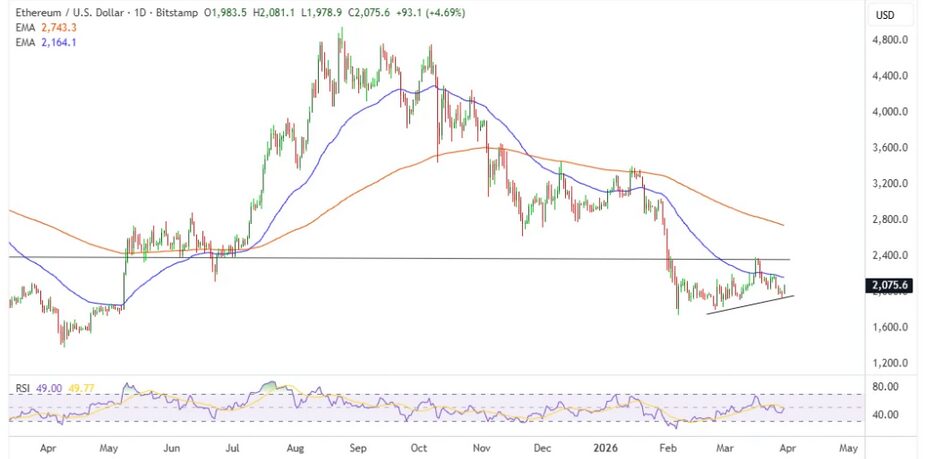
The Ethereum Foundation has taken a decisive step in reshaping how it manages its treasury, signaling a broader transformation in how crypto-native organizations think about capital efficiency. According to data from Arkham Intelligence, the Foundation staked approximately 45,034 ETH, equivalent to $93.1 million, on April 3, 2026.
This is not merely a routine allocation. It represents a fundamental shift from a historically criticized strategy—selling ETH to fund operations—toward a sustainable, yield-driven financial model. With total staked ETH now nearing 69,500 ETH (~$145M), the Foundation is on the verge of achieving its previously announced goal of staking 70,000 ETH.
ETH Staking Growth (Ethereum Foundation)
From Liquidation to Yield: A Strategic Pivot
Historically, the Ethereum Foundation relied on periodic ETH sales to finance its operations. Between 2024 and early 2025, this approach drew criticism from the community, as such sales were often perceived as contributing to downward price pressure.
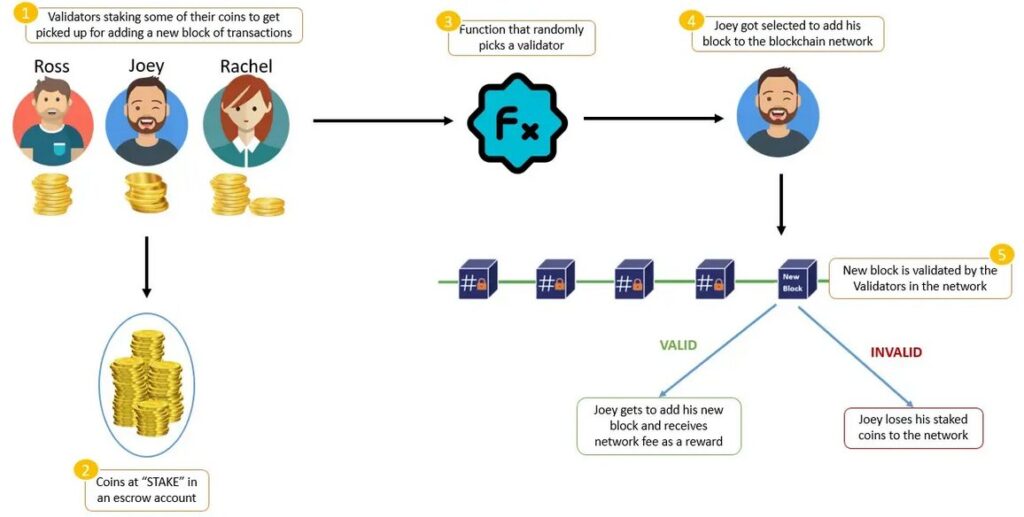
However, the Foundation’s latest actions suggest a deliberate move away from this model. By staking ETH into the ETH2 Beacon Chain, the organization is effectively converting dormant assets into yield-generating capital.
This transformation aligns Ethereum more closely with traditional finance principles, where treasury assets are expected to generate returns rather than remain idle. It also signals growing maturity in crypto financial management, where sustainability and predictability are increasingly prioritized.
ETH Staking Mechanism Overview
How the Staking Was Executed
The staking process itself was methodical and highly structured. The 45,034 ETH was divided into 22 separate deposits of 2,047 ETH each, with each tranche valued at approximately $4.23 million. These funds were transferred from the Foundation’s treasury multisig wallet to the official staking contract associated with Ethereum’s proof-of-stake system.
This structured approach reflects institutional-grade execution, minimizing operational risk while ensuring efficient validator onboarding.
The use of the ETH2 Beacon Chain ensures that these assets contribute directly to network security while simultaneously generating staking rewards.
Revenue Model Evolution: Staking as a Sustainable Income Source
The implications of this shift extend far beyond treasury management. By staking its ETH, the Ethereum Foundation is effectively creating a recurring revenue stream.
Staking rewards—typically ranging between 3% to 5% annually depending on network conditions—offer a predictable and scalable income source. This income is expected to be reinvested into:
- Core protocol research and development
- Developer grants
- Ecosystem expansion initiatives
- Infrastructure improvements
This model contrasts sharply with the previous reliance on asset liquidation, which introduced volatility and dependency on market timing.
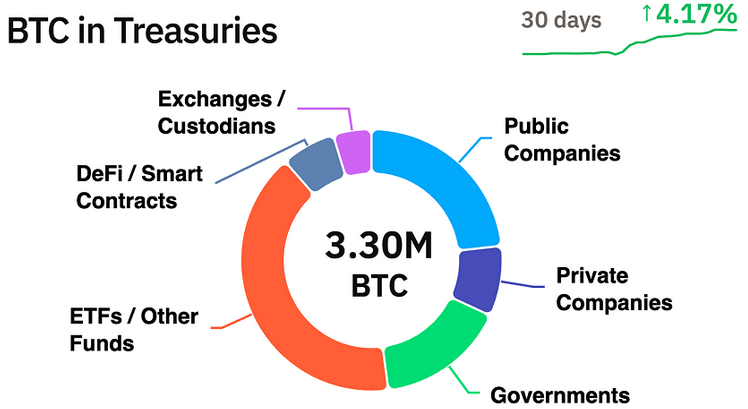
ETH Staking Yield vs ETH Selling Model
Institutional Trend: Crypto Treasuries Enter Yield Optimization Era
The Ethereum Foundation’s move is not occurring in isolation. Across the crypto industry, organizations are increasingly adopting yield optimization strategies.
Rather than holding large token reserves passively, institutions are now:
- Staking assets
- Providing liquidity
- Engaging in on-chain lending
- Exploring restaking and derivative yield strategies
This trend reflects a broader convergence between traditional finance and decentralized finance (DeFi), where capital efficiency becomes a key competitive advantage.
The Foundation’s decision could act as a signal to other large holders, including DAOs and crypto funds, to adopt similar strategies.
Market Implications: Reduced Sell Pressure and Price Stability
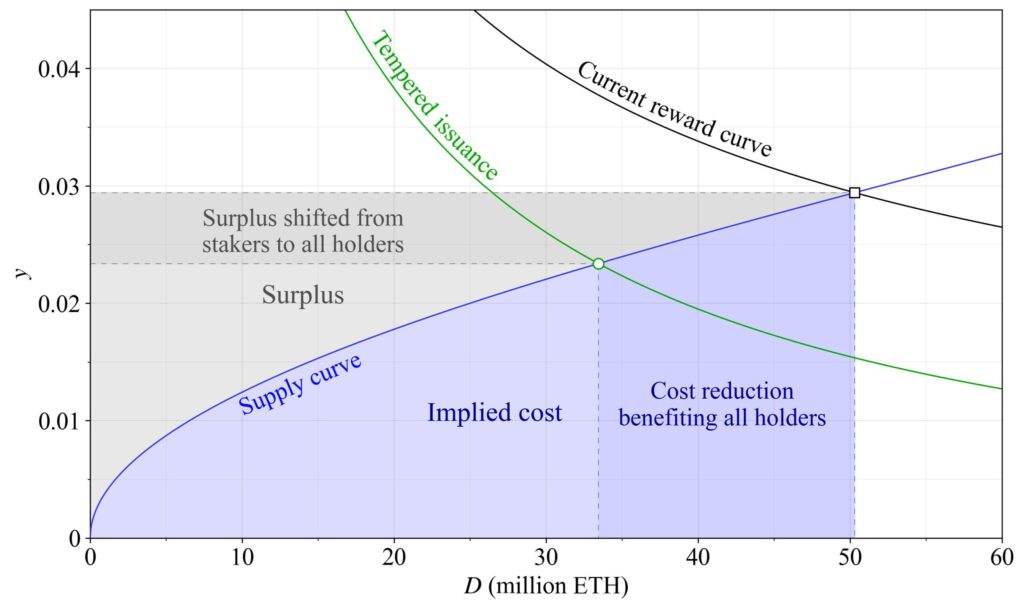
One of the most immediate market impacts of this shift is the reduction in sell pressure. By staking ETH instead of selling it, the Foundation effectively removes a significant source of potential supply from the market.
This has several implications:
- Reduced downward pressure on ETH price
- Increased investor confidence
- Stronger perception of long-term alignment with the ecosystem
For investors, this shift reinforces Ethereum’s narrative as not just a utility token, but also a yield-bearing digital asset.
ETH Supply Dynamics (Staked vs Liquid)
Strategic Outlook: What Comes After 70,000 ETH?
With the Foundation nearing its 70,000 ETH staking target, the next phase of its strategy becomes a key point of interest.
Potential future developments may include:
- Expansion into restaking protocols
- Diversification into layer-2 ecosystem investments
- Increased participation in validator infrastructure
- Exploration of on-chain treasury management frameworks
These developments could further enhance the Foundation’s financial resilience while supporting Ethereum’s broader ecosystem.Conclusion: A Blueprint for the Future of Crypto Treasury Management
The Ethereum Foundation’s decision to stake nearly $93.1 million worth of ETH represents more than a tactical adjustment—it marks a paradigm shift.
By transitioning from asset liquidation to yield generation, the Foundation is embracing a model that aligns with both traditional financial discipline and the unique opportunities of blockchain technology.
For readers seeking new crypto assets, income opportunities, and practical blockchain applications, this development highlights a critical insight:
The future of crypto is not just about price appreciation—it is about sustainable, on-chain income generation.
As Ethereum continues to evolve, its Foundation’s actions may well serve as a blueprint for how digital asset treasuries are managed in the years ahead.