
Main Points :
- JPMorgan Chase is evaluating whether to offer spot and derivatives crypto trading to institutional clients, signaling a major strategic shift.
- The initiative reflects accelerating institutional adoption under a more crypto-friendly U.S. political and regulatory climate.
- While historically cautious about direct crypto exposure, JPMorgan has already built blockchain payment and tokenization infrastructure, lowering execution risk.
- Competing global banks are moving quickly, making crypto trading a defensive and offensive necessity for tier-one banks.
- For market participants, this shift expands liquidity, legitimacy, and new revenue opportunities across the crypto ecosystem.
1. A Turning Point for America’s Largest Bank
According to reports by Bloomberg and Japanese crypto media outlets, JPMorgan Chase is considering the launch of cryptocurrency trading services for institutional investors. The evaluation reportedly includes both spot crypto trading and derivatives, marking a potentially historic inflection point for the largest bank in the United States by assets.
At present, the initiative remains at an early stage. Internal discussions are focused on whether sufficient institutional demand exists for specific crypto products. However, even this preliminary evaluation is significant. JPMorgan has long been known for its skepticism toward direct cryptocurrency exposure, despite being an early mover in blockchain-based financial infrastructure.
If implemented, this move would signal not merely a product expansion, but a strategic acknowledgment that crypto markets are becoming inseparable from global capital markets.
2. Why This Matters: Institutional Demand Is No Longer Theoretical
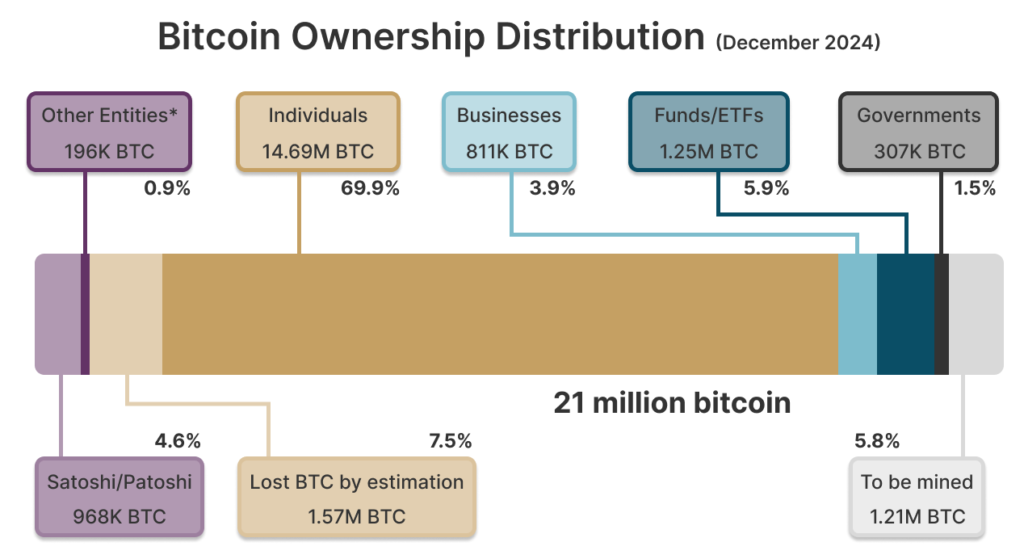
Institutional interest in crypto has evolved from exploratory pilots into measurable capital allocation. Bitcoin spot ETFs in the United States have attracted tens of billions of dollars in assets under management, while Ethereum ETFs are following a similar trajectory. Hedge funds, asset managers, pension funds, and family offices increasingly demand regulated, bank-grade access to digital assets.
For JPMorgan, the question is no longer whether institutions want crypto exposure, but how they want to access it:
- Direct spot trading
- Derivatives for hedging and yield enhancement
- Integrated risk management and reporting
- Custody and settlement aligned with traditional prime brokerage workflows
Offering these services allows JPMorgan to defend existing client relationships while capturing new fee-based revenue streams in a maturing asset class.
3. Political and Regulatory Winds Are Shifting
The timing of this evaluation is not accidental. Under President Trump’s administration, the U.S. political narrative around digital assets has become markedly more constructive. Trump has publicly stated his ambition to make the United States the “crypto capital of the world,” a sharp contrast to earlier regulatory hostility.
This rhetorical shift has practical consequences. Banks, which previously hesitated due to regulatory ambiguity and enforcement risk, now see improving clarity and reduced downside risk in offering crypto-related services. For systemically important banks like JPMorgan, regulatory comfort is a prerequisite for market entry.
As a result, crypto adoption is transitioning from a compliance risk into a competitive necessity.
4. JPMorgan’s Long Game: Blockchain First, Crypto Second
Despite public skepticism from its executives, JPMorgan has quietly built one of the most advanced blockchain infrastructures among global banks.
Notable initiatives include:
- JPM Coin, a blockchain-based settlement token for institutional payments
- Onyx Digital Assets, enabling tokenized deposits and securities
- Active participation in tokenization pilots involving U.S. Treasuries and money market instruments
Recently, JPMorgan-related blockchain activity has expanded into public ecosystems, including experimentation involving Coinbase’s Base blockchain.
This matters because it dramatically lowers execution risk. JPMorgan does not need to “learn blockchain”; it merely needs to extend existing systems to include crypto market access.
5. Competitive Pressure from Global Peers

JPMorgan is not moving in isolation. Other global banks are already operational.
- Standard Chartered launched spot Bitcoin and Ethereum trading for institutional clients, becoming one of the first major banks to offer direct access.
- Morgan Stanley expanded access to Bitcoin ETFs for wealth management clients and is preparing to enable trading of Bitcoin, Ethereum, and Solana through its E*Trade platform.
These moves create competitive asymmetry. If JPMorgan does not act, it risks losing institutional clients to banks that offer integrated crypto services.
6. Market Structure Implications: Liquidity, Stability, and Scale

The entry of tier-one banks into crypto trading has structural consequences:
- Liquidity Deepening
Bank participation increases order book depth, reduces spreads, and stabilizes volatile markets. - Derivatives Sophistication
Institutional-grade derivatives enable hedging, arbitrage, and structured products, attracting conservative capital. - Risk Management Standards
Banks impose rigorous controls—margining, reporting, and compliance—that elevate market credibility. - Tokenization Synergies
Crypto trading desks naturally integrate with tokenized securities, stablecoins, and on-chain settlement.
This convergence accelerates the transformation of crypto from a speculative niche into financial infrastructure.
7. Revenue Opportunities Beyond Trading Fees
For banks, crypto trading is only the beginning. Ancillary revenue streams include:
- Prime brokerage services
- Custody and safekeeping
- Structured products and yield strategies
- Collateralized lending using digital assets
- Cross-border settlement and FX replacement
For crypto-native builders and investors, this opens new B2B integration opportunities with banks seeking reliable infrastructure partners.
8. Risks and Constraints Remain
Despite optimism, challenges persist:
- Regulatory fragmentation across jurisdictions
- Custody and operational risk
- Market volatility and liquidity shocks
- Reputation risk during market downturns
JPMorgan’s cautious, demand-driven approach reflects these realities. The bank is unlikely to launch retail crypto trading aggressively; instead, it will prioritize institutional-grade, risk-managed offerings.
9. What This Means for Crypto Investors and Builders
For readers seeking new crypto assets, revenue opportunities, or practical blockchain applications, this development is profound.
Institutional bank participation:
- Validates crypto as a permanent asset class
- Increases demand for compliant infrastructure
- Rewards projects aligned with institutional standards
- Shifts value toward scalability, security, and integration
The era of purely retail-driven crypto cycles is fading. The next phase is defined by capital markets logic.
10. Conclusion: From Experiment to Financial Backbone
JPMorgan’s consideration of institutional crypto trading marks a symbolic and practical milestone. It reflects a broader realization across global finance: crypto is no longer optional.
Whether or not JPMorgan proceeds immediately, the direction is clear. Digital assets are being woven into the fabric of global finance—not as a rebellion against it, but as its next evolutionary layer.
For market participants, the question is no longer if institutions will adopt crypto, but who will be ready when they do.