A cryptocurrency network can make a convincing technology demonstration without proving that its token captures durable economic value. This edition follows three less mainstream infrastructure projects where that distinction is especially visible: Akash (AKT) in distributed cloud computing, GEODNET (GEOD) in precise satellite positioning, and Helium (HNT) in wireless connectivity. Each has a concrete 2026 development worth inspecting, but none deserves an automatic growth forecast.
Research cutoff: November 12, 2026 (JST). Milestones below are dated to their original announcements or reported operating periods. Company-reported operational figures are identified as such; live token prices, exchange order books and circulating-supply measurements were not independently sampled for this article.
Three Projects at a Glance
Akash (AKT) — permissionless compute. The core team proposed moving the compute marketplace from its own Cosmos chain onto Solana on October 26. The choice is explained, but the migration and cutover are not completed. The practical test is whether developers obtain simpler access and reliable lower-cost compute without disrupting existing deployments.
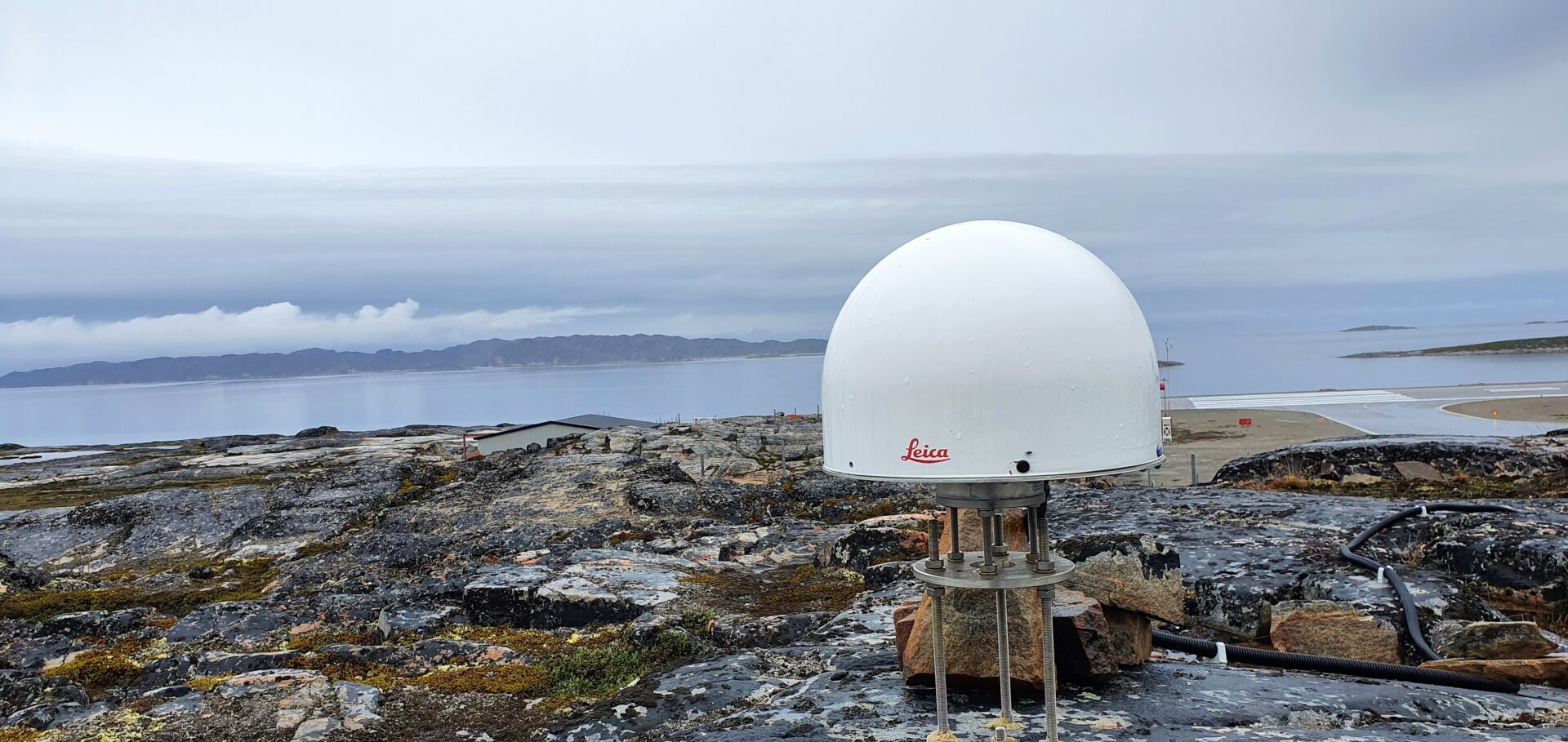
GEODNET (GEOD) — positioning corrections. Its October 21 GEO-MEASURE field feature shows how a small RTK receiver can bring precise satellite positioning into surveying and agricultural workflows. The interesting question is whether those workflows produce recurring paid data usage rather than only demand for hardware.
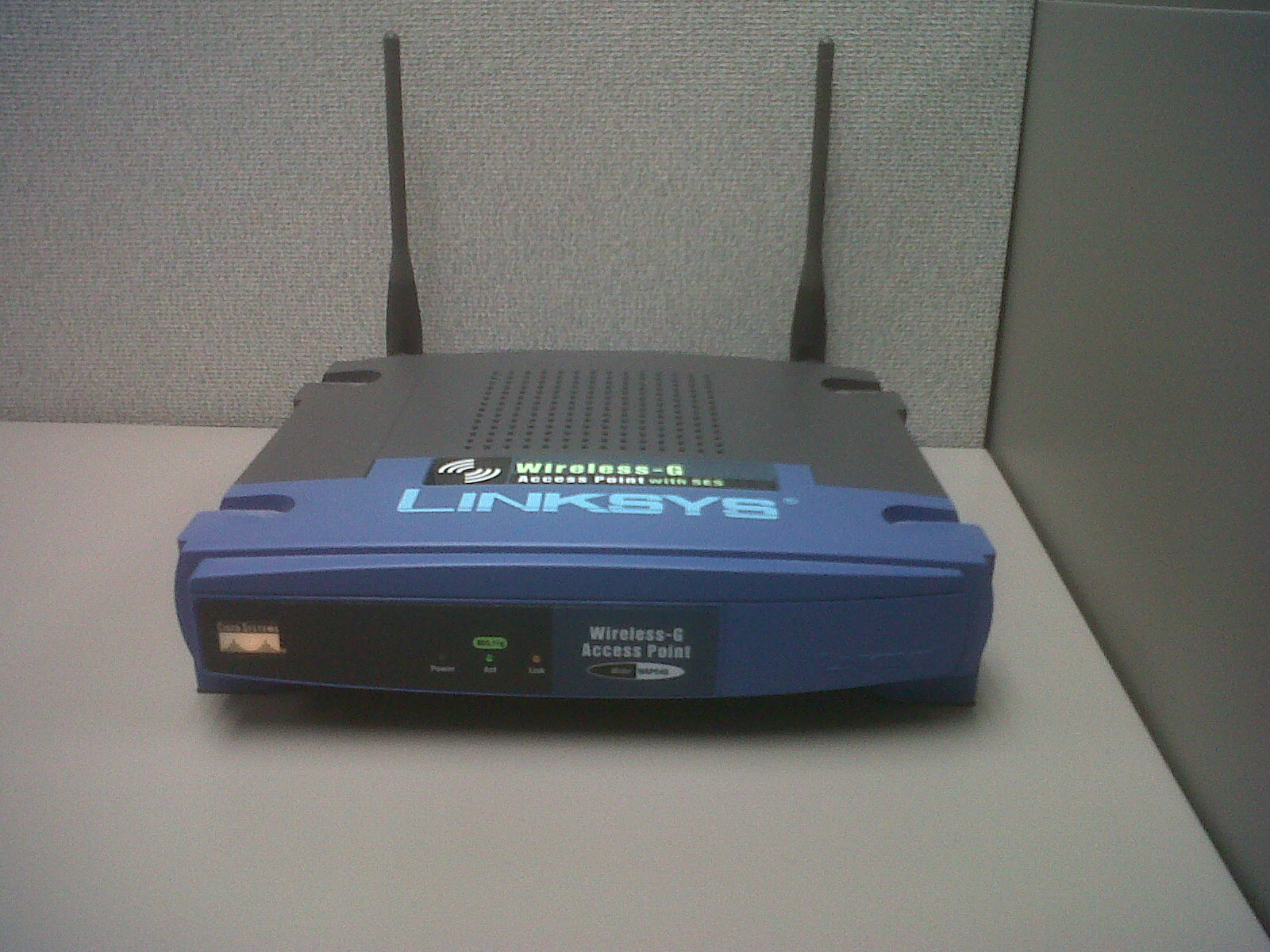
Helium (HNT) — shared wireless capacity. A November 3 report describes an actual casino Wi-Fi offload deployment, a stronger signal than a future partnership announcement. Whether that traffic can be reproduced economically at many venues is more important than a single installation’s peak usage.
Why These Projects
These projects solve different problems, yet each attempts to coordinate physical or digital resources supplied by participants outside a conventional centralized vendor. A compute buyer wants predictable performance; a surveyor wants dependable centimeter-grade corrections; a mobile operator wants usable indoor capacity. In each case, the customer is paying for a service rather than a token narrative.
That difference provides a useful analytical filter: identify a paying customer, verify that the service works repeatedly, then follow how value actually reaches token holders after provider rewards, incentives, operations and any new issuance. Tokens are not equity claims on business revenue. Exchange availability also does not guarantee depth: spreads, slippage, unlocks and market-maker concentration need separate live examination.
Akash Network (AKT)
What it does
Akash is a decentralized marketplace for deploying workloads on independent compute providers. Tenants seek GPUs or general-purpose infrastructure, and providers compete to supply resources. Its older self-sovereign Cosmos architecture allowed the marketplace to settle on its own chain. The service proposition is straightforward, but uptime, hardware verification, geographic availability and predictable billing determine whether developers can use it beyond experiments.
Recent development
On October 26, 2026, the Akash core team published a Solana migration selection. It proposes reimplementing marketplace functions as native Solana programs and ultimately moving AKT to a Solana token. Importantly, the announcement says nothing moves yet: governance, independent audits, migration rehearsals, exchange support and later cutover votes remain gates. No cutover date was set in that announcement, so describing this as an accomplished migration would be inaccurate.
The proposal follows an earlier economic change. Akash’s March 2026 account of Burn-Mint Equilibrium describes a system in which AKT is burned into a non-transferable compute credit and a settlement mechanism attempts to reduce payment volatility for users. That design is intended to link marketplace usage more directly to AKT activity; the strength of that link depends on actual spend and system parameters.
Potential
A shared execution layer could lower the overhead of maintaining Akash’s own chain, simplify wallet and liquidity access and attract teams already building on Solana. That is a plausible efficiency argument, not proof that Solana infrastructure will make GPU workloads faster. The underlying deployment workload still depends on the provider’s hardware, networks and operating discipline.
Risks and what to monitor
A one-way token migration introduces custody, phishing and exchange-integration risks. Governance could reject or alter the path, and audits may uncover delays. Investors also need evidence that new compute demand outweighs issuance and operating costs. Track completed votes, published security audits, documented migration tests, stable tenancy, workload reliability and actual paid compute consumption. Without those, the technical announcement remains a proposal.
GEODNET (GEOD)
What it does
GEODNET coordinates distributed GNSS reference stations that supply correction data used for high-precision positioning. Satellite navigation alone may not meet a surveyor’s or robot’s tolerance; RTK correction streams help narrow the error when coverage, setup and environmental conditions cooperate. Potential customers include surveyors, drone operators, agriculture systems and mapping applications. The network rewards station participants with GEOD.
Recent development
A GEODNET article dated October 21, 2026 highlights an external field feature of the GEO-MEASURE RTK receiver, including a surveyor’s tests and a Japanese avocado grower’s workflow. The case demonstrates a valuable distinction: a portable receiver helps capture points that software can use, but does not replace professional coordinate control or full surveying software. The feature is evidence of a practical use case, not a newly announced mainnet or proof of broad enterprise procurement.
Potential
If precise corrections become cheaper and simpler to integrate, the addressable market could expand from specialists into robotics, small farms and asset management. The project’s token documentation describes GEOD rewards for station operators and an economic loop that allocates part of network revenue toward buying and burning GEOD. This is a more explicit service-to-token mechanism than a token merely attached to a marketing campaign; its impact still depends on paid demand.
Risks and what to monitor
Station count is not the same as commercially valuable geographic coverage. Customers need consistent corrections, low-latency service, compatible hardware and support. Hardware sales may not translate into recurring data subscriptions. The project’s published burns are also not a substitute for independently reconciled revenue and token issuance. Monitor disclosed paying customers, renewal rates, verified correction quality, operator reward dilution and executable liquidity across venues.
Helium Network (HNT)
What it does
Helium coordinates a decentralized wireless network, including mobile offload and IoT connectivity. For mobile venues, existing Wi-Fi can accept carrier traffic via secure network onboarding rather than requiring an entirely new cellular installation. HNT is its protocol token. The Helium token documentation explains that hotspot operators earn HNT and that burning HNT produces Data Credits for network usage. Data Credits measure service consumption more directly than a token’s exchange price.
Recent development
Helium’s November 3, 2026 report on Hialeah Park Casino says carrier offload began October 1. It reports a one-day peak of 1,179 carrier subscribers on October 18 and approximately 846 gigabytes over more than 127,000 sessions in the first three weeks. These are Helium’s own deployment metrics, not independently audited market-wide results, but they describe actual transported traffic instead of an unexecuted partnership.
On October 13, Helium also documented a transition to Apache Iceberg network-data tables. The stated aim is easier querying and auditability of mobile usage and rewards. Its public network-data documentation still describes a migration in progress; completing that transition should be checked separately instead of inferred from the earlier target date.
Potential
Indoor coverage is a costly problem for conventional operators and large venues. Reusing an existing network could lower deployment friction and align incentives when real carrier traffic produces usage payments. The durable opportunity would be repeat installations with transparent performance, reasonable venue economics and consistent carrier participation, not merely rapid growth in registered access points.
Risks and what to monitor
Venue traffic is uneven, and a successful casino site may be atypical. The ecosystem depends on carrier agreements, authentication, user experience, venue uptime, and rewards calibrated to useful traffic rather than radio density. Monitor independent usage queries, paid offload growth, churn, customer concentration, rewards relative to HNT burns, and live trading liquidity. Incentive expansion without dependable fee generation would weaken the long-term token thesis.
What to Watch Next
For Akash, the next verifiable documents are governance decisions, audits and migration readiness; distinguish an approved token plan from the later marketplace cutover. For GEODNET, look for repeated customer usage and independent correction-performance testing across sites rather than one successful field trial. For Helium, compare traffic and payouts across many venues, then determine whether open usage data corroborates company case studies.
Across all three, distinguish genuine adoption signals from token trading activity. A durable network should progressively disclose service consumption, the cost of securing and maintaining supply, and the allocation of economic value between providers, customers, protocol reserves and holders. Thin secondary-market depth can magnify volatility even when the underlying service functions well.
Final Assessment
Akash offers the clearest near-term governance and architecture decision; GEODNET illustrates how a distributed physical network can support concrete surveying tasks; Helium provides a recent operating example of carrier traffic using shared Wi-Fi. Their evidence is different in kind, so comparing them on token performance alone would erase the most useful distinctions.
None of the three developments establishes that token prices should rise. Akash must execute a complex migration without losing customers, GEODNET must convert accessible positioning tools into durable correction demand, and Helium must show that its venue-level economics replicate at scale. All three also face issuance, liquidity, competition and execution risk. The sensible watchlist is therefore made of measurable customer and protocol milestones—not an unconditional price target.