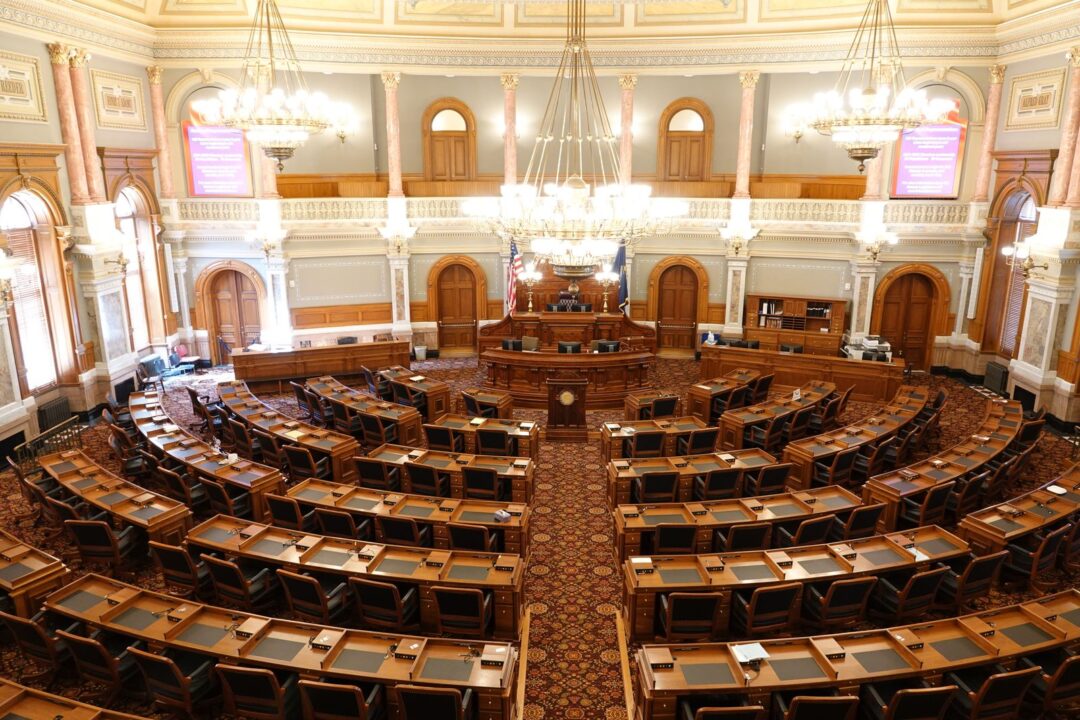
The Clarity Bill, in a Senate deliberation, has failed to reach the required 60 votes. This comes after a lengthy process of drafting, redrafting, and iterating the bill to appeal to both sides of the aisle: the democrats and the republicans. The Bill comprehensively covers the oversight on cryptocurrency-related transactions, accountability for government officials and disclosure from those profiting from said transactions.
This failure comes at a crucial point where the sentiment towards its passing—for the public—has waned. Betting sites put the failure of the bill as a high probability, a reflection of the public’s conviction against the passing.
The stall also comes after the planned countermeasures of democratic lawmakers on September 15, 2026, where they raised key issues of oversight, accountability, sanctions, disclosure, and so on. In a recent case, the Trump administration has been under a scrutinized lens by many political analysts. Donald Trump does not directly hold cryptocurrency, yet his family—through his sons—holds a vast stake and ownership of virtual asset companies. They have profited hundreds of millions of dollars in this regard, and this shifts the narrative toward the targeting of the Republican-majority party.
With the details of the bill being mulled over by dozens of lawmakers, both in Congress and the Senate, it still leaves the question of not when—but if—the bill passes. After all, it still requires a majority vote and consensus from both sides of the aisle. It also requires the signature and approval of the president himself.
This is the reason why other bodies like the Securities and Exchange Commission have taken measures to address the slow progress being made in the legal landscape overseeing cryptocurrency. Apolitical bodies such as the SEC need not approval from the president, or undergo the same processes, to enact financial policies that individuals and corporations must follow. The SEC, in particular, has shifted its crypto sentiment from that of being a sanctioning body, to that of a proactive regulatory actor. Where the House and the Senate have stalled, the other bodies have taken approaches to build frameworks in the meantime.