
Main Points :
- Russia has formally defined cryptocurrency as intangible property under federal law.
- Authorities can now seize and confiscate crypto assets during criminal investigations based on court rulings.
- Law enforcement may transfer seized crypto to a state-designated “secure address.”
- The measure strengthens Russia’s anti–money laundering and cybercrime enforcement framework.
- This development aligns with global trends in state-level crypto enforcement, including the United States and the European Union.
- The move signals Russia’s transition from regulatory ambiguity to structured digital asset governance, including legalized mining and asset recovery mechanisms.
Executive Summary
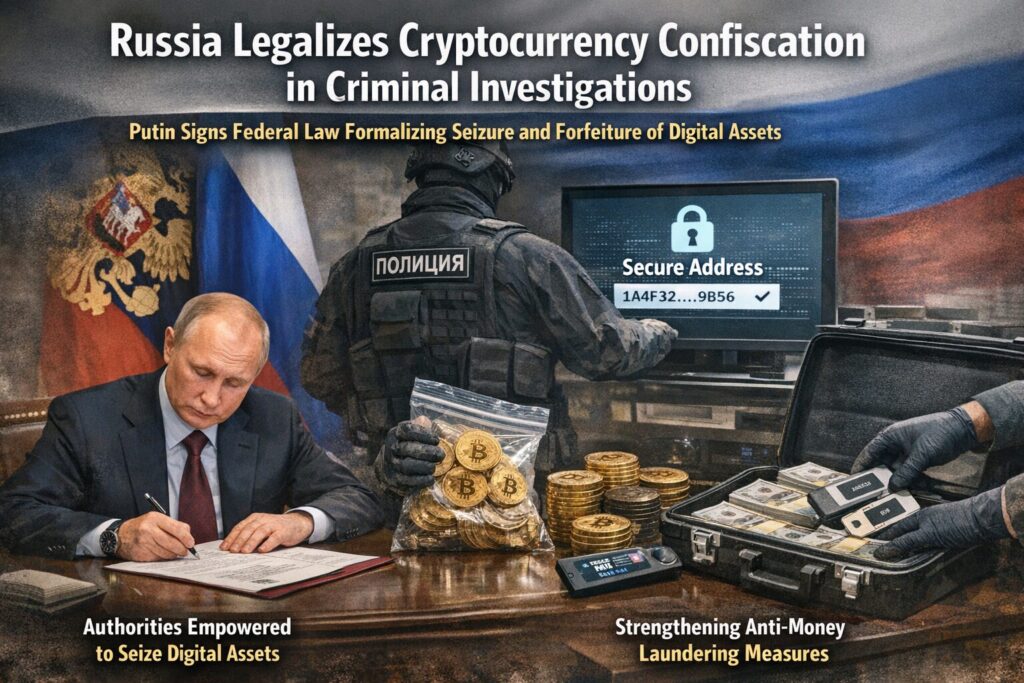
In February 2026, Russian President Vladimir Putin signed a federal law formally authorizing the confiscation of cryptocurrencies such as Bitcoin during criminal investigations. The legislation, passed by the State Duma and approved by the Federation Council, establishes a legal mechanism that allows courts to order the seizure and forfeiture of digital assets.
For years, Russia faced ambiguity in handling crypto-related criminal proceeds. Authorities could identify digital wallets but lacked a fully defined legal framework to treat cryptocurrency as confiscatable property. This new law eliminates that uncertainty by defining cryptocurrencies as intangible assets and outlining explicit procedures for seizure via hardware wallets and transfer to government-controlled secure addresses.
For investors, miners, exchanges, and blockchain entrepreneurs, this development marks a critical shift: Russia is no longer merely tolerating digital assets — it is institutionalizing control over them.
I. Legal Recognition of Cryptocurrency as Intangible Property
Formal Classification and Legal Implications
The newly enacted law defines cryptocurrencies as “intangible assets,” bringing them into Russia’s civil and criminal asset framework. This classification allows courts to treat crypto holdings similarly to bank deposits, securities, or other financial instruments when linked to criminal activity.
Previously, Russian investigators encountered procedural gaps. While digital wallets could be identified, ambiguity existed around:
- Whether crypto constituted property under seizure law
- How to technically execute confiscation
- How to custody and manage seized digital assets
The new framework clarifies:
- Courts can order crypto confiscation.
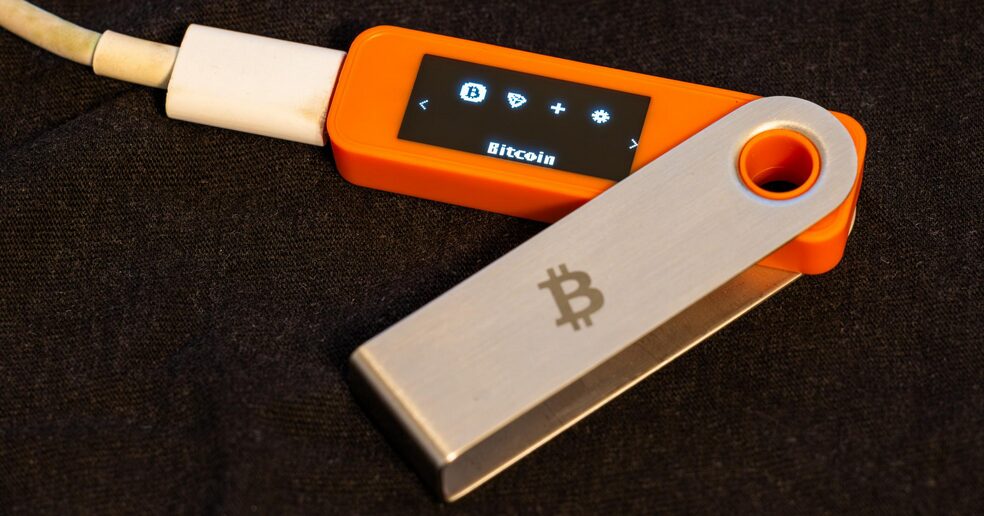
- Investigators may seize physical storage devices such as hardware wallets.
- Assets can be transferred to state-controlled secure blockchain addresses.
This effectively creates a standardized seizure protocol.
II. Seizure Protocol: From Hardware Wallet to State Address
Operational Mechanism
The law explicitly authorizes authorities to:
- Confiscate hardware wallets and private key devices
- Access digital wallets under court order
- Transfer assets to a government-designated “secure address”
This mirrors procedures already practiced in jurisdictions like the United States, where agencies such as the U.S. Department of Justice and the Federal Bureau of Investigation manage seized crypto.

[Graph: Cryptocurrency Seizure Process Flow – Investigation → Court Order → Device Seizure → Secure Address Transfer → Treasury Custody]
This structured approach removes discretion at the operational level and increases enforcement predictability.
III. Alignment With Global Enforcement Trends
Russia’s move reflects broader international trends.
In the United States, authorities have confiscated billions of dollars worth of Bitcoin linked to darknet markets such as Silk Road. Similarly, the European Union’s Markets in Crypto-Assets (MiCA) framework strengthens AML controls.
Russia’s framework suggests three major strategic goals:
- Cybercrime deterrence
- Anti–money laundering efficiency
- State financial control over digital asset flows
By enabling cooperation with domestic and foreign exchanges, Russian authorities can now streamline freezing orders and asset transfers.
IV. Economic and Market Implications
Impact on Russian Crypto Users
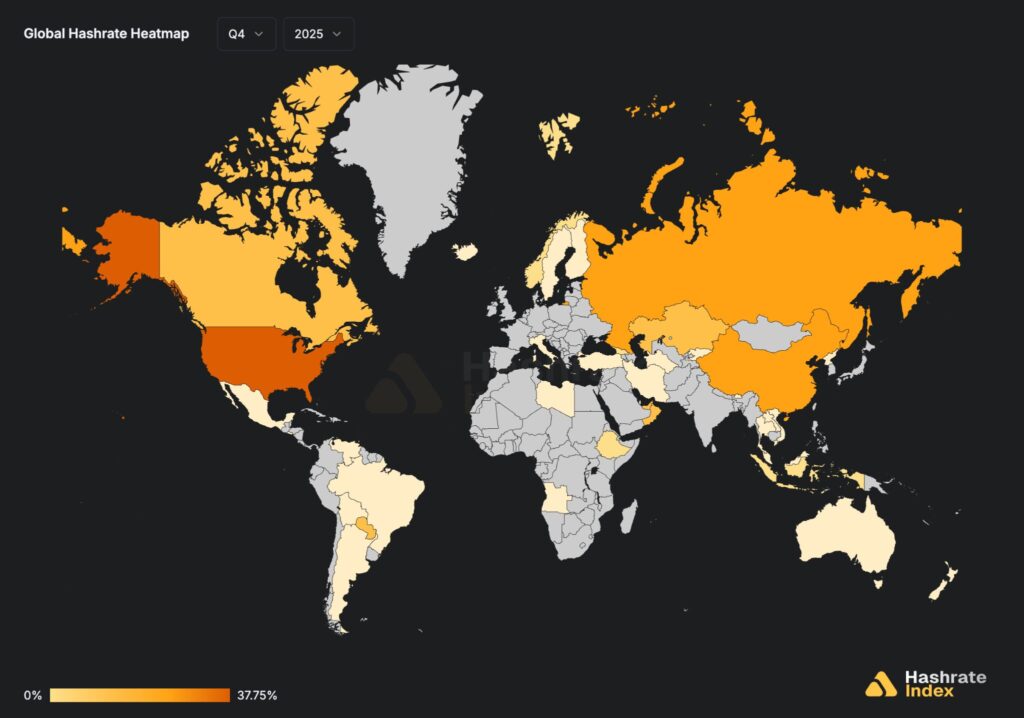
Russia has one of the world’s largest crypto mining industries due to:
- Abundant energy resources
- Cold climate advantages
- Sanctions-driven capital movement needs
Recent legalization of crypto mining formalized an industry previously operating in regulatory gray zones. Now, with confiscation rules clarified, the state gains full-spectrum control: legalization, taxation, and seizure authority.
[Graph: Estimated Russian Crypto Activity Growth 2022–2026 (Mining Revenue and Wallet Adoption in $ Billions)]
For investors, this signals:
- Reduced legal ambiguity
- Higher enforcement risk for illicit activity
- Greater institutionalization of digital assets
V. Strategic Interpretation: State Sovereignty Over Digital Assets
The law symbolizes a broader geopolitical shift. Governments worldwide are asserting sovereignty over decentralized financial systems.
Cryptocurrency was originally designed to resist centralized control. However, practical realities show:
- Exchanges operate under jurisdictional oversight
- On/off ramps are regulated
- Blockchain analytics enables traceability
Russia’s new law demonstrates that states are not rejecting crypto — they are integrating it into sovereign legal frameworks.
This creates two simultaneous forces:
- Increased compliance requirements
- Greater institutional legitimacy
VI. Opportunities for Blockchain Entrepreneurs
For readers seeking revenue opportunities and practical blockchain applications, this development suggests several strategic directions:
1. Compliance Infrastructure Solutions
Tools for seizure tracking, blockchain analytics, and AML automation will grow in demand.
2. Institutional Custody Technology
Secure multi-signature and state-level custody systems become critical.
3. Legal-Tech and Cross-Border Recovery Services
As confiscation frameworks mature, asset recovery consulting becomes a high-value niche.
VII. Risk Considerations for Investors
While legalization enhances clarity, risks include:
- Expanded surveillance
- Exchange cooperation with authorities
- Cross-border enforcement partnerships
Investors holding assets in centralized exchanges face jurisdictional exposure. Self-custody reduces counterparty risk but does not eliminate legal liability.
Conclusion
Russia’s legalization of cryptocurrency confiscation marks a decisive transition from regulatory ambiguity to structured digital asset governance. By defining crypto as intangible property and formalizing seizure protocols, the Kremlin has strengthened state authority across the entire asset lifecycle — from mining to confiscation.
For the global crypto market, this move reinforces a clear message:
Digital assets are no longer outside the reach of sovereign power.
Instead, they are becoming embedded within national financial systems.
For entrepreneurs and investors, the opportunity lies not in resisting regulation, but in building compliant, scalable infrastructure that operates within evolving legal frameworks.
The next phase of blockchain adoption will not be purely decentralized. It will be a hybrid model — where sovereign enforcement and decentralized technology coexist.
Those who understand this shift early will be positioned to capture the next wave of value creation.
