

Key Takeaways :
- Bitcoin fell below $90,000 after reports of U.S. military action in Venezuela, highlighting crypto’s sensitivity to geopolitical risk.
- Despite short-term selling pressure, multiple analysts maintain a bullish medium-term outlook, targeting $96,000–$100,000.
- The reopening of traditional financial markets and CME Bitcoin futures is expected to increase volatility.
- Bitcoin’s relative strength versus gold is drawing attention, suggesting a potential capital rotation.
- For investors and builders, geopolitical stress tests reinforce Bitcoin’s evolving role as both a risk asset and a macro hedge.
1. Bitcoin Under Geopolitical Pressure
On January 3, Bitcoin (BTC) briefly slipped below the psychologically important $90,000 level after reports emerged that the United States had initiated military action in Venezuela. According to market data from TradingView, BTC/USD climbed toward $90,940 on Bitstamp before sharply reversing course.
This sudden downturn did not occur in isolation. News outlets reported airstrikes in Caracas, followed by a controversial social media post by former U.S. President Donald Trump on Truth Social, claiming that Venezuelan President Nicolás Maduro had been detained and transferred abroad. Regardless of the political veracity of these claims, the market reaction was immediate: heightened risk aversion and short-term selling pressure.
For crypto markets, which operate 24/7, such geopolitical shocks often manifest first during weekends or holidays when traditional markets are closed. This timing effect can exaggerate price moves, as liquidity thins and derivatives markets prepare for reopening.
2. Weekend Volatility and the Futures Market Effect
With U.S. equity and bond markets closed, Bitcoin traders focused on whether BTC could preserve its year-to-date gains ahead of the Sunday reopening of futures markets. Analysts noted that BTC/USD was effectively “marking time,” attempting to stabilize above key technical levels.
One widely followed analyst argued that while the U.S.–Venezuela situation introduced short-term uncertainty, the broader bullish structure remained intact. As long as the conflict did not escalate into a prolonged regional crisis, the price action could be interpreted as a temporary pullback rather than a trend reversal.
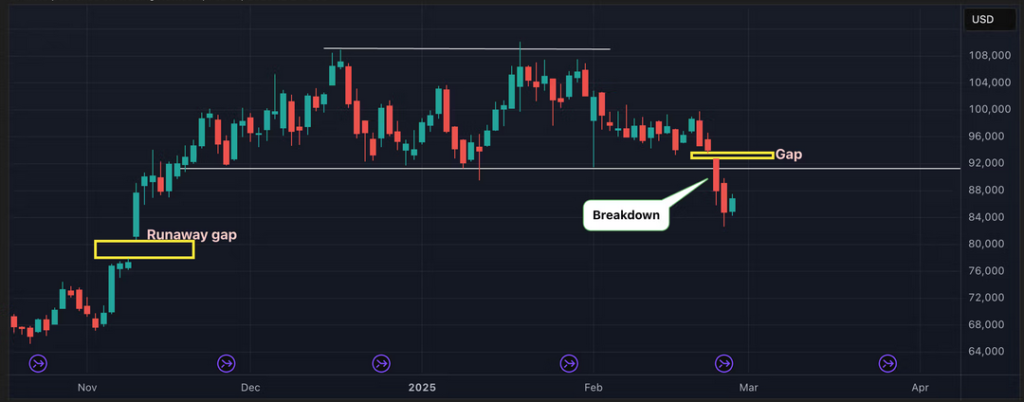
A crucial reference point is the Bitcoin futures market operated by the CME Group. CME Bitcoin futures closed the weekend above $90,000, creating a potential “gap” between futures and spot prices. Historically, such gaps often act as price magnets, increasing the probability of a rebound toward the gap level in the following sessions.
[BTC/USD 1-hour chart and CME futures gap visualization]
3. Analysts’ Outlook: Short-Term Fear, Medium-Term Optimism
Multiple market commentators converged on the same theme: expect volatility, but do not abandon the bullish thesis prematurely.
As traditional financial players return after the weekend, trading volumes are likely to increase. Institutional participants—hedge funds, proprietary trading desks, and macro investors—will reassess risk across equities, bonds, commodities, and crypto simultaneously. This synchronized repricing often results in sharper intraday swings for Bitcoin.
Another analyst emphasized that weekend pullbacks are a recurring pattern in crypto markets. Thin liquidity, combined with headline-driven trading, frequently leads to exaggerated moves that partially retrace once full market participation resumes.
From a technical perspective, the 21-day moving average around $87,850 remains a critical support level. As long as Bitcoin holds above this zone, the broader uptrend that has defined recent months remains intact.
4. Bitcoin Versus Gold: A Shifting Macro Narrative
Beyond short-term price fluctuations, a deeper macro comparison has captured investors’ attention: Bitcoin’s performance relative to gold.
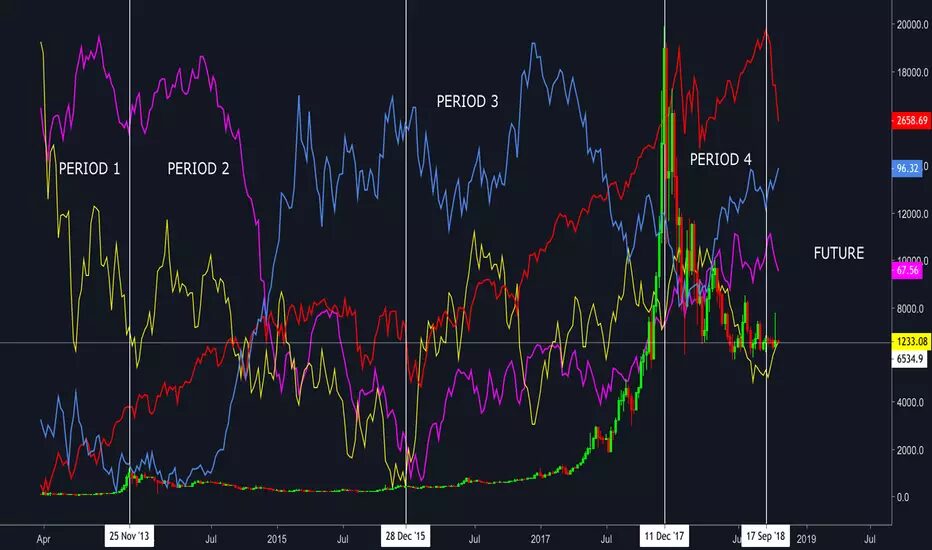
Gold (XAU/USD) reached a record high of approximately $4,551 per ounce on December 26 before correcting by as much as 6%. In contrast, Bitcoin gained up to 5% over the same period. This divergence is notable because, historically, Bitcoin’s most aggressive bull phases often followed periods when gold appeared to peak.
Market strategists argue that if gold has indeed formed a local top, capital could begin rotating toward alternative stores of value—chief among them Bitcoin. Unlike gold, Bitcoin offers programmability, instant global transferability, and a fixed monetary supply, characteristics that appeal to a digitally native generation of investors.
[BTC/USD vs XAU/USD comparative performance chart]
5. Bitcoin’s Dual Identity: Risk Asset or Digital Hedge?
The Venezuela episode underscores Bitcoin’s unresolved identity crisis. On one hand, BTC often trades like a high-beta risk asset, declining alongside equities during moments of geopolitical stress. On the other hand, its long-term narrative as “digital gold” suggests it should benefit from instability in fiat-centric systems.
In practice, Bitcoin currently occupies a hybrid position. In the immediate aftermath of breaking news, traders prioritize liquidity and risk reduction, leading to sell-offs. Over longer horizons, however, sustained geopolitical instability can strengthen the case for non-sovereign assets that are resistant to capital controls, censorship, and inflationary policy responses.
For investors searching for new crypto assets or yield opportunities, this duality presents both risk and opportunity. Volatility creates entry points, while structural adoption trends continue largely unaffected by short-term headlines.
6. Implications for Investors and Builders
For portfolio managers, the key takeaway is not that Bitcoin is immune to geopolitics, but that it increasingly behaves as a macro asset. Risk management strategies must account for correlations with traditional markets, especially during crisis events.
For builders and entrepreneurs exploring blockchain’s practical applications, the lesson is equally important. Geopolitical shocks accelerate interest in cross-border payments, censorship-resistant finance, and decentralized settlement layers. Regions experiencing political or economic instability often become real-world testing grounds for crypto utility, not just speculation.
As we move deeper into 2025, Bitcoin’s reaction to events like the Venezuela crisis will continue to inform its evolving role in the global financial system.
Conclusion
Bitcoin’s dip below $90,000 following reports of U.S. military action in Venezuela highlights the market’s sensitivity to geopolitical risk—but it does not invalidate the broader bullish narrative. Analysts remain constructive, pointing to technical support levels, CME futures dynamics, and Bitcoin’s relative strength against gold.
For readers seeking new crypto assets, revenue opportunities, or practical blockchain use cases, the message is clear: volatility is not merely noise, but a feature of an asset class increasingly intertwined with global macro forces. Understanding these dynamics is essential for navigating the next phase of crypto’s evolution.
