
Main Points :
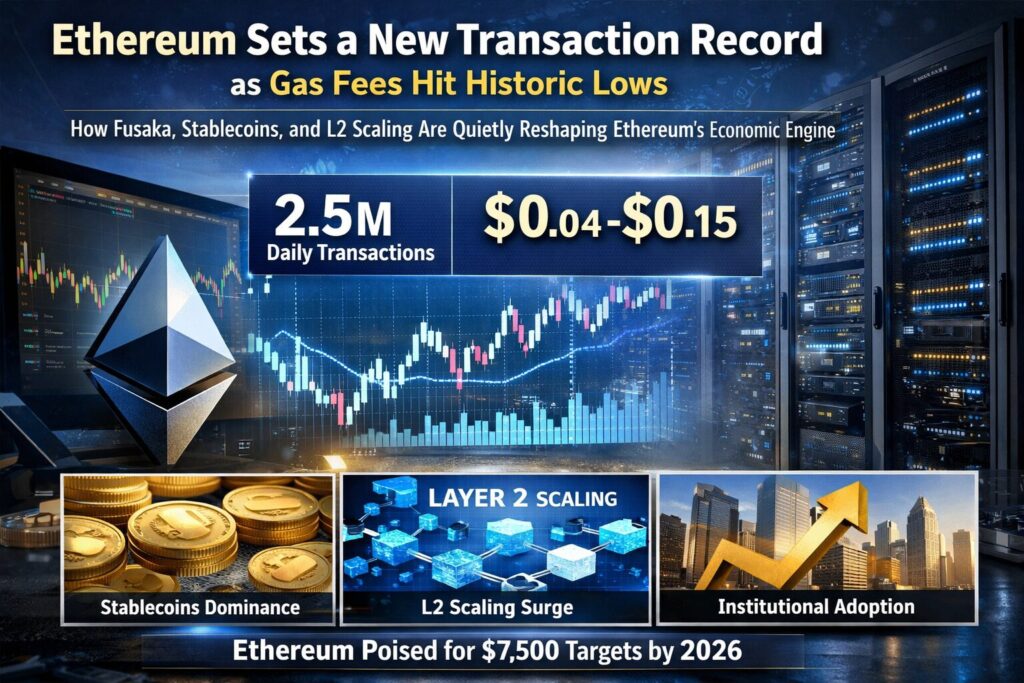
- Ethereum transaction activity has reached an all-time high, with the 7-day moving average approaching 2.5 million transactions, nearly double year-on-year.
- Average gas fees have fallen dramatically, with typical transactions costing as low as $0.04–$0.15, a level once thought unrealistic for Ethereum.
- The timing aligns with the rollout of the Fusaka upgrade, including the second BPO (Blob Parameters Only) fork, which expands data throughput without disruptive hard forks.
- Stablecoins now account for 35–40% of all Ethereum transactions, highlighting Ethereum’s role as global settlement infrastructure rather than a speculative playground.
- Lower fees and higher throughput are reinforcing Layer 2 growth, DeFi adoption, RWA tokenization, and institutional usage.
- Major financial institutions project Ethereum to outperform other crypto assets in 2026, with price forecasts reaching $7,500.
1. Ethereum Transaction Volume Reaches a Historic Peak
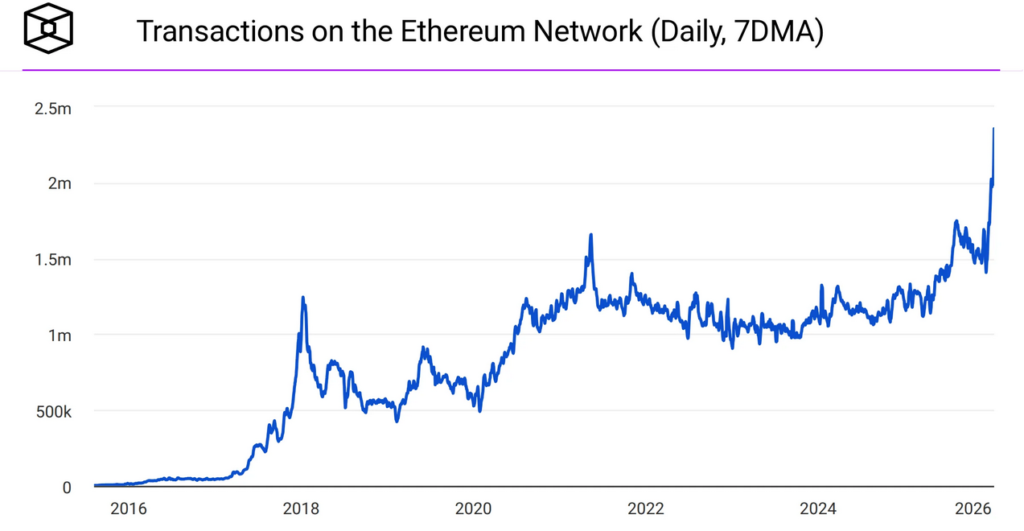
Ethereum has entered a phase that many long-time observers once considered improbable: record-breaking usage combined with minimal transaction costs. According to reporting by The Block, Ethereum’s transaction count has surged to its highest level on record, with the 7-day moving average nearing 2.5 million transactions per day—almost twice the level seen one year ago.
This growth is not driven by a single hype narrative. Instead, it reflects a structural shift in how Ethereum is being used: as a settlement layer for stablecoins, a data availability backbone for Layer 2 networks, and a programmable financial rail for decentralized and institutional finance alike.
Historically, spikes in Ethereum activity were accompanied by painful congestion and volatile gas fees. This time, the opposite is occurring. Usage is rising, yet fees are collapsing.
2. Gas Fees Fall to Near-Negligible Levels
One of the most striking aspects of the current environment is the collapse in gas fees. Average transaction costs have fallen to around $0.15, while data from Etherscan shows that estimated fees dropped to approximately $0.04 on January 18.
For years, Ethereum’s critics pointed to unpredictable and often exorbitant fees as its fatal flaw—particularly for small users, emerging markets, and real-world payment use cases. The present data suggests that this long-standing constraint is finally loosening.
This is not merely a cyclical lull. It coincides with deliberate protocol-level changes designed to expand throughput and smooth fee dynamics over time.
3. Fusaka Upgrade: Scaling Without Shock
The surge in activity aligns closely with the rollout of Ethereum’s major upgrade, Fusaka, which began in December and entered its final phase earlier this month with the second BPO (Blob Parameters Only) fork.
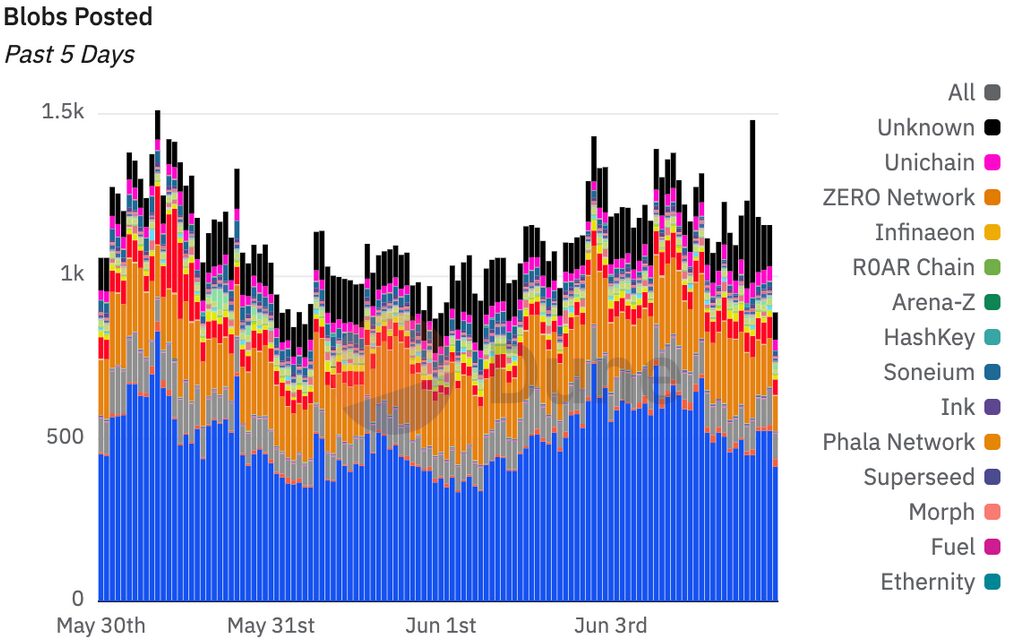
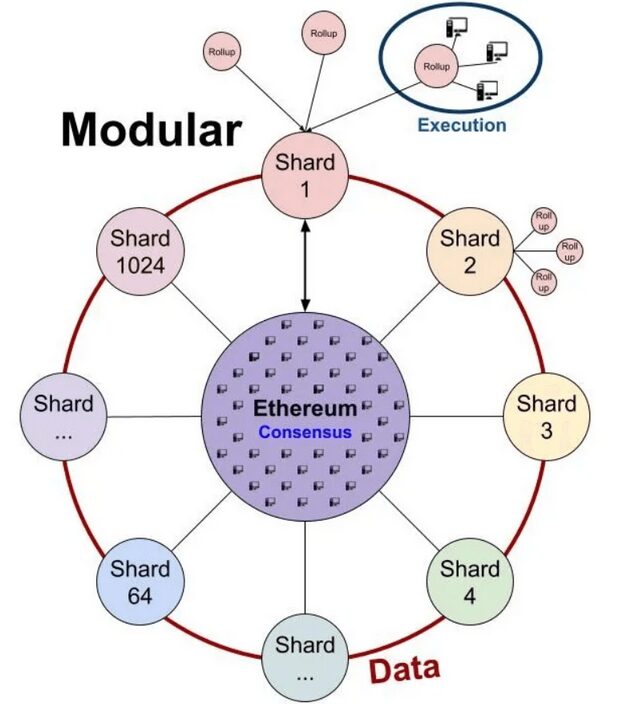
Fusaka introduces PeerDAS (Peer Data Availability Sampling), a technology that theoretically expands Ethereum’s data processing capacity by up to 8×. Rather than forcing a disruptive hard fork, the BPO mechanism allows blob capacity—critical for Layer 2 data—to be expanded gradually and safely.
What Is a “Blob”?
A blob is a dedicated, low-cost data space used primarily by Ethereum Layer 2 networks to temporarily store transaction data. By offloading data from the main execution layer, blobs dramatically reduce costs while preserving Ethereum’s security guarantees.
This architecture marks a philosophical evolution: Ethereum is increasingly optimized not just for direct user transactions, but as high-integrity data infrastructure for a multi-layer ecosystem.
4. Layer 2 Stability and the Feedback Loop of Adoption
Lower blob costs translate directly into cheaper and more stable Layer 2 fees. As L2s become consistently affordable, user behavior changes:
- Micro-transactions become viable
- DeFi strategies can rebalance more frequently
- On-chain gaming and social applications face fewer cost barriers
- Enterprises can plan predictable operating costs
This creates a feedback loop: lower fees drive usage, higher usage validates the scaling roadmap, and confidence attracts developers and capital. Ethereum’s current metrics suggest this loop is now firmly in motion.
5. Stablecoins Emerge as the Primary Driver of Activity
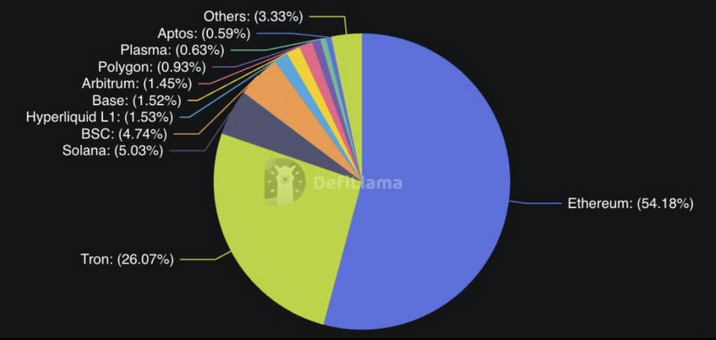
Behind the transaction surge lies a less glamorous but far more important force: stablecoins. According to analysis cited by Standard Chartered Bank, stablecoin transfers now account for approximately 35–40% of all Ethereum transactions.
This statistic reframes Ethereum’s role. Rather than being dominated by speculative trading, Ethereum is increasingly functioning as:
- A cross-border remittance rail
- A settlement layer for digital dollars
- A backbone for on-chain treasury and liquidity management
In many regions, especially where banking access is limited or FX controls are strict, Ethereum-based stablecoins already outperform traditional payment rails in speed, transparency, and availability.
6. Beyond Payments: DeFi, Staking, and RWA Tokenization
Stablecoin activity does not exist in isolation. It feeds directly into broader financial use cases:
- DeFi protocols rely on stablecoins as base liquidity
- Staking and restaking systems benefit from cheaper execution
- RWA (Real-World Asset) tokenization—from bonds to invoices—requires predictable transaction costs
Ethereum’s upgrades arrive at a moment when institutional interest in on-chain finance is no longer theoretical. As tokenized assets migrate from pilots to production, infrastructure reliability matters more than headline TPS numbers.
7. Ethereum’s Competitive Position in 2026
Standard Chartered has gone so far as to suggest that Ethereum will outperform other crypto assets in 2026, projecting a year-end price of $7,500. While price forecasts should always be treated cautiously, the underlying thesis is notable: Ethereum’s value is increasingly derived from utility, not narrative.
If Ethereum continues to absorb real economic activity—payments, settlements, asset issuance—it begins to resemble financial infrastructure rather than a high-beta tech token.
8. What This Means for Builders and Investors
For builders, the implications are immediate:
- Designing for Ethereum no longer requires assuming hostile fee conditions
- L2-first architectures can rely on predictable data costs
- User experience constraints tied to gas volatility are easing
For investors and operators, the message is subtler but more powerful: Ethereum’s maturation phase is not loud. It does not look like meme-driven mania. It looks like quiet reliability, sustained throughput, and declining unit costs—traits more commonly associated with successful infrastructure than speculative assets.
Conclusion: Ethereum’s Silent Inflection Point
Ethereum’s record-high transaction count combined with historically low gas fees marks a structural inflection point, not a temporary anomaly. The Fusaka upgrade, blob expansion, and the rise of stablecoin-driven usage collectively signal that Ethereum is transitioning into its intended role: a neutral, scalable, and economically efficient base layer for global digital finance.
For those seeking the next speculative spike, this moment may appear understated. For those seeking durable revenue models, practical blockchain applications, and long-term network value, it is precisely the kind of shift worth paying attention to.
