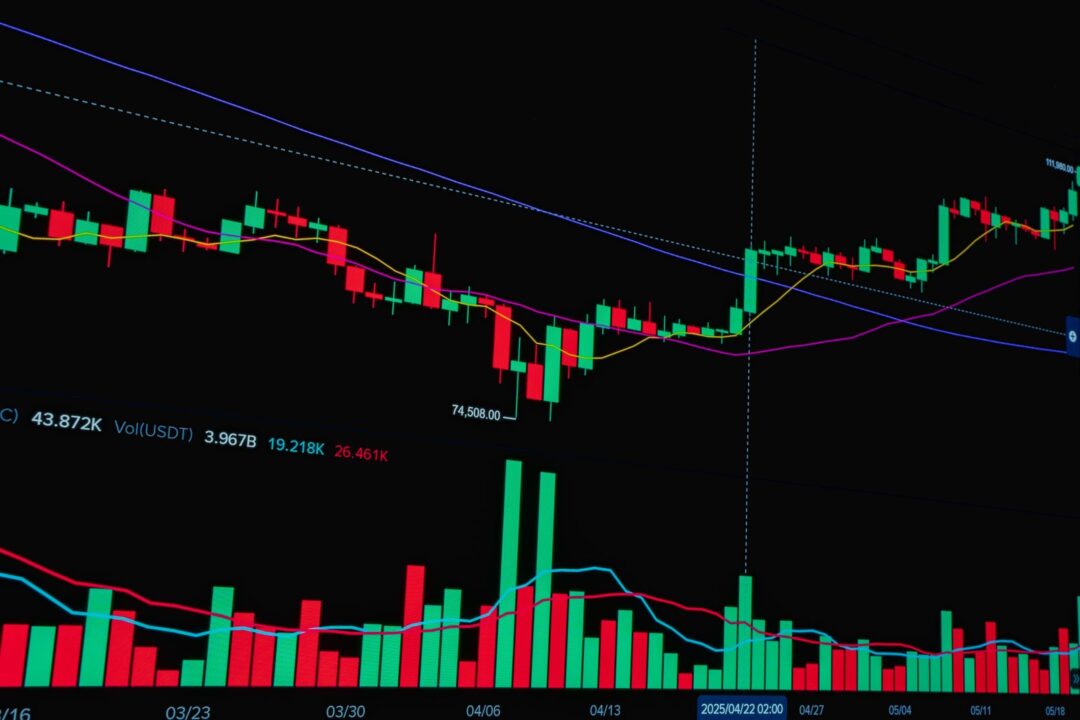
A massive crypto trade made around the time of a major U.S. tariff announcement has pushed the issue of insider trading back into the spotlight.
The House Oversight Committee is expanding its investigation into whether prediction markets and crypto platforms are doing enough to prevent traders from using confidential information for financial gain.
House Oversight Chairman James Comer has sent information requests to three platforms: Hyperliquid, Crypto.com, and Aristotle Exchange, the operator of PredictIt.
The companies are being asked to provide records covering customer identity checks, trading surveillance, suspicious activity controls, and regulatory compliance.
The investigation follows concerns over a large trade on Hyperliquid shortly before President Donald Trump announced that China would face 100% tariffs in October 2025.
According to the information cited in the investigation, a trader had built a leveraged short position worth about $1.1 billion in Bitcoin and Ether. The position reportedly generated more than $150 million in profit as cryptocurrency prices dropped.
Congress has not established that the trader knew about the tariff announcement in advance. However, the timing of the trade has raised questions about whether confidential information could have been involved.
The $1.1 Billion Hyperliquid Trade Raises Questions
Hyperliquid operates on blockchain technology, meaning its transactions can be publicly observed even when the identity behind a wallet is not immediately known.
Researchers reportedly connected the wallet involved in the trade to Garrett Jin, a former BitForex CEO. Jin has denied insider trading allegations and said he was trading for a client.
Comer’s letter to Hyperliquid CEO Jeff Yan asks for information about the platform’s identity-verification procedures, geographic restrictions, trading surveillance, and systems for reporting suspicious activity.
The chairman said, “As online prediction platforms grow and become more mainstream, some bad actors have exploited the platforms to make thousands of dollars by placing bets based on nonpublic information.”
The case has added pressure on platforms to demonstrate how they identify unusual trading activity and prevent people with access to confidential information from profiting from it.
Congress Broadens Its Focus Across Prediction Markets
The investigation is not limited to Hyperliquid. Crypto.com is being asked to explain differences in identity verification between its international exchange and its U.S. derivatives operation.
Congress is also examining whether employees could trade ahead of corporate announcements and whether government officials could place bets connected to cryptocurrency regulation.
PredictIt operator Aristotle Exchange faces questions about political-event trading, suspicious activity reporting, and changes to its trading limits.
The wider investigation began with scrutiny of Kalshi and Polymarket. It also follows an April federal indictment alleging that U.S. Army Master Sgt. Gannon Ken Van Dyke used classified military intelligence to make more than $409,000 through Polymarket wagers. The allegations have not been established as findings of guilt, and Van Dyke has pleaded not guilty.
According to the House Oversight Committee, Kalshi and Polymarket have already provided nearly 1,000 documents and five briefings.
The latest requests signal that Congress is widening its examination of how prediction and crypto markets monitor traders and respond to potential insider activity.