

Main Points :
- Coinbase may reconsider its support for the U.S. Digital Asset Market Structure Bill (the “Clarity Act”) if stablecoin yield provisions become too restrictive.
- The core dispute lies in whether indirect stablecoin yields offered by exchanges should be allowed, following the passage of the GENIUS Act.
- Banks and some lawmakers argue that allowing stablecoin yields could accelerate deposit outflows from traditional banking systems.
- Clear regulation could unlock large-scale blockchain adoption beyond crypto-native firms, including payments, supply chains, and corporate treasury management.
- The outcome of the Clarity Act may determine whether the U.S. remains competitive with jurisdictions such as the EU (MiCA) and the UAE.
1. Background: Why Stablecoin Yields Have Become a Regulatory Flashpoint
In January 2026, reports emerged that Coinbase, the largest publicly listed cryptocurrency exchange in the United States, is reassessing its support for the Digital Asset Market Structure Bill—widely known as the Clarity Act. According to sources cited by Bloomberg, Coinbase’s position hinges on how the bill ultimately treats stablecoin yields.
At first glance, the issue may appear narrow or technical. In reality, it sits at the intersection of monetary policy, banking stability, and the future architecture of digital finance.
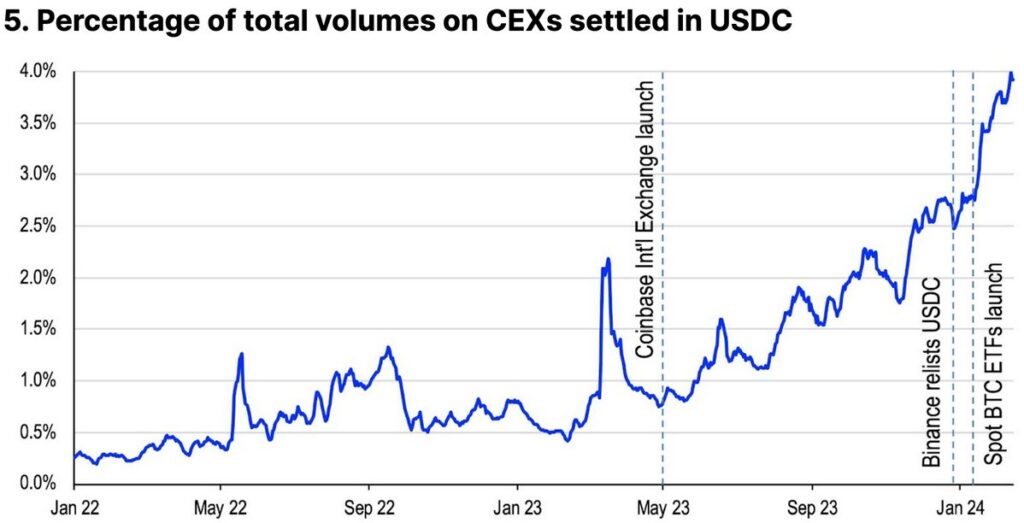
Stablecoins—particularly U.S. dollar–pegged tokens such as USDC—have evolved far beyond simple on-chain representations of fiat currency. They are increasingly used as settlement assets, treasury instruments, and liquidity buffers across centralized and decentralized platforms. When yields are attached to these assets, even indirectly, they begin to resemble interest-bearing accounts.
This resemblance is precisely what has alarmed both regulators and traditional financial institutions.
2. The GENIUS Act vs. the Clarity Act: Where the Line Is Drawn
The regulatory context is critical. The recently enacted GENIUS Act explicitly prohibits stablecoin issuers from directly paying yield to token holders. The intention is clear: issuers should function more like narrow banks or payment institutions, not like unregulated money market funds.
However, the GENIUS Act is notably silent on indirect yield mechanisms—situations where an exchange or platform, rather than the issuer, rewards users for holding stablecoins in custody.
This silence has opened a regulatory gray zone, and the Clarity Act is expected to address it directly.
Banks argue that allowing indirect yields creates a powerful incentive for users to move funds out of traditional deposits and into stablecoin-based ecosystems. From their perspective, this could weaken the banking system’s funding base, especially during periods of monetary tightening or financial stress.
Several Democratic lawmakers share this concern and have reportedly pushed for language that would restrict or prohibit such practices.
3. Coinbase’s Business Model and What Is at Stake
For Coinbase, the issue is not theoretical.
Through its subscription-based service Coinbase One, the company currently offers approximately 3.5% annual rewards on eligible customer balances, including USDC holdings. These rewards serve multiple strategic purposes:
- Encouraging users to hold assets on-platform rather than withdrawing them
- Increasing the velocity and stickiness of USDC within Coinbase’s ecosystem
- Generating ancillary revenue streams tied to custody, trading, and payments
If the Clarity Act were to prohibit such reward structures, Coinbase could face a meaningful decline in user engagement and related revenue.
From a strategic standpoint, this explains why Coinbase has signaled that it may withdraw its support for the bill depending on the final wording. Support for regulation, in this context, is conditional on whether the regulation preserves viable business models.
4. The Legislative Process: Why the Clarity Act Is Taking Time
The Clarity Act has already passed the U.S. House of Representatives with bipartisan support, signaling broad agreement on the need for a comprehensive digital asset framework. However, deliberations in the Senate are ongoing, and stablecoin yields remain one of the most contentious issues.
John D’Agostino, Coinbase’s Head of Institutional Strategy, commented to CNBC that the prolonged process is understandable. Unlike the GENIUS Act, which focuses narrowly on stablecoins, the Clarity Act attempts to define the structure of the entire digital asset market.
It covers custody, trading, settlement, payments, disclosures, and regulatory jurisdiction—making it inherently complex and politically sensitive.
5. Global Context: The Cost of U.S. Regulatory Delay
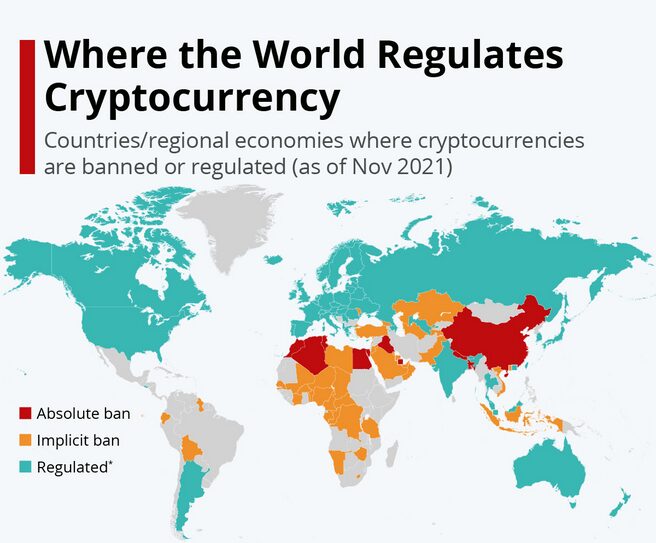
While U.S. lawmakers debate, other regions have moved ahead decisively.
In Europe, the Markets in Crypto-Assets Regulation (MiCA) has already come into force, providing legal certainty for issuers, exchanges, and institutional participants. Similarly, the United Arab Emirates has positioned itself as a crypto-friendly hub with clear licensing regimes and regulatory expectations.
The risk for the U.S. is not merely slower innovation, but talent and capital flight. Developers, entrepreneurs, and institutional players gravitate toward jurisdictions where the rules are known and stable.
D’Agostino has expressed confidence that the Clarity Act will ultimately pass in 2026, overcoming internal disagreements precisely because of these competitive pressures.
6. If the Clarity Act Passes: Who Benefits?
Should the Clarity Act be enacted with balanced provisions, its impact could extend far beyond the crypto industry.
Non-crypto-native companies—such as fashion brands, manufacturers, and global supply chain operators—would gain the confidence to integrate blockchain-based systems into their operations. Use cases include:
- Accepting payments in digital assets
- Managing cross-border settlements with stablecoins
- Tokenizing inventory or receivables
- Using blockchain for auditability and logistics tracking
The law is designed to cover the entire lifecycle of digital asset usage: customer transactions, payments, remittances, custody, and trading.
For Coinbase, this environment would reinforce its ambition to become an “all-in-one platform” serving enterprises worldwide, not just retail crypto traders.
7. Conclusion: A Single Clause, a Systemic Choice
At its core, the debate over stablecoin yields is not about Coinbase alone. It is about how society defines the boundary between banking and programmable money.
If yields are banned too broadly, innovation may stall or migrate offshore. If they are allowed without safeguards, traditional financial stability could be challenged.
The Clarity Act represents an attempt to strike this balance. Whether it succeeds will shape not only the future of U.S. crypto markets, but the role of blockchain in global finance over the next decade.
