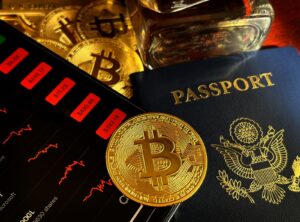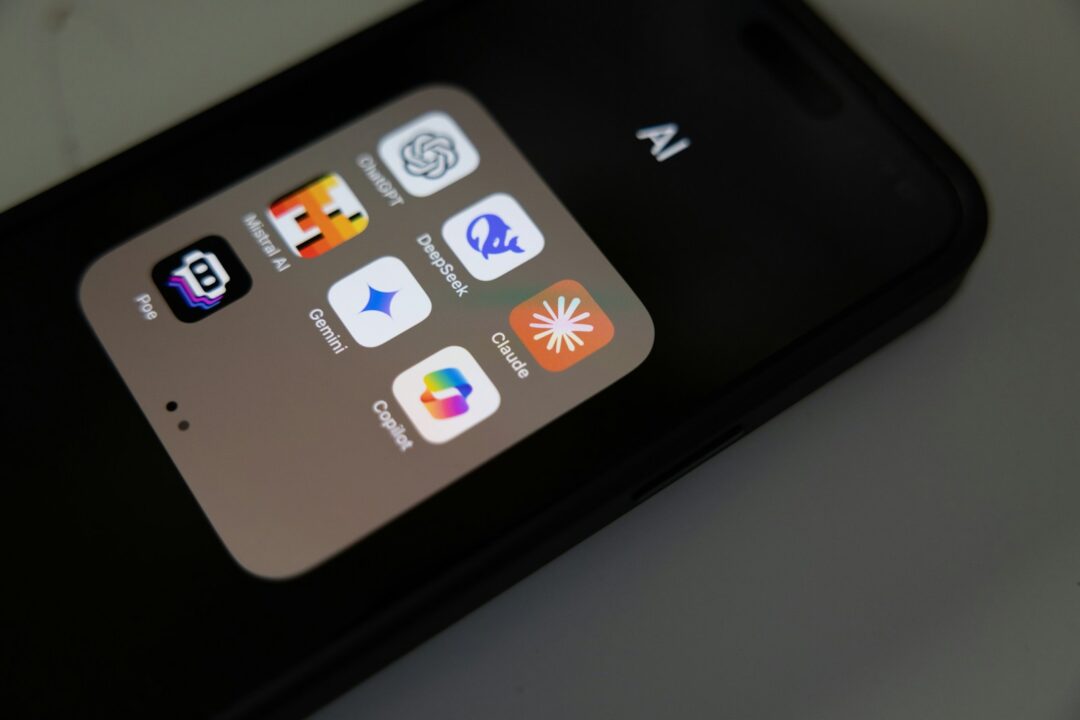
Bitcoin holder with username Cprkrn went viral after revealing that he had regained access to 5 Bitcoins (BTCs), valued at nearly $400,000, with the help of Anthropic’s artificial intelligence (AI) chatbot Claude.
The user shared on X (Twitter) that the wallet had been locked since his college days, when he changed the password while high and promptly forgot it. For years, he reported to have attempted trillions of password combinations without success.
Claude’s Recovery Process
The breakthrough came when Claude analyzed old files from his college computer, identifying a wallet.dat file predating the password change.
Combined with an old mnemonic phrase, this allowed him to finally unlock the wallet.
It was revealed that the password itself was “lol420fuckthePOLICE!*:)”, a reminder of youthful recklessness, but the recovery underscored the enduring value of Bitcoin and the growing utility of AI in solving complex problems.
Does AI have a Role in Cryptocurrency?
This incident illustrates how AI is increasingly intertwined with cryptocurrency.
Importantly, Claude did not “hack” Bitcoin’s security, which remains robust. Instead, it acted as a sophisticated assistant, helping the user organize data and recognize patterns that humans might overlook.
This distinction matters: AI is not undermining blockchain’s cryptographic strength but enhancing human capacity to interact with it.
For traders and investors, this suggests AI could become a vital tool in managing digital assets, from recovering lost wallets to analyzing market trends.
However, the story also raises concerns. If AI can help recover forgotten passwords, it may also be used maliciously to exploit vulnerabilities in human behavior, such as weak password practices or poorly stored seed phrases.
The line between assistance and exploitation is thin, and as AI becomes more powerful, regulators and exchanges will need to address these risks.
The Double-Edged Sword of AI in Crypto
The connection between AI and cryptocurrency is both promising and perilous.
On the positive side, AI can democratize access to wealth by helping individuals recover lost assets and by providing advanced tools for market analysis.
However, it introduces new risks, from potential misuse in phishing attacks to systemic vulnerabilities if traders rely too heavily on automated systems.
The global market must therefore balance innovation with caution.
Regulators may need to establish guidelines for AI-assisted recovery services, ensuring they are used responsibly.
Exchanges could integrate AI tools to help customers manage wallets securely, but they must also guard against exploitation.
Lessons for Traders and Investors
For individual traders, the case is a reminder of the importance of secure but accessible storage.
While blockchain technology ensures that coins cannot be arbitrarily seized, human error remains the greatest vulnerability.
AI may provide solutions, but prevention—through careful password management and backup of seed phrases—remains the best strategy.
For institutional investors, the incident underscores the potential of AI to enhance asset management.
Firms may increasingly deploy AI to audit old records, recover dormant funds, and optimize trading.
This could lead to more efficient markets but also raises ethical questions about data privacy and the extent to which AI should be trusted with sensitive financial information.