
Main Points :
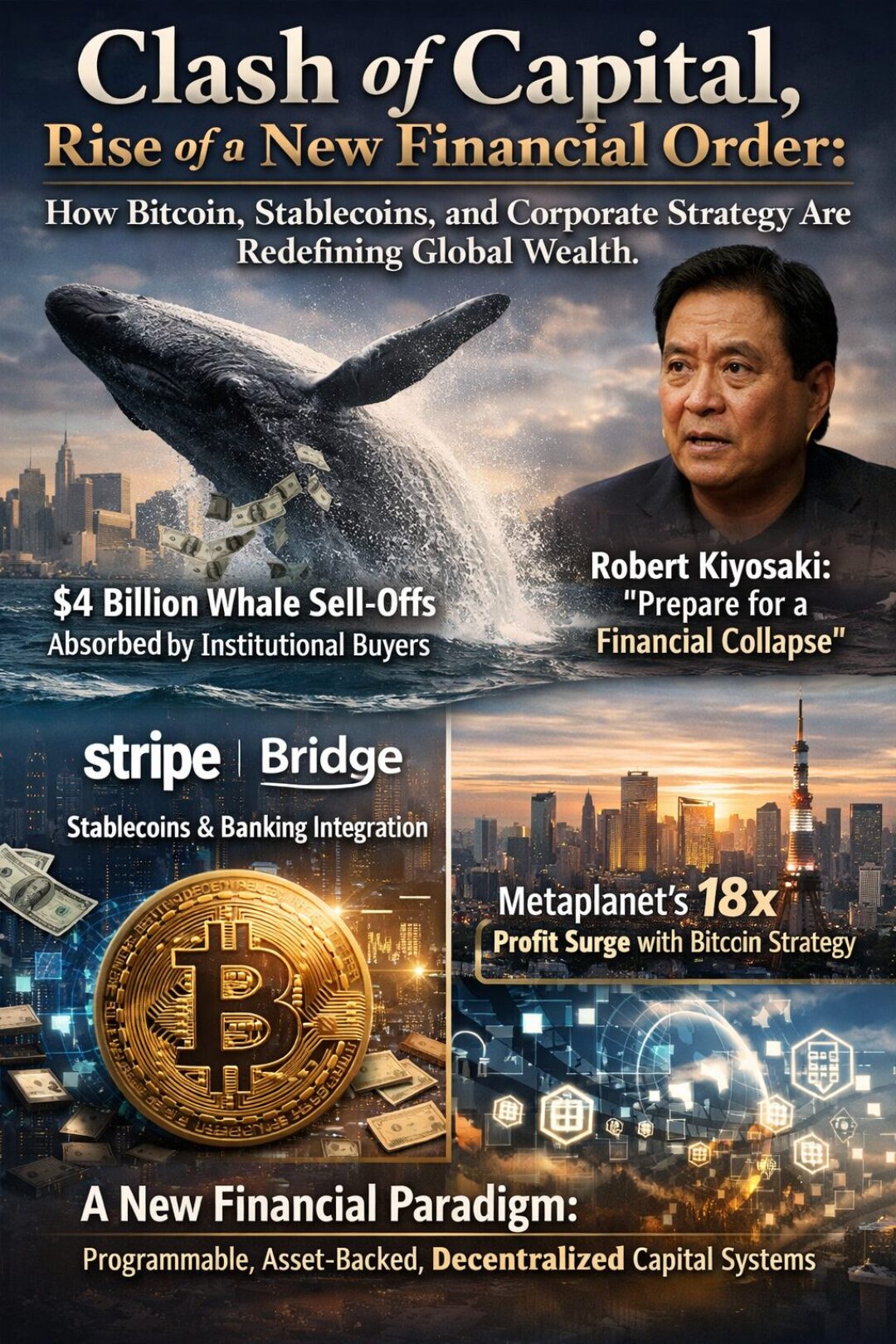
- Massive whale sell-offs (≈ $4 billion equivalent) are being absorbed by aggressive institutional buyers
- Influential voices like Robert Kiyosaki warn of systemic financial collapse
- Stablecoin infrastructure is merging with banking through firms like Stripe and its subsidiary Bridge
- Japanese firm Metaplanet achieved ~18x operating profit growth, driven by Bitcoin strategy
- A new financial paradigm is emerging: programmable, asset-backed, decentralized capital systems
1. When Whales Sell and Corporations Buy: A Market at War with Itself
The modern financial market has transformed into a battlefield defined not by retail sentiment, but by opposing forces of enormous capital. On one side, so-called “whales”—large holders of crypto and financial assets—have recently offloaded roughly ¥600 billion (≈ $4 billion USD) in just a matter of days. Such movements would historically trigger cascading panic.
Yet something unusual is happening.
Instead of collapse, markets are being absorbed—almost aggressively—by corporate and institutional buyers. This is not passive accumulation. It is conviction-driven capital deployment at scale.
This divergence reflects a deeper shift. Influential figures such as Robert Kiyosaki continue to warn of an impending systemic breakdown in traditional finance. Their message is not new—but the response from institutions is.
Rather than retreating, they are leaning in.
This behavior suggests that major capital allocators increasingly view market corrections not as risks, but as strategic entry points into a post-fiat financial system.
2. The End of Cash Illusion: Inflation as a Structural Threat
At the core of this behavior lies a simple realization: holding cash is no longer safe.
In a world where central banks continue to expand money supply, fiat currencies face continuous dilution. Institutional investors—armed with macroeconomic data and forward-looking models—are acutely aware of this reality.
This creates a binary outcome:
- Those who remain in cash face gradual wealth erosion
- Those who reallocate into scarce or programmable assets may achieve generational gains
Market corrections, therefore, act as a filtering mechanism—rewarding preparation and punishing complacency.
This is why, even during violent downturns, large capital does not exit entirely. Instead, it rotates.
3. Stablecoins Enter the Banking System: A Historic Turning Point
Perhaps the most significant structural shift is occurring not in price charts—but in financial infrastructure.
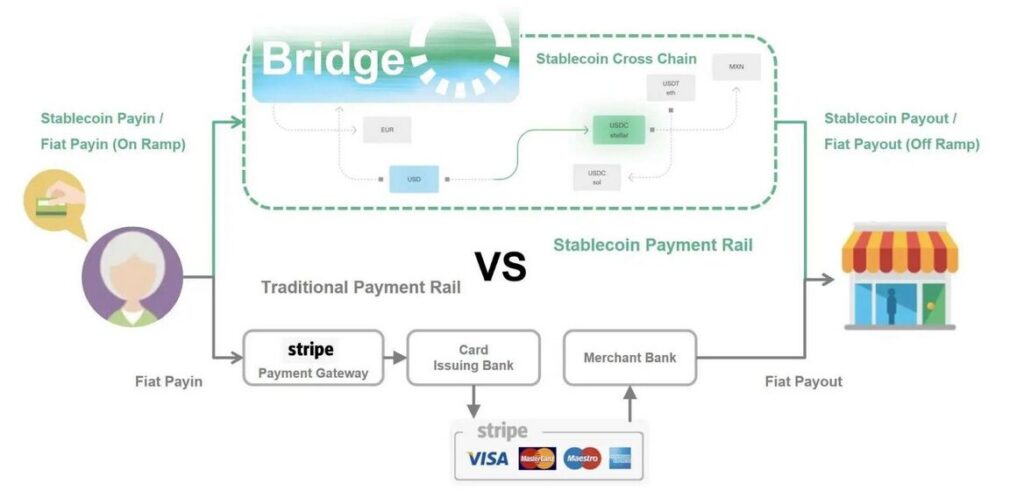
Stripe’s subsidiary Bridge has reportedly received conditional approval from U.S. regulators to establish a national trust bank.
This is a watershed moment.
For years, stablecoins existed outside the traditional banking system—viewed as parallel instruments. That boundary is now collapsing.
If finalized, this structure would allow Bridge to:
- Access Federal Reserve payment rails
- Operate with direct dollar liquidity
- Integrate stablecoins into regulated financial flows
This is not merely regulatory progress. It is the beginning of financial convergence.
Stablecoin Banking Integration Model

The implications are profound:
- Cross-border payments could settle instantly
- Corporate payroll may move onto blockchain rails
- Banking intermediaries could be structurally bypassed
This represents a direct challenge to legacy institutions, which have historically relied on friction, delays, and regulatory barriers as economic moats.
4. The Rise of Programmable Money and Financial Efficiency
The evolution of stablecoins into regulated banking entities marks the transition from money as static value to money as programmable infrastructure.
Unlike traditional systems:
- Transactions can be automated
- Compliance can be embedded
- Settlement becomes instantaneous
This aligns with broader trends seen across blockchain ecosystems:
- Real-time settlement networks
- Tokenized assets
- Smart contract-driven finance
In effect, the financial system is being rewritten—from a trust-based model to a mathematics-based system of verification.
5. Japan’s Corporate Awakening: Metaplanet’s Bitcoin Strategy
While global infrastructure evolves, a parallel revolution is unfolding at the corporate level.
Metaplanet has emerged as a striking example of this shift.
In its 2025 fiscal results, the company reported:
- Operating profit of approximately ¥6.3 billion (≈ $42 million USD)
- Nearly 18x year-over-year growth
This was not driven solely by operational improvements.
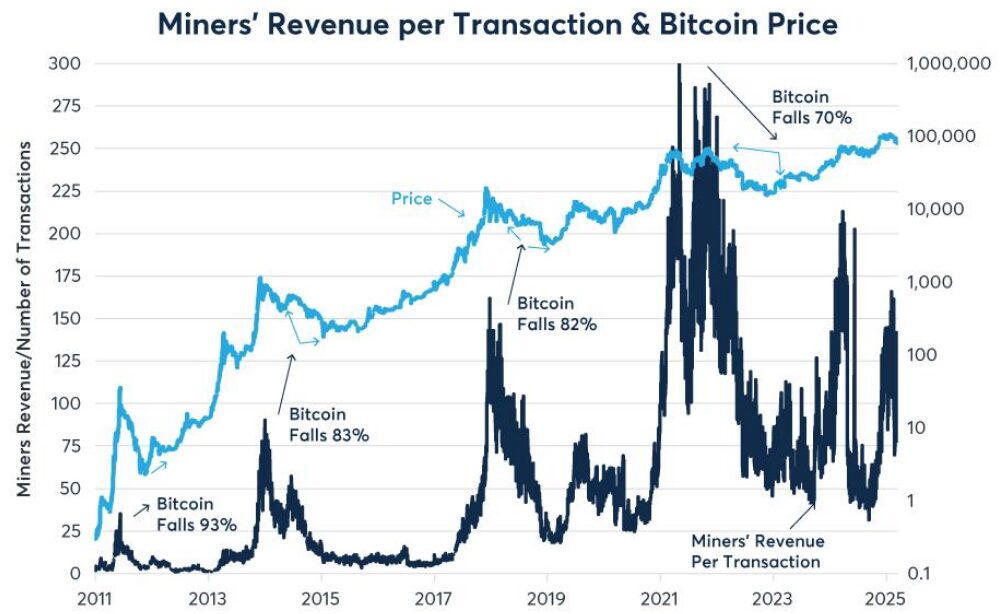
The primary catalyst was a bold treasury decision: allocating capital into Bitcoin.
Corporate Bitcoin Treasury Growth Model
This approach mirrors strategies previously seen in Western firms, but its adoption in Japan marks a cultural and financial turning point.
Traditionally conservative Japanese corporations have favored cash reserves. However, in an inflationary environment, such reserves become liabilities.
Metaplanet’s strategy demonstrates:
- Bitcoin as a treasury asset
- Balance sheet appreciation through digital assets
- A hedge against fiat depreciation
6. A New Corporate Playbook: Asset Quality Over Revenue Alone
This shift introduces a new framework for evaluating companies.
Historically, corporate value was driven by:
- Revenue growth
- Profit margins
- Market share
Today, an additional dimension is emerging:
- Asset composition and strategic reserves
Companies that hold appreciating, scarce, or yield-generating digital assets may outperform those relying purely on operations.
This is particularly relevant for:
- Emerging markets with inflation exposure
- Fintech and crypto-native firms
- Corporations seeking alternative capital efficiency
7. Global Trends Reinforcing This Shift (2025–2026)
Beyond the referenced developments, broader industry trends reinforce this transformation:
Institutional Expansion into Crypto
- Major asset managers continue launching Bitcoin and Ethereum ETFs
- Sovereign funds are exploring digital asset exposure
Stablecoin Growth
- Total stablecoin supply continues to expand
- Usage in remittances and payments is accelerating
Tokenization of Real-World Assets
- Bonds, equities, and commodities are increasingly tokenized
- Financial markets are becoming interoperable with blockchain
Regulatory Alignment
- Jurisdictions are formalizing crypto frameworks
- Banking integration is accelerating globally
These trends collectively point toward inevitable convergence between traditional finance and decentralized systems.
8. The Emerging Economic Order: Two Extremes Converging
What we are witnessing is not a linear evolution—but a structural bifurcation:
- Asset-Backed Representation (Traditional Extension)
- Autonomous Trust Systems (Decentralized Finance)
These two forces are not mutually exclusive—they are converging.
The result is a hybrid system where:
- Trust is algorithmic
- Value is programmable
- Institutions coexist with decentralized infrastructure
Conclusion: A Generational Inflection Point
The current market environment—defined by whale sell-offs, institutional accumulation, stablecoin banking integration, and corporate Bitcoin adoption—is not noise.
It is signal.
We are entering a phase where:
- Financial infrastructure is being rebuilt
- Corporate strategies are being rewritten
- Wealth preservation is being redefined
For investors, builders, and institutions alike, the implications are clear:
The next decade will not be about choosing between traditional finance and crypto—but about understanding how they merge.
Those who recognize this early will not merely survive the transition—they will define it.



