
Key Takeaways :
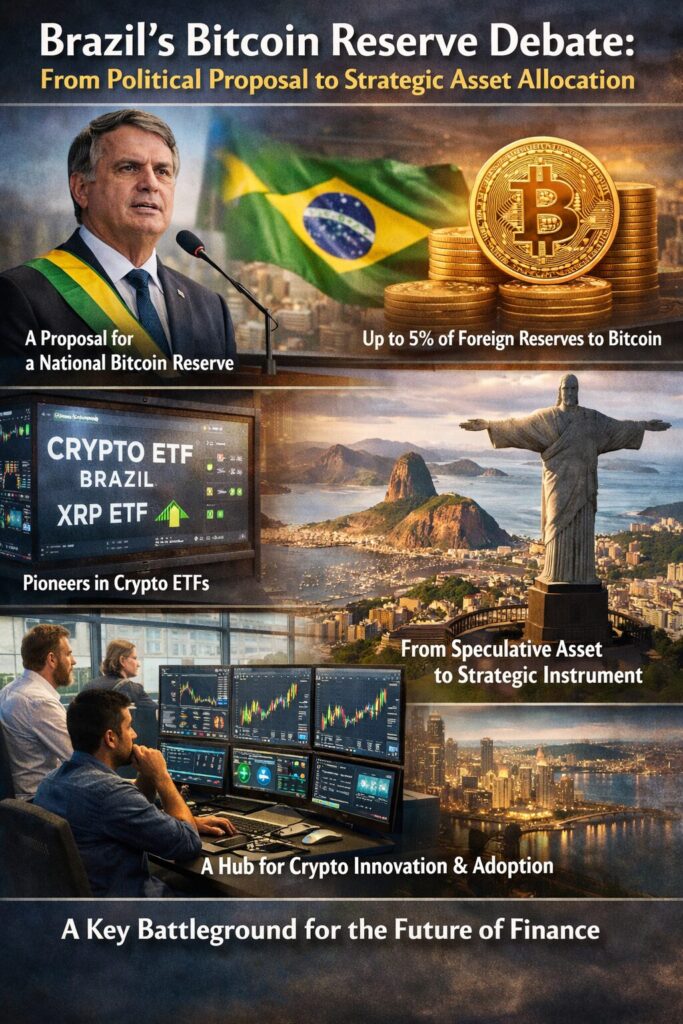
- A Brazilian presidential candidate has formally proposed the creation of a national Bitcoin reserve, citing El Salvador as a precedent.
- Support for Bitcoin at the institutional and legislative level in Brazil is expanding, including proposals to allocate up to 5% of foreign reserves to BTC.
- Brazil is already a global pioneer in crypto ETFs, including the world’s first spot XRP ETF.
- The debate reflects a broader global trend: Bitcoin transitioning from speculative asset to strategic monetary instrument.
- For investors and builders, Brazil represents a high-signal jurisdiction for future crypto adoption, infrastructure, and public-sector blockchain use.
1. Brazil Enters the Bitcoin Sovereign Reserve Conversation
In early January 2026, Brazilian crypto and political discourse took a decisive turn. According to reporting by DL News, Renan Santos, a presidential candidate for Brazil’s 2026 election, publicly argued that Brazil should establish a strategic national Bitcoin (BTC) reserve.
Santos made the remarks during a podcast interview, framing Bitcoin not merely as a speculative asset, but as a strategic monetary hedge—one that Brazil could begin accumulating without radical disruption to its existing financial system.
“Countries such as El Salvador have already done this. Brazil can also begin constructing a Bitcoin reserve,” Santos stated.
This proposal places Brazil among a growing list of countries exploring Bitcoin not as a private investment, but as sovereign financial infrastructure.
2. Who Is Renan Santos and Why His Proposal Matters
Renan Santos is not a fringe political figure. He is the founder of the Missão Party and a co-founder of the Free Brazil Movement (MBL), a right-leaning political organization established in 2014.
The Missão Party received formal registration from Brazil’s Superior Electoral Court in November 2025 and has announced plans to field candidates for all major political offices in the 2026 election cycle.
Santos’ platform combines:
- Fiscal reform
- Anti-corruption initiatives
- Digital modernization of government
- Strategic Bitcoin accumulation
Importantly, Bitcoin is not presented as a meme or protest asset—but as a state-level reserve tool.
3. Learning from El Salvador: A Reference Model, Not a Copy
Santos explicitly referenced El Salvador’s Bitcoin policy under President Nayib Bukele, but his tone suggested adaptation rather than imitation.
【El Salvador’s Bitcoin Accumulation Timeline】
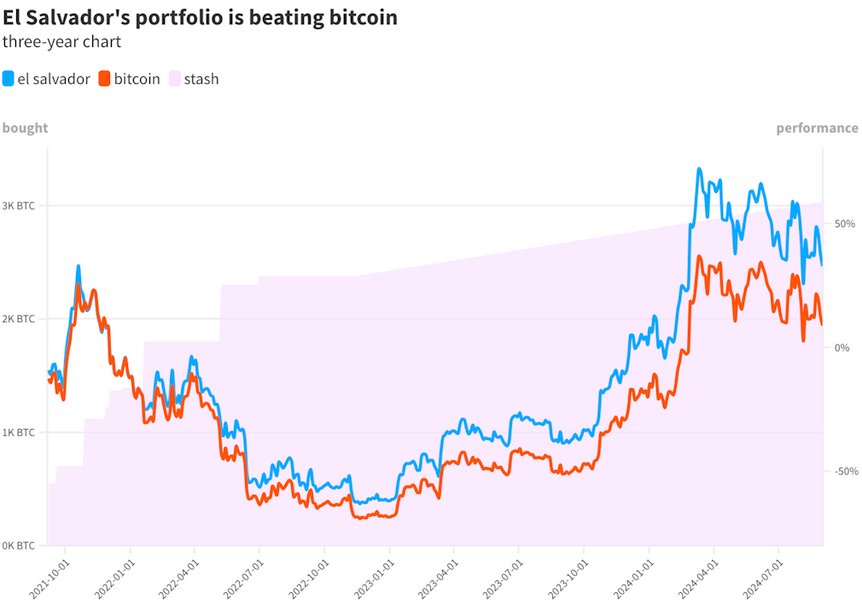
While El Salvador made Bitcoin legal tender and accumulated BTC aggressively, Brazil’s proposal is far more conservative:
- No legal-tender mandate
- No forced adoption
- Focus on reserve diversification
This distinction is crucial for institutional credibility.
4. Legislative Momentum: Bitcoin Already Inside Brazil’s Policy Pipeline
Santos’ proposal does not exist in isolation.
In November 2024, Congressman Eros Biondini submitted legislation proposing that up to 5% of Brazil’s international reserves be held in Bitcoin. The bill passed the Economic Development Committee in June 2025 and remains under active review.
Furthermore, in March 2025, Pedro Giocondo Guerra, chief aide to President Luiz Inácio Lula da Silva, stated publicly:
“Seriously discussing the creation of a Bitcoin reserve is in the public interest and critical to our prosperity.”
This marks a notable shift: Bitcoin is no longer a partisan issue, but a macro-strategic discussion.
5. Brazil as a Global Crypto Infrastructure Leader
Brazil’s credibility in this debate stems from its track record.
【Brazil’s Crypto ETF Milestones】
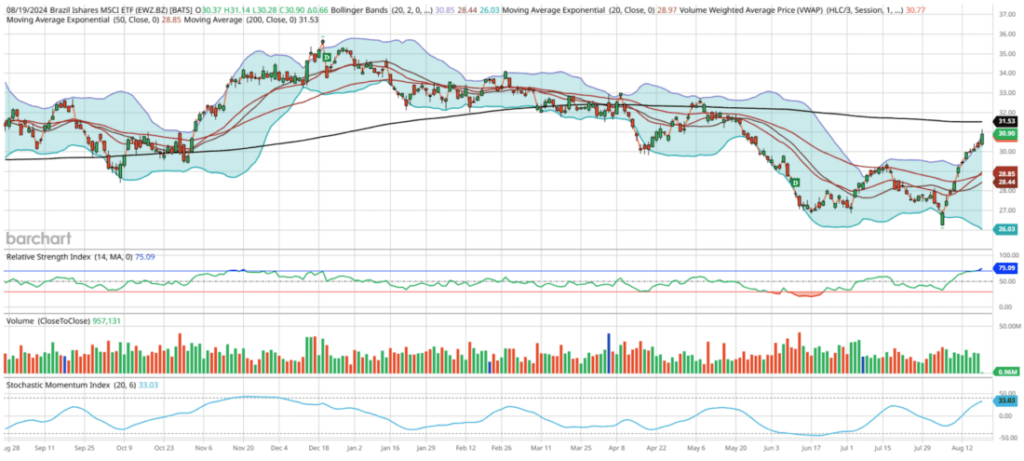
Key milestones include:
- First Latin American country to approve spot Bitcoin ETFs
- February 2025: approval of the world’s first spot XRP ETF
- Active regulatory dialogue with exchanges, custodians, and banks
These developments position Brazil as a regulatory sandbox with real capital at stake, not a speculative outlier.
6. Strategic Rationale: Why Bitcoin as a Reserve Asset?
From a financial-strategy perspective, Bitcoin offers:
- Non-sovereign monetary neutrality
- Resistance to inflationary debasement
- Global liquidity (24/7 markets)
- No counterparty risk when self-custodied
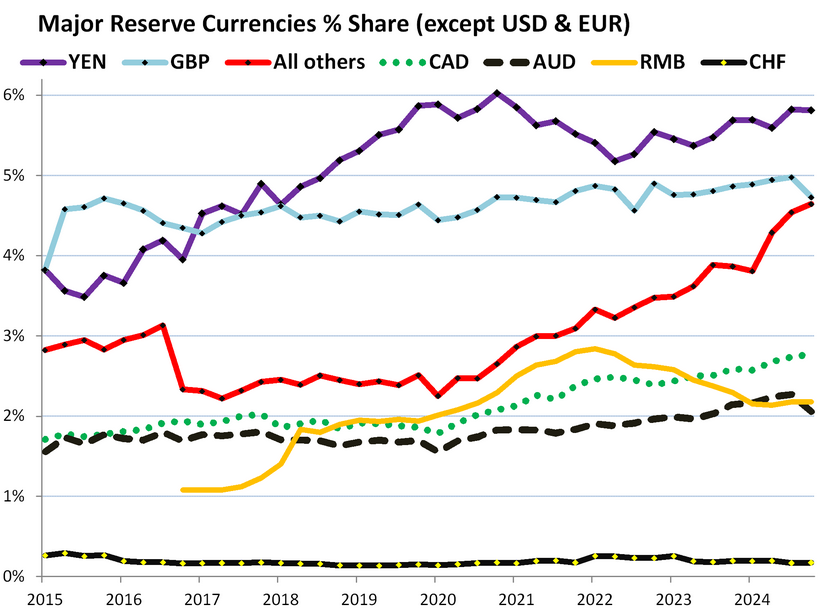
For a country like Brazil—historically exposed to currency volatility and global capital cycles—Bitcoin represents a digital commodity reserve, comparable in role (though not behavior) to gold.
【Bitcoin vs Gold as Reserve Assets】
7. Beyond Reserves: Blockchain as an Anti-Corruption Tool
Santos’ platform extends beyond Bitcoin accumulation.
He proposes deploying blockchain technology across public administration, particularly in:
- Procurement
- Budget tracking
- Public contracts
- Audit trails
For emerging economies, blockchain-based transparency is often more impactful than monetary policy innovation.
This aligns Brazil with broader global experiments in on-chain governance, particularly in Latin America and parts of Asia.
8. Global Context: Brazil Is Not Alone
Brazil’s debate mirrors broader trends:
- Central banks exploring digital assets as reserve complements
- Sovereign wealth funds increasing indirect crypto exposure
- Institutional investors treating Bitcoin as macro insurance
Notably, major financial institutions—including Brazilian banking giants—have begun recommending small Bitcoin allocations (≈3%) within diversified portfolios.
9. Implications for Investors, Builders, and Institutions
For readers seeking:
- New crypto assets
- Next revenue opportunities
- Practical blockchain deployment
Brazil offers:
- A large domestic market
- Regulatory clarity
- Political legitimacy for Bitcoin
- Strong institutional on-ramps
This combination is rare—and often precedes accelerated ecosystem growth.
10. Conclusion: From Debate to Blueprint
Brazil’s Bitcoin reserve discussion is no longer hypothetical. It is:
- Politically endorsed
- Legislatively active
- Institutionally credible
Whether or not a Bitcoin reserve is implemented immediately, the direction of travel is clear: Bitcoin is entering the language of sovereign finance.
For long-term investors and builders, Brazil should be watched not as an experiment—but as a potential blueprint for large emerging economies.
