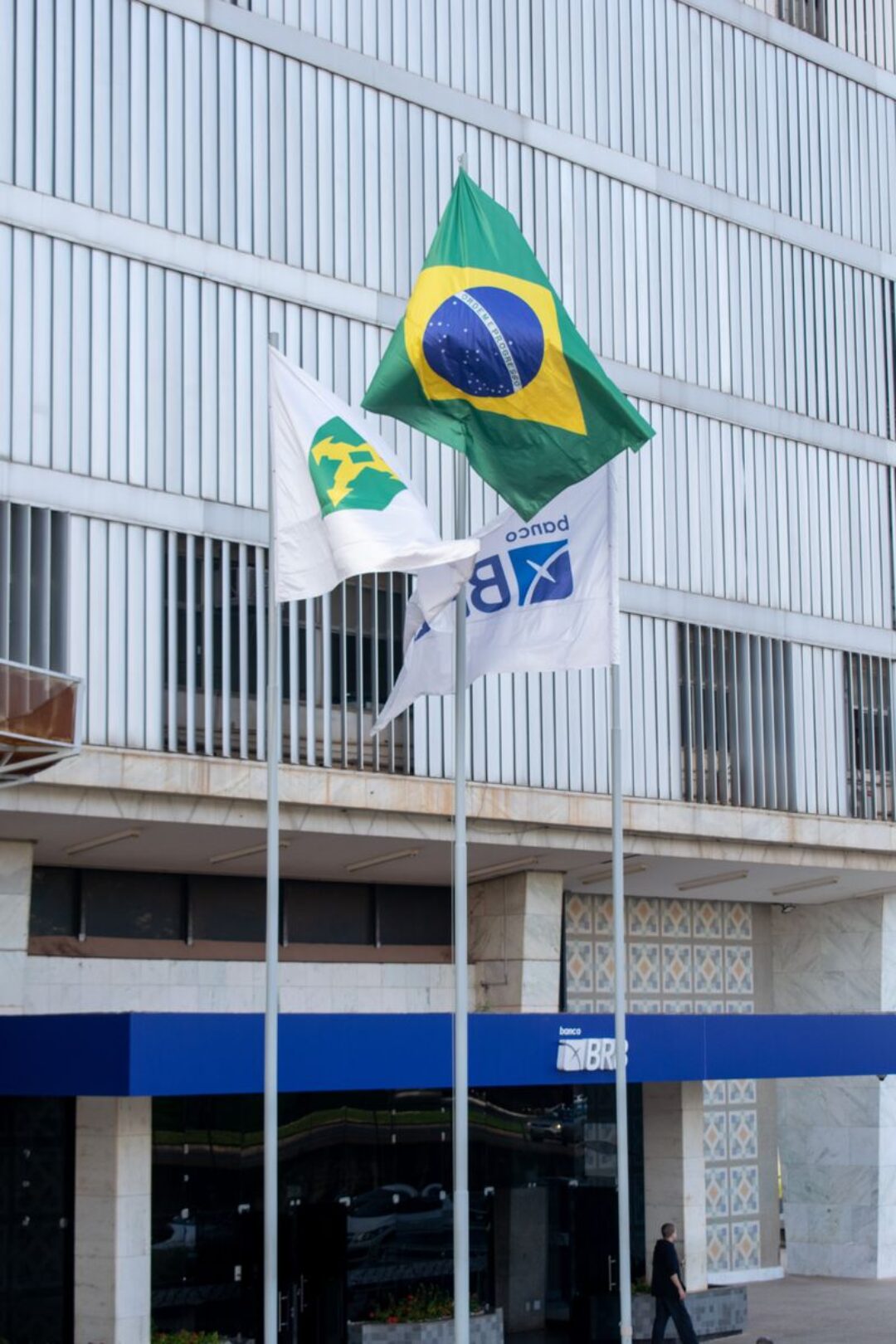
Brazil’s largest financial institutions are expanding their cryptocurrency services as new regulations bring greater structure to the country’s digital-asset market.
Itaú, Nubank, Banco do Brasil, Bradesco, and Santander have all increased customer access to crypto since 2025, allowing users to trade digital assets through platforms they already know and use.
Itaú currently offers 15 crypto assets, including Bitcoin, Ethereum, and USD Coin. Nubank has gone further, offering 28 digital assets to more than 7 million users on its crypto platform. Banco do Brasil also entered the market more directly, allowing customers to purchase Bitcoin and Ethereum beginning in January 2026.
Banks Keep Crypto Off Their Own Balance Sheets
While customer access is growing, Brazil’s banks are taking a cautious approach to their own exposure. The institutions are not holding cryptocurrencies as propriety assets on their balance sheets.
Instead, they provide services such as custody, brokerage, and order execution, allowing customers to invest without forcing the banks to take on the fill risks of crypto price volatility.
Central bank filings from March 2026 showed that Brazilian banks reported no virtual assets on their sheets.
This approach allows financial institutions to participate in the growing crypto economy while limiting their exposure to price, liquidity, and credit risks.
The banks also treat cryptocurrencies as high-risk investments and require customers to receive appropriate risk disclosures before trading.
New Rules Give Traditional Banks Greater Confidence
The expansion comes as Brazil strengthens its regulatory framework for virtual asset service providers. The Central Bank of Brazil introduced new rules at the end of 2025, with the framework taking effect in February 2026.
The regulations establish requirements covering authorization, capital adequacy, asset segregation, and proof of reserves.
These measures require crypto businesses to demonstrate that they have sufficient resources to operate, and that customer assets are properly separated from company funds.
For traditional banks, many of these requirements are already familiar. Carlos Akira Sato, co-founder of Syscapital, said regulatory clarity has made conservative banks “more secure to launch their products.”
A Fast-Growing Market Enters a More Regulated Era
Brazil’s growing crypto market provides a strong incentive for financial institutions to expand.
Crypto transaction volume reached R$505.5 billion ($98.7 billion) in 2025, up 22% from the previous year and 433% from 2020.
Stablecoins are also becoming increasingly important. Under Resolution 521, transactions involving dollar-pegged tokens are treated as foreign exchange operations.
Meanwhile, around 120 crypto companies face an October 30, 2026, licensing deadline.Together, these developments show Brazil moving toward a more regulated and institutional crypto market.
Banks are making digital assets easier for customers to access, while regulation helps create clearer boundaries around how those services can operate.