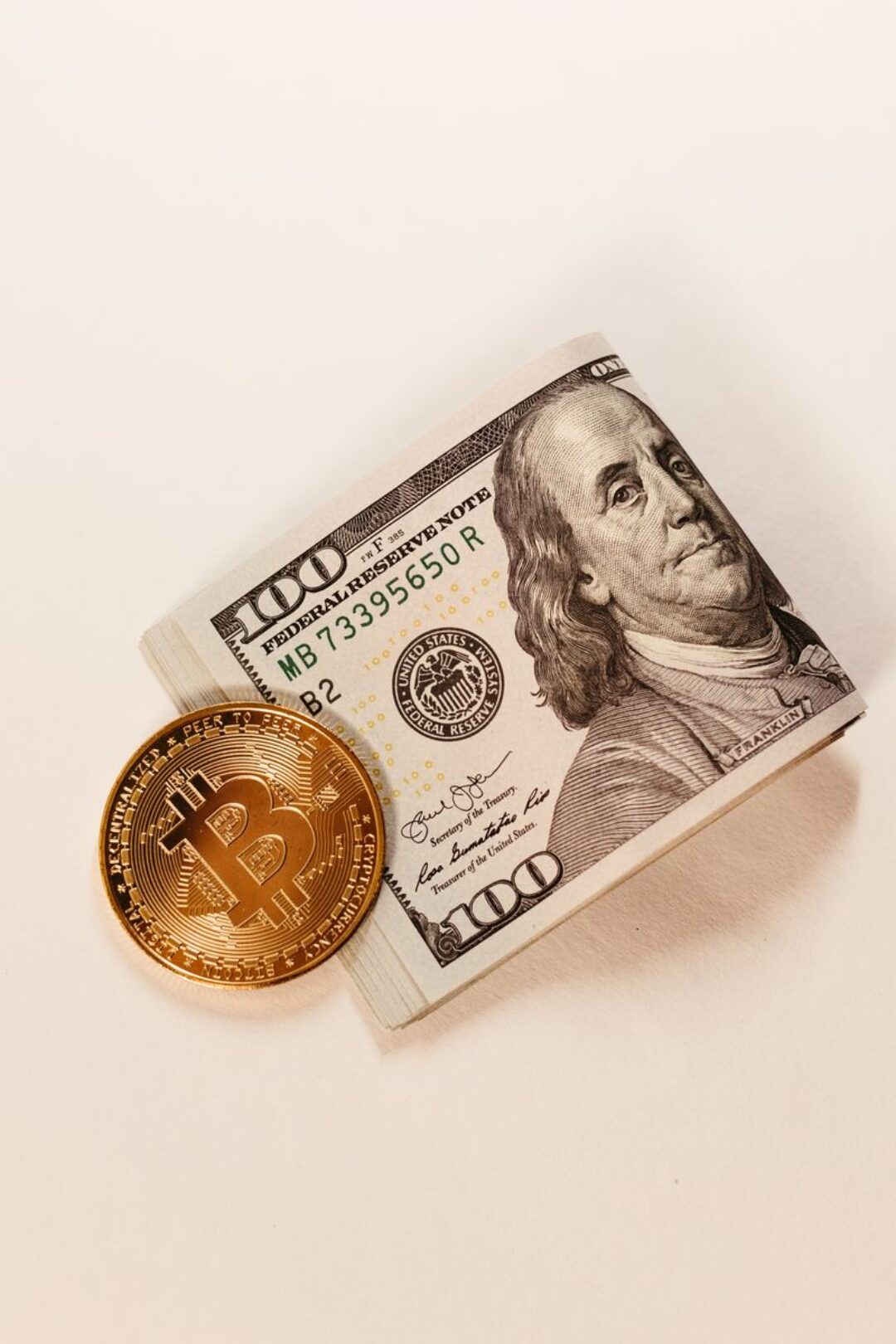
A Bitcoin reserve is an initiative by the United States to hold these virtual assets as key strategic assets in curbing inflation, stability, and diversification. Much like the reserve of dollars or gold, a holding in assets hedges the nation against externalities and internal issues.
The difference lies in the mechanism in which Bitcoin provides that hedge. Unlike other virtual assets, states recognize that Bitcoin is the ‘gold standard’ of cryptocurrency. This provides stability through the recognition that BTC is a widely held asset that involves millions of individuals, and a significant percentage of publicly held corporations. In fact, almost 8 percent of corporations hold Bitcoin as part of their diversification strategy.
Bitcoin as a reserve also serves as a market incentive towards the propulsion—or stabilizer—of its value. A state holding the virtual asset signals confidence, which follows with investor confidence; this could (with speculation) lead to Bitcoin’s growth in value over time.
And finally, Bitcoin acts as a diversification tool. Gold and dollars are just two of the diversified assets that states employ to mitigate economic risks. By adding Bitcoin, it creates another layer of hedging. If the three assets fluctuate, say, the additional hedge provides more of a stabilization effect.
Some states voice concern about the volatility resulting in differences in sentiment between states. Utah, Montana, North Dakota, Pennsylvania, South Dakota, and Wyoming, rejected the holding of Bitcoin as a reserve because of its speculative viability for public funding.
This said, states like Texas and New Hampshire have been strong proponents of the concept, passing bills that use Bitcoin seized from illicit activities to be part of the publicly held reserve ecosystem.
Bitcoin holdings is not yet a federal matter—rather, it is on the prerogative of individual states to determine whether or not the concept fits their economic needs. It is thus on a case-by-case basis, not a blanket solution. In other words, it is not a consensus that it is a universal good; but it is shows promise for some states.
This is a groundbreaking sentiment, regardless, for virtual assets. It has reached state-level recognition as a legitimate asset that could, with the reasons above, be a stabilizer, a hedge, and a diversifier.