
Main Points :
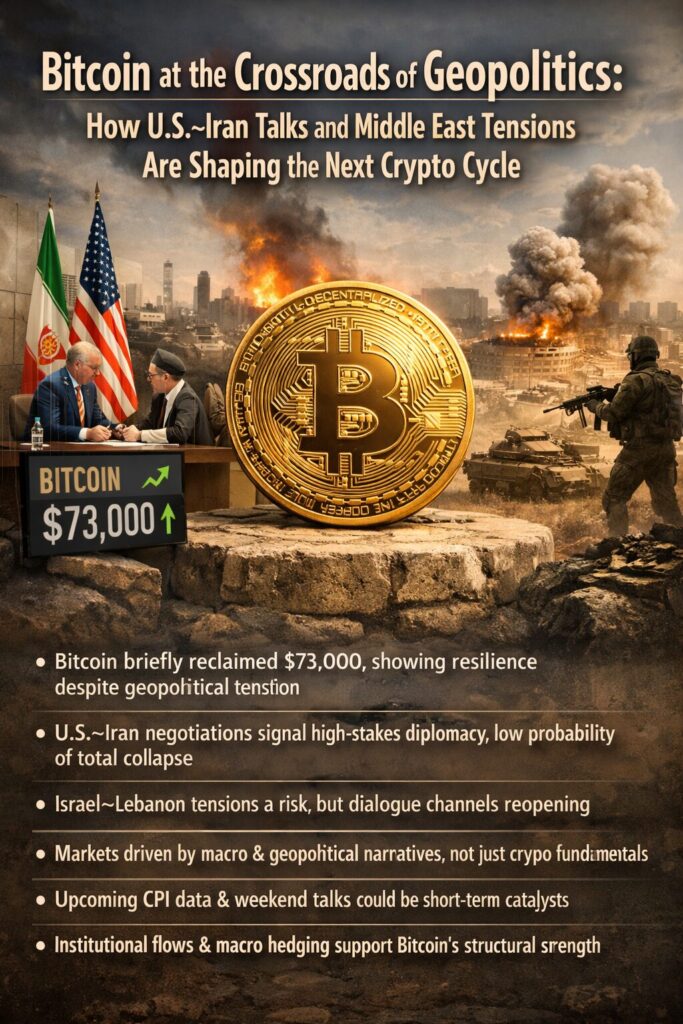
- Bitcoin briefly reclaimed the $73,000 level, showing resilience despite geopolitical tension
- U.S.–Iran negotiations signal high-stakes diplomacy but low probability of total collapse
- Israel–Lebanon tensions remain a risk, but dialogue channels are reopening
- Markets are increasingly driven by macro + geopolitical narratives, not just crypto fundamentals
- Upcoming CPI data and weekend negotiations could act as short-term catalysts
- Institutional flows and macro hedging behavior continue to support Bitcoin’s structural strength
1. A Market That Refuses to Break: Bitcoin’s Resilience Above $70,000
Bitcoin’s recent price action tells a story not of explosive growth—but of remarkable resilience.
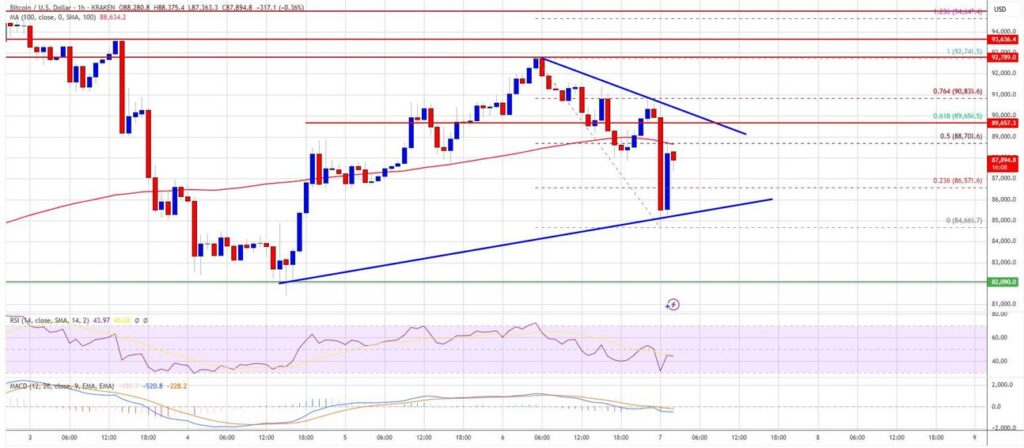
After facing repeated rejection near $73,000, the market consolidated around the $71,000 range, forming a tight trading band. From a technical standpoint, this behavior is significant. Markets that fail to break down under bearish pressure often indicate underlying strength, particularly when macro risks are elevated.
Earlier in the month, Bitcoin had shown weakness due to rising oil prices and geopolitical instability, breaking below key technical structures such as the ascending channel and Ichimoku cloud support. These signals typically suggest a bearish reversal. However, instead of accelerating downward, Bitcoin stabilized—and then rebounded.
The turning point came with the announcement of a temporary ceasefire, which triggered a rapid recovery back into the $72,000–$73,000 range. This move effectively neutralized earlier bearish signals and reintroduced a risk-on sentiment into the market.
This behavior highlights a crucial shift: Bitcoin is no longer purely a speculative asset—it is increasingly behaving like a macro-sensitive instrument, reacting dynamically to global events.
2. The U.S.–Iran Negotiations: High Stakes, Low Collapse Probability
At the center of the current narrative lies the U.S.–Iran negotiations, scheduled imminently.
Despite intense rhetoric and conflicting signals, the broader assessment is that neither side has an incentive to completely derail the process. While both nations continue to engage in strategic posturing—rejecting proposals, issuing counteroffers, and making public statements—the underlying trajectory remains one of cautious engagement.
The U.S. reportedly proposed a 15-point framework, which Iran rejected in favor of a 10-point counterproposal. Public messaging has been contradictory: at times optimistic, at times dismissive. Yet behind the scenes, there are indications that alternative compromise frameworks may exist.
The key sticking point remains nuclear development limitations. This issue is not merely political—it directly influences global energy markets, sanctions regimes, and ultimately, capital flows into risk assets like Bitcoin.
An interesting emerging concept is Iran’s potential demand for compensation through maritime mechanisms, such as transit fees in the Strait of Hormuz. If implemented, such measures could indirectly stabilize tensions while reshaping global trade costs.
For crypto investors, the takeaway is clear:
Geopolitics is no longer a background variable—it is a primary driver of market direction.
3. Israel–Lebanon Dynamics: Risk Factor or Controlled Escalation?
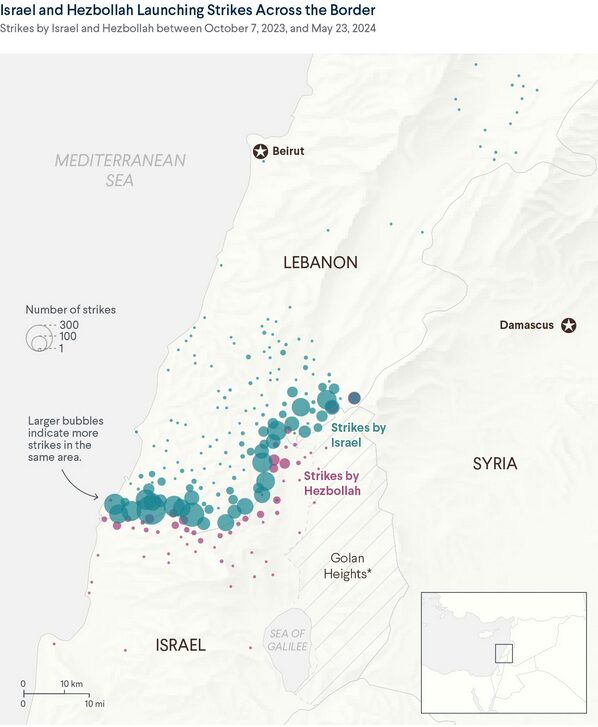
While the ceasefire narrative initially boosted markets, tensions quickly resurfaced as Israel launched large-scale strikes targeting Hezbollah, which was excluded from the ceasefire agreement.
This introduced renewed uncertainty, briefly weighing on Bitcoin prices. However, markets did not panic. Instead, they absorbed the news and stabilized, suggesting a growing maturity in how crypto reacts to geopolitical shocks.
More importantly, a planned meeting between Israel and the Lebanese government—reportedly in Washington next week—signals a potential pathway toward de-escalation.
The key uncertainty lies in Lebanon’s ability to influence Hezbollah. Historically, internal divisions have limited the government’s control. Nevertheless, even incremental diplomatic engagement is viewed positively by markets.
From an investment perspective, this situation represents a “contained risk” scenario:
- Escalation is possible
- But full-scale conflict remains unlikely
- Diplomatic channels are actively being pursued
This combination tends to support sideways or slightly bullish market conditions, rather than panic-driven sell-offs.
4. Oil, Inflation, and Bitcoin: The Macro Feedback Loop
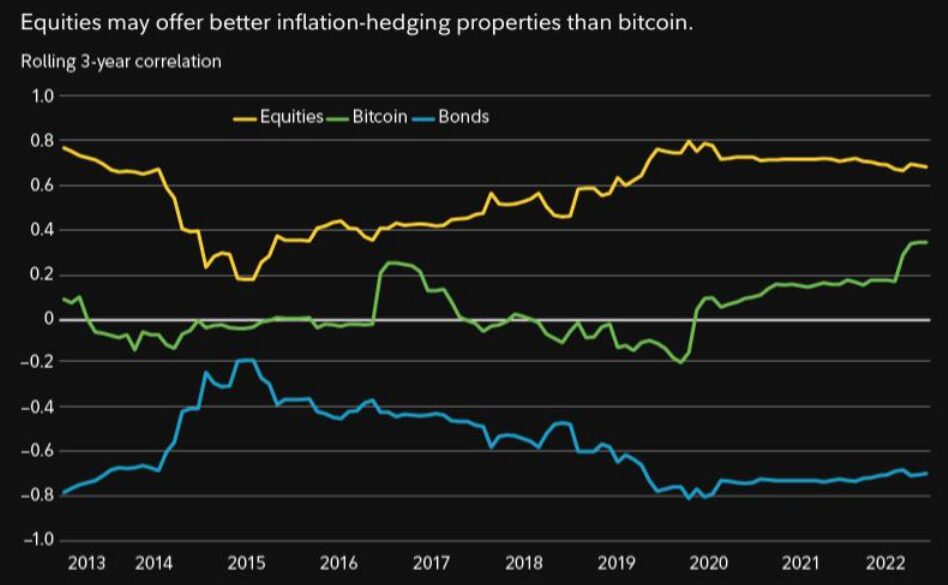
One of the most critical connections in the current market is the relationship between:
Oil prices → Inflation → Monetary expectations → Bitcoin
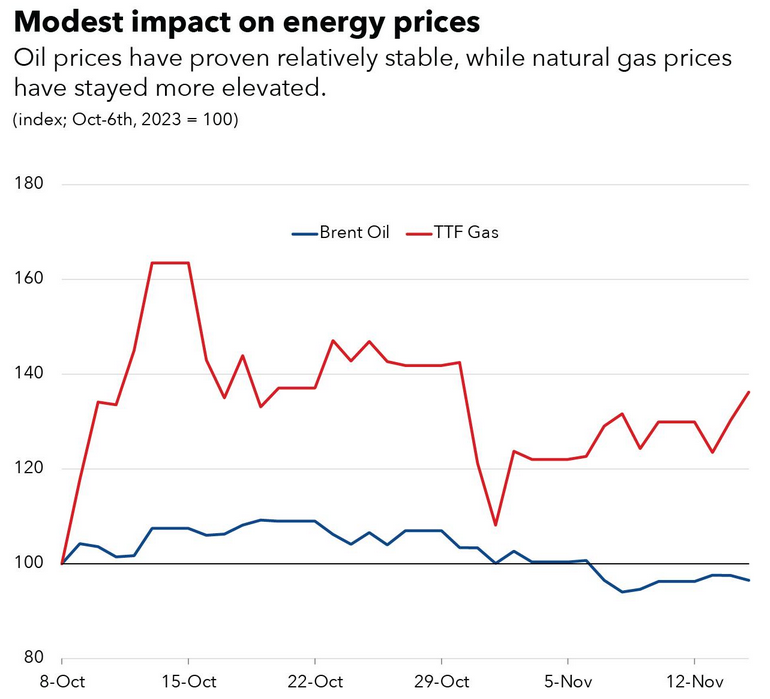
Recent fluctuations in oil prices—briefly exceeding $100 per barrel before retreating—have directly influenced market sentiment.
Higher oil prices tend to:
- Increase inflation expectations
- Pressure central banks to remain hawkish
- Reduce risk appetite
However, Bitcoin’s reaction has been nuanced.
Instead of simply declining, Bitcoin has increasingly acted as a hedge against macro uncertainty, particularly when geopolitical risks threaten traditional financial systems.
The upcoming U.S. CPI release is expected to show elevated headline inflation due to energy prices. However, markets are more focused on core inflation, projected around:
- +0.3% month-over-month
- +2.7% year-over-year
Still, even these figures may be secondary. As current market behavior suggests:
“Oil and geopolitics matter more than CPI prints—at least in the short term.”
5. The Weekend Effect: Why Crypto Never Sleeps
Unlike traditional markets, Bitcoin operates 24/7, making it uniquely sensitive to weekend developments.
This weekend is particularly critical, with:
- Formal U.S.–Iran negotiations
- Continued geopolitical signaling
- Market positioning ahead of next week’s Israel–Lebanon talks
Historically, such event clusters often lead to:
- Increased volatility
- Sharp directional moves
- Liquidity-driven price spikes
However, experienced investors are shifting away from reacting to headlines. Instead, they are focusing on:
- Actual policy outcomes
- Verified diplomatic progress
- Real-world actions, not statements
This reflects a maturation of the crypto market—from speculative trading to information-driven macro positioning.
6. Structural Trends: Institutional Capital and the New Role of Bitcoin
Beyond short-term movements, a deeper trend is emerging.
Bitcoin is increasingly being treated as:
- A macro hedge asset
- A geopolitical risk buffer
- A non-sovereign store of value
Institutional participation continues to grow, driven by:
- ETF inflows
- Sovereign diversification strategies
- Corporate treasury adoption
At the same time, volatility tied to geopolitical events is reinforcing Bitcoin’s role as a real-time barometer of global risk sentiment.
This is a significant evolution from previous cycles, where crypto markets were largely isolated from traditional finance.
7. What This Means for Investors Seeking the Next Opportunity
For readers looking for new crypto assets, yield opportunities, and practical blockchain applications, the implications are substantial:
1. Macro Awareness Is Now Essential
Crypto is no longer isolated. Understanding geopolitics and macroeconomics is critical for identifying opportunities.
2. Volatility Creates Entry Points
Short-term geopolitical shocks often create temporary mispricings, which can be exploited.
3. Infrastructure Plays May Outperform
Projects focused on:
- Cross-border payments
- Stablecoins
- Real-world asset tokenization
are likely to benefit from global uncertainty.
4. Bitcoin Remains the Anchor
Despite innovation in altcoins, Bitcoin continues to act as the core liquidity and sentiment driver.
Conclusion: A Market Defined by Diplomacy, Not Just Data
Bitcoin’s current trajectory is not being shaped solely by charts or on-chain metrics.
It is being shaped by:
- Diplomatic negotiations
- Energy markets
- Global power dynamics
The resilience above $70,000–$73,000 suggests that investors are increasingly viewing Bitcoin as a strategic asset, not just a speculative one.
As we move into a critical weekend of negotiations, the key is not to react emotionally to headlines—but to observe actions, assess incentives, and position accordingly.
The next phase of the crypto market may not be driven by technology alone—but by how effectively it integrates into the real-world geopolitical and financial system.
