
Main Points :
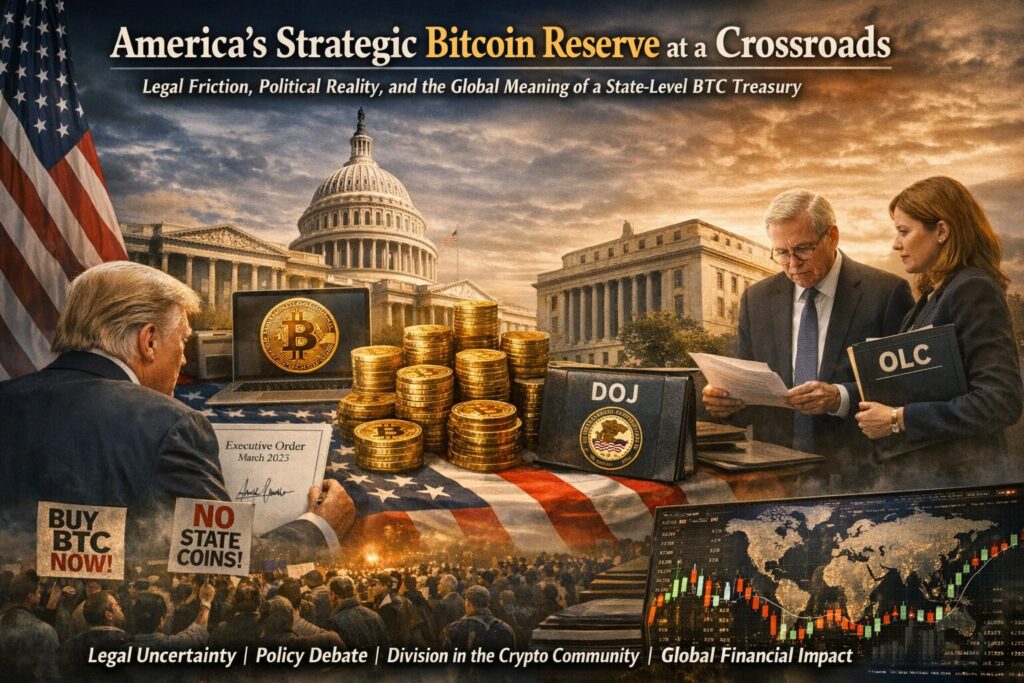
- The United States has taken symbolic but constrained steps toward establishing a Strategic Bitcoin Reserve, yet progress is slowed by complex and unclear legal interpretations inside the federal government.
- Despite an executive order signed by Donald Trump in March 2025, current policy restricts the reserve to already-held or seized Bitcoin, excluding open-market purchases.
- Legal review by the Department of Justice (DOJ) and the Office of Legal Counsel (OLC) has become the primary bottleneck, raising questions about which agencies may hold or acquire digital assets.
- The Bitcoin community remains divided—some see historic symbolism, while others criticize the lack of genuine accumulation strategy.
- Broader global and financial implications suggest that even a limited U.S. Bitcoin reserve could reshape sovereign asset management, FX hedging, and digital-asset geopolitics.
1. Introduction: A Historic Idea, Stuck in Legal Reality
The concept of the United States holding Bitcoin as a strategic reserve asset would have seemed unthinkable only a decade ago. Today, it is no longer hypothetical. According to senior officials within the White House, discussions around a national Bitcoin reserve are active, ongoing, and politically acknowledged.
Yet, despite executive intent, progress has stalled—not due to market volatility or technical uncertainty, but because of legal interpretation. Patrick Witt, Executive Director of the President’s Digital Asset Advisory Council, recently explained that while the idea appears simple on the surface, it becomes tangled when examined through the lens of U.S. administrative law.
At the heart of the issue lies a deceptively complex question: which government entities are legally permitted to acquire, hold, and manage Bitcoin, and under what authority?
2. The Executive Order: What Was Actually Authorized
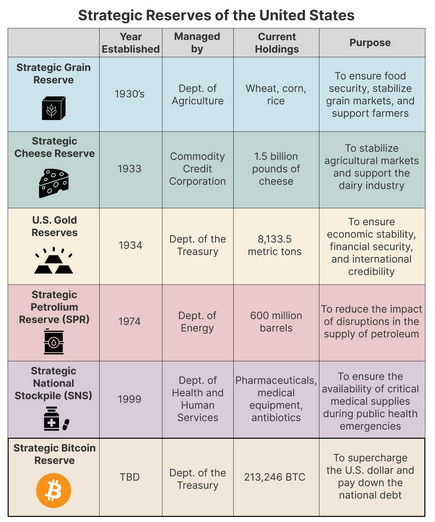
In March 2025, President Trump signed an executive order establishing:
- A Strategic Bitcoin Reserve, and
- A broader Digital Asset Stockpile that may include selected altcoins.
However, the order included a critical limitation:
The U.S. government is not authorized to purchase Bitcoin on the open market under this framework.
Instead, the reserve may only consist of:
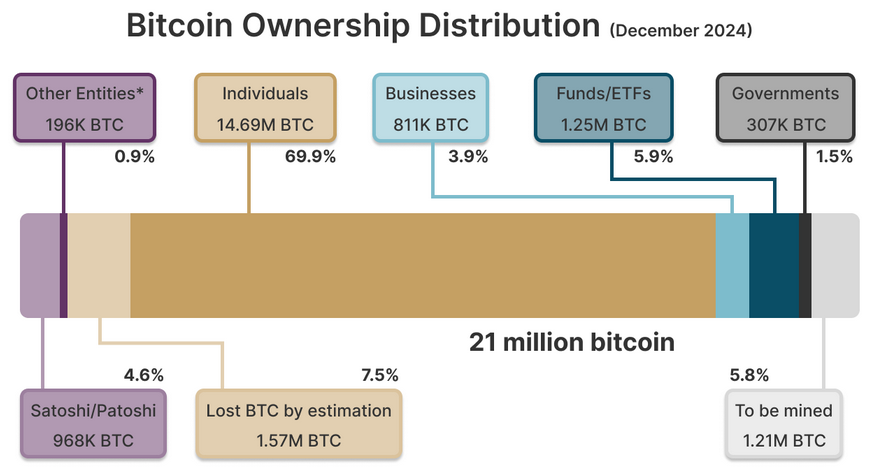
- Bitcoin already owned by the federal government, and
- Bitcoin seized through criminal or civil forfeiture proceedings.
From a legal standpoint, this was a conservative move—minimizing fiscal controversy and avoiding Congressional appropriation battles. From a market and strategic perspective, however, it significantly reduced the policy’s immediate impact.
3. Legal Bottlenecks: DOJ, OLC, and the Problem of “Who Can Hold What”
Patrick Witt described the legal process as “confusing,” not because of opposition, but because of fragmented statutory authority. Different agencies operate under different mandates:
- The Department of Justice oversees seized assets.
- The Treasury Department manages monetary and reserve policy.
- Independent agencies face restrictions on holding non-traditional assets.
In practice, this creates paradoxes:
- One agency may legally custody Bitcoin but cannot actively manage it.
- Another may manage reserves but lacks authority to acquire digital assets.
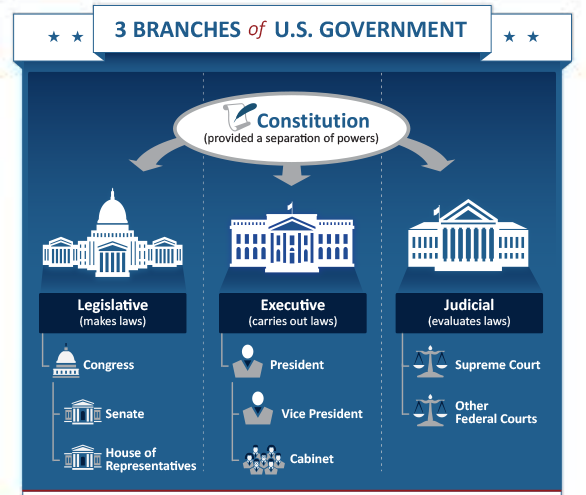
As a result, multiple agencies—including DOJ and the OLC—are currently debating interpretations of decades-old statutes that never anticipated cryptographic bearer assets with fixed supply.
This process, while slow, is not trivial bureaucracy. It represents the first serious attempt by a major sovereign state to reconcile Bitcoin with constitutional and administrative law.
4. Community Reaction: “Symbolism Without Substance?”
Reaction from the Bitcoin community has been mixed, and in many cases, sharply critical.
Bitcoin maximalist Justin Bechler summarized the skepticism bluntly, arguing that:
- A reserve built only from seized coins does not represent genuine strategic accumulation.
- Without open-market purchases, the policy lacks conviction and credibility.
From this viewpoint, the reserve resembles a passive holding rather than an intentional macroeconomic hedge. Critics also noted that a July 2025 White House report on digital asset policy failed to add further detail on Bitcoin reserves, reinforcing perceptions of stagnation.
For investors seeking signals of sovereign-level demand, this was widely seen as a missed opportunity.
5. A Counter-Narrative: Budget-Neutral Accumulation
Despite the criticism, a significant policy pivot emerged in August 2025. U.S. Treasury Secretary Scott Bessent suggested that Bitcoin acquisition might be possible without increasing the federal deficit.
Proposed mechanisms included:
- Rebalancing portions of existing reserve assets into Bitcoin.
- Using revaluation gains from legacy assets (such as metals or legacy holdings) to fund BTC purchases.
If implemented, such a strategy would:
- Avoid new taxation or borrowing.
- Align Bitcoin with traditional reserve-management practices.
- Open the door—at least legally—to market participation.
While still hypothetical, this proposal reignited optimism that the executive order was a first step rather than a final boundary.
6. Why a U.S. Bitcoin Reserve Matters Globally
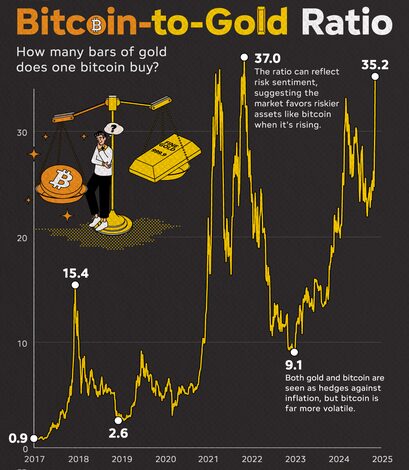
Even in its limited form, a U.S. Bitcoin reserve carries profound global implications.
6.1 Sovereign Signaling
When the world’s largest economy formally recognizes Bitcoin as a reserve-worthy asset, it legitimizes BTC beyond speculation—placing it in the same conceptual category as gold or foreign currency reserves.
6.2 FX and Inflation Hedging
Bitcoin’s fixed supply contrasts sharply with fiat currencies. For countries managing large fiscal deficits, BTC introduces a non-sovereign hedge against long-term monetary dilution.
6.3 Competitive Pressure on Other States
A U.S. move—even symbolic—pressures other governments to evaluate:
- Whether to follow,
- Whether to restrict, or
- Whether to compete through alternative digital reserve strategies.
7. Implications for Investors and Builders
For readers seeking new crypto assets, yield opportunities, or practical blockchain use cases, the message is nuanced but clear:
- Short-term price impact from U.S. reserve policy remains limited.
- Long-term structural demand is quietly being normalized.
- Infrastructure providers—custody, compliance, accounting, and reserve management—stand to benefit regardless of price action.
For builders, this is not about speculation but institutional alignment. Bitcoin is being translated, slowly and imperfectly, into the language of states.
8. Conclusion: Slow, Imperfect, but Irreversible
The U.S. Strategic Bitcoin Reserve is not yet the bold accumulation strategy many hoped for. It is constrained, legally cautious, and politically negotiated. Yet history rarely moves in straight lines.
What matters is not how much Bitcoin the U.S. holds today, but the precedent it is setting:
that Bitcoin is no longer outside the sovereign imagination.
Legal friction may delay execution, but the conceptual shift is already complete. Once a reserve asset enters policy debate at this level, it does not disappear—it evolves.
