MiCA, A Brief Background on the Compliance Framework
According to the European Securities and Markets Authority (ESMA), the “Markets in Crypto-Assets Regulation (MiCA) institutes uniform EU market rules for crypto-assets. The regulation covers crypto-assets that are not currently regulated by existing financial services legislation.
Key provisions for those issuing and trading crypto-assets (including asset-reference tokens and e-money tokens) cover transparency, disclosure, authorization and supervision of transactions. The new legal framework supports market integrity and financial stability by regulating public offers of crypto-assets and by ensuring consumers are better informed about their associated risks.”
Coverage of MiCA, A Breakdown of Measures and Requirements
MiCA covers the following areas:
- Sustainability indicators
- Business continuity requirements
- Trade transparency data and order book record-keeping
- Record keeping requirements for CASPs
- Classification and templates and format of crypto-asset white papers
- Public disclosure of inside information
- Qualification of crypto-assets as financial instruments
- Monitoring, detection, and notification of market abuse
- Investor protection
- Reverse solicitation
- Suitability of advice and portfolio management services to the client
- Policies and procedures for crypto-asset transfer services, including clients’ rights
- System resilience and security access protocols
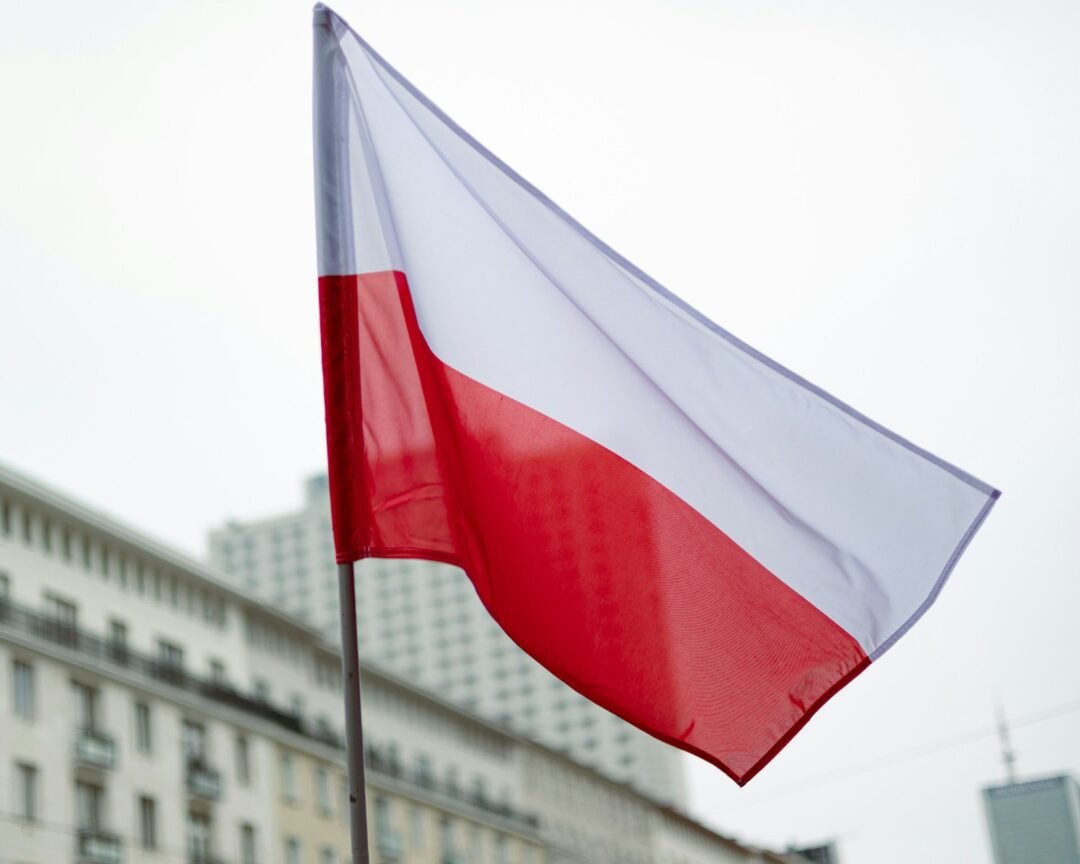
Why is Poland Facing Difficulties? Expense and Lack of Authorities
“Aside from issuers of electronic money tokens (EMTs), there are no government agencies overseeing activities subject to MiCA regulation”, a spokesperson from the Polish Financial Supervisory Authority revealed.
“Currently, Polish cryptocurrency operators do not have the means to obtain CASP approval domestically … companies must obtain CASP authorization in another EU member state and operate their business in Poland using a “passport (mutual recognition system).”
The cost of MiCA approval and delays in regulatory development will force many cryptocurrency operators to withdraw from the market.
Outlook for 2,000 Polish Companies
It is the expense and lack of authoritative bodies in Poland that make the process of being MiCA-compliant difficult for cryptocurrency platforms and companies.
As MiCA is a comprehensive and evolving framework, companies must catch up and seek approval from other EU countries, which delays and hinders the process. Thus, for the over 2,000 cryptocurrency platforms in Poland, they face difficulty with compliance.