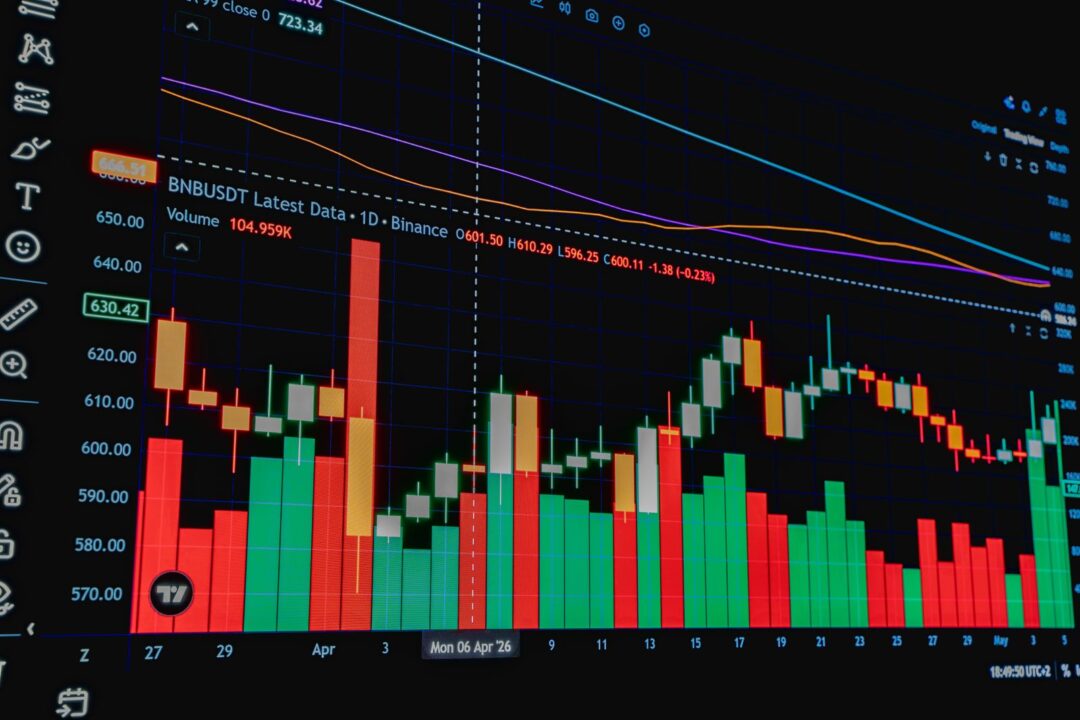
Binance is once again under scrutiny in the European Union (EU) as regulators examine whether the exchange continued operating in certain EU markets despite missing the Markets in Crypto‑Assets (MiCA) licensing deadline.
The review, triggered by reports that Binance maintained services in jurisdictions where it had not secured authorization, underscores the EU’s increasingly assertive enforcement posture as MiCA transitions from policy to practice.
The situation shows the tension between global crypto platforms and Europe’s new regulatory architecture—one designed to standardize oversight, protect consumers, and prevent regulatory arbitrage across the bloc.
Binance Under EU Probe
EU authorities are reviewing Binance’s activities after the exchange failed to obtain MiCA authorization before the July 1, 2026 deadline.
Under MiCA, crypto‑asset service providers must secure approval to operate legally within the EU, with strict requirements covering custody, trading, stablecoin issuance, and consumer protection.
Binance had previously withdrawn license applications in several EU countries—including Germany, the Netherlands, and Cyprus—citing strategic restructuring. The exchange also announced service suspensions in multiple jurisdictions ahead of MiCA’s enforcement.
However, reports indicate that certain Binance services remained accessible to EU users even after the deadline, prompting regulators to investigate whether the company continued operating without authorization.
EU officials have not yet issued formal findings, but the review reflects growing concerns that some global exchanges may be attempting to navigate MiCA’s requirements inconsistently across member states.
The European Banking Authority (EBA) and European Securities and Markets Authority (ESMA) have repeatedly warned that non‑compliant platforms will face enforcement actions, including forced shutdowns, fines, and market‑access restrictions.
Binance, for its part, maintains that it is working closely with regulators and adjusting its operations to meet MiCA’s standards.
The exchange has emphasized that certain services—such as wallet access or limited trading functions—may remain available depending on local interpretations of MiCA’s transitional provisions.
What Regulators Are Examining
The EU’s review centers on whether Binance’s remaining services constitute “continued operation” under MiCA.
Even if the exchange suspended core trading functions, residual access—such as viewing balances, initiating withdrawals, or accessing limited trading pairs—may fall under regulatory definitions of active service provision.
MiCA’s transitional provisions allow certain activities to continue temporarily, but only under specific conditions and with clear regulatory communication. Regulators are assessing whether Binance’s post‑deadline operations align with these provisions or whether the platform exceeded what is permissible during transition.
Authorities are also evaluating whether Binance’s communication to users accurately reflected the scope of suspended services. Clear disclosures are a core requirement under MiCA, and regulators may examine whether users were adequately informed about changes to platform availability.
The review may extend to Binance’s relationships with local entities, payment partners, and service providers. Under MiCA, indirect service provision—such as enabling EU users to access services through third‑party channels—may still constitute unauthorized operation.
Impact on the European Crypto Market
The review of Binance may influence how other exchanges approach MiCA compliance.
Platforms that have delayed licensing applications or attempted partial compliance may accelerate efforts to avoid similar scrutiny. Early MiCA‑authorized exchanges may gain competitive advantages, including passporting rights and enhanced regulatory credibility.
The situation may also affect user behavior. If Binance faces restrictions or suspensions, EU users may migrate to fully authorized platforms. This could reshape market share distribution across the region.
Institutional players may also adjust strategies. Banks, fintech firms, and asset managers exploring digital‑asset services may prefer partnerships with MiCA‑compliant platforms, reinforcing the importance of full authorization.