
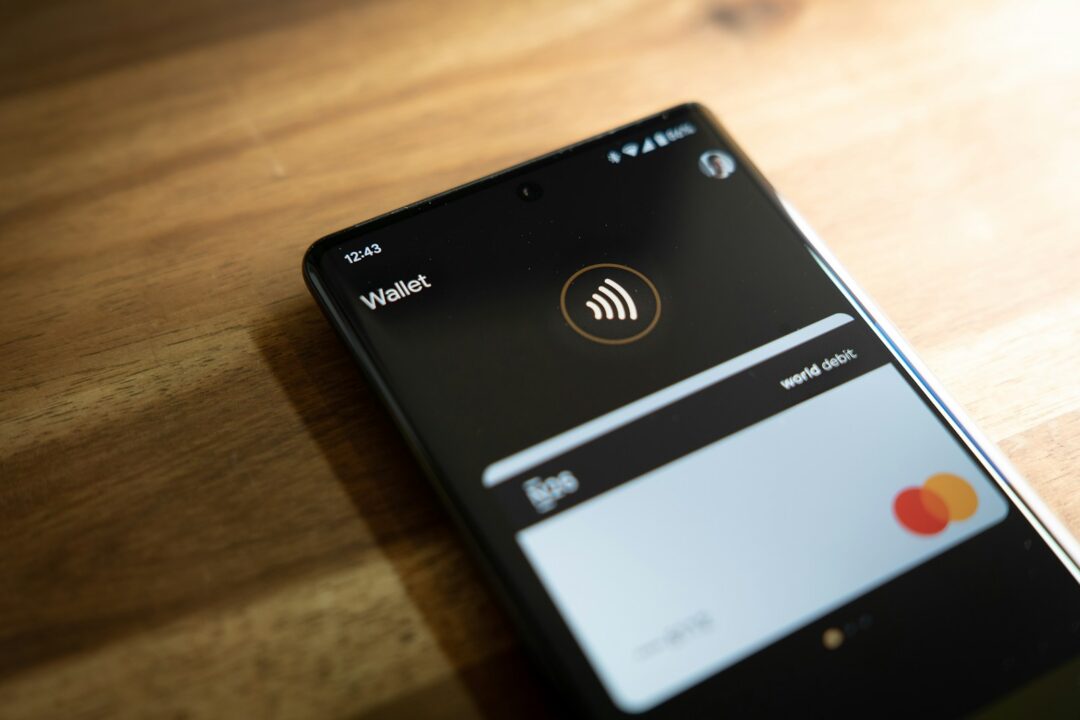
The continuous growth in digital wallet use shows how consumers use them for travel, payments, and cross-border transactions.
But, the growing use of digital wallets is also creating opportunities for scammers and criminals to use these technologies for fraud and money laundering.
Digital Wallets for Travel and Payments
On September 2, Alipay+ and S&P Global published a study about how digital wallets, artificial intelligence (AI), and interoperability are becoming important for consumers’ travel and payment methods when crossing borders.
The study covered 6,000 consumers from nine markets across Asia, Europe, and the United States about their cross-border spending habits.
It showed that consumers are increasingly expecting their e-wallets to do more than just provide payment services. Consumers want travel services, rewards, shopping, and AI-powered features to be included in the one e-wallet platform.
The report showed that AI adoption is increasing, especially when consumers use AI to discover or plan their travel.
Around 81.3% of consumers said they already use AI-powered tools to explore destinations and gain new experiences, but consumers are still cautious when using AI for actual payment transactions.
Moreover, around 73.2% are open to using AI for booking hotels and flights, but only 26% are interested in using AI for payments and autonomous decision-making. Privacy is a concern for 43% of the respondents.
Consumers also want digital wallets to be more connected and useful during travel. Mobile payments are preferred for spending on food, shopping, and attractions, while cards remain commonly used for pre-trip bookings.
However, 53% remain uncertain about merchant acceptance, while 54% lack access to their preferred payment methods. Because of this, one in four consumers still carry cash as a backup payment.
HKMA Warns About Payment Scams in Digital Wallets
As the use of digital wallets and mobile payments increases, they are also becoming targets for scammers.
On September 4, the Hong Kong Monetary Authority (HKMA) warned the public about phishing scams involving the unauthorized binding of payment cards to contactless mobile payment services.
The regulator stated that it received reports from banks about scams involving payment cards, including automated teller machine (ATM) cards.
Fraudsters pretended to be merchants or other organizations and contacted victims through phishing messages, fake websites, or phone calls. They used reasons such as offering compensation for goods to trick victims into sharing their payment card information and ATM PINs.
The scammers then convinced victims to approve requests to bind their cards to devices controlled by the criminals through mobile banking applications or two-way SMS messages. Once the cards were linked, the criminals used them to make unauthorized transactions.
The HKMA reminded the public that card binding is a high-risk activity. It advised the public not to click links from unknown sources or share their card information, ATM PINs, passwords, or OTPs. People should also avoid approving unfamiliar requests or transactions.
FATF Finds Digital Wallets Being Used in Money Laundering
The risks involving digital wallets also extend beyond scams and unauthorized payments.
A report published on September 3 by the Financial Action Task Force (FATF), a global financial crime watchdog and anti-money laundering and counter-terrorist financing standard setter, highlighted how underground banking, hawala, and other similar service providers can be used to support money laundering and terrorist financing.
The FATF reviewed evidence from more than 50 jurisdictions and found that over 80% of reporting jurisdictions identified underground banking and similar services as major money laundering channels.
Criminals are also using new technologies in these activities. Around 70% of respondents identified the growing use of technology, including the “digital hawala.”
Criminals can use messaging apps to coordinate transfers, while customers can send money through bank transfers, mobile wallets, fintech applications, and instant payment systems. Virtual assets like stablecoins can also be used to settle balances between operators.
The FATF stated that these technologies can make money laundering faster and help criminals hide their activities and expand their reach.
It called for stronger detection and enforcement, clearer rules, and better cooperation between governments and private companies to disrupt these illegal networks.


