
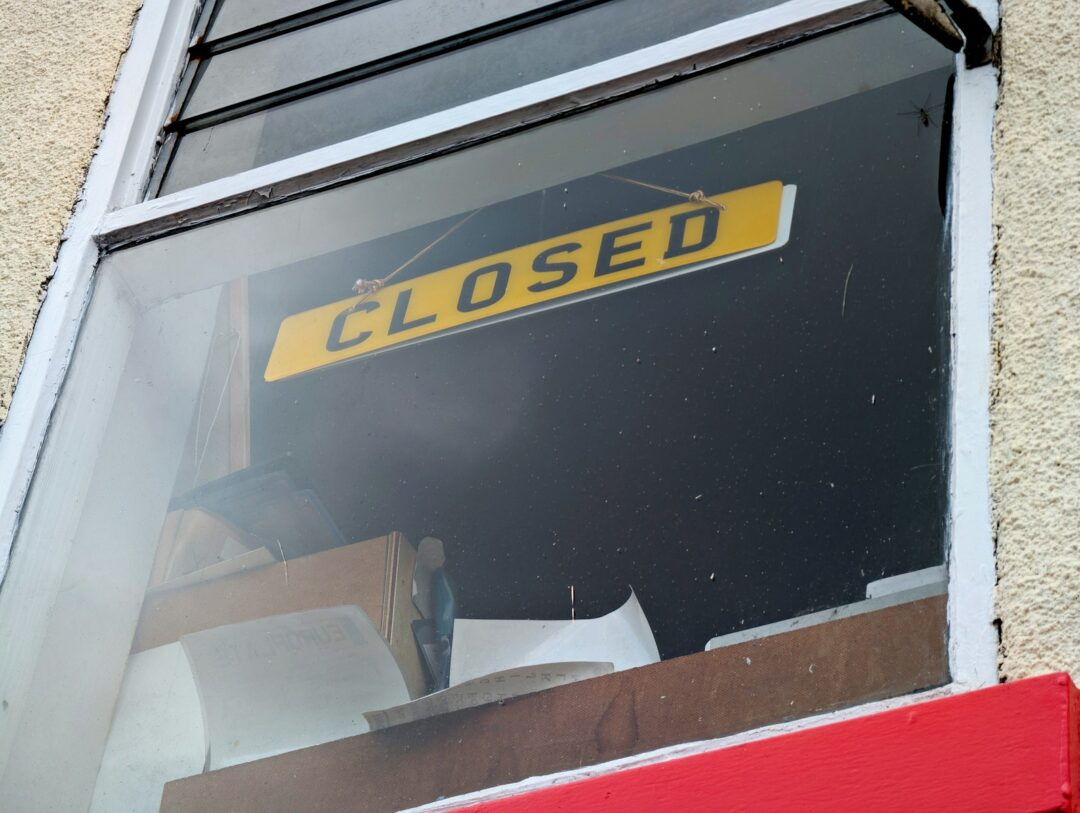
Binance has confirmed it will suspend services for EU users after failing to secure a MiCA license by the July 1, 2026 deadline.
While the platform has assured that user funds remain safe, EU traders must prepare to migrate to licensed platforms as MiCA reshapes the cryptocurrency industry.
Roots of Binance’s EU Licensing Defeat
On June 16, 2026, Binance published an official blog update on its Markets in Crypto-Assets (MiCA) licensing journey, acknowledging that despite extensive compliance investments, it had not secured authorization before the EU’s hard deadline.
The company explained that it had worked with the Hellenic Capital Market Commission (HCMC) in Greece and believed its application was compliant, but the process stalled at the European Securities and Markets Authority (ESMA) level.
Facing uncertainty, Binance withdrew its Greek application and announced it would reapply in another EU jurisdiction.
The announcement emphasized Binance’s commitment to Europe, promising updates and stressing that user assets remain secure.
What MiCA Is and Why Binance Fell Short
The Markets in Crypto-Assets Regulation (MiCA), formally Regulation (EU) 2023/1114, is the EU’s first comprehensive framework for crypto-assets.
It mandates licensing for all crypto-asset service providers (CASPs), covering exchanges, custodians, and stablecoin issuers. MiCA aims to unify fragmented national rules, enhance consumer protection, and enforce AML/KYC standards.
The transitional period ended on July 1, 2026, after which unlicensed platforms must cease operations in the EU.
Binance’s failure stemmed from regulatory concerns tied to its past compliance issues, including its 2023 U.S. settlement for AML violations and ongoing investigations in Europe.
These factors reportedly weighed heavily on regulators’ assessment of its “fit and proper” status for MiCA licensing.
What EU Binance Users Can Expect
Starting July 1, Binance halted new deposits and trading for EU-verified users. Customers can still withdraw funds, but they lose access to services until Binance secures a MiCA license.
Binance has assured users that assets remain safe and accessible, but EU traders must consider moving to licensed exchanges to retain full protections under MiCA.
Against the Grips of Regulation
Binance is not alone. Several smaller exchanges missed the MiCA deadline and announced service suspensions
For example, YouHodler adopted a “limited operations” regime, halting new EU client onboarding while awaiting authorization. Others, like MEXC, have no known MiCA license and risk enforcement actions.
In contrast, major exchanges such as Coinbase, Kraken, OKX, and Bitpanda successfully secured MiCA CASP licenses, positioning themselves to absorb displaced users.
MiCA represents a watershed moment in crypto oversight. By establishing a single EU license with passporting rights across 27 member states, it eliminates regulatory arbitrage and sets strict standards for transparency, custody, and governance.
This framework is already influencing other jurisdictions: the UK is drafting its own Digital Securities Bill, while Hong Kong and Singapore are tightening stablecoin rules.
The EU’s approach is seen as a model for balancing innovation with investor protection, and its enforcement is expected to accelerate global convergence in crypto regulation.


