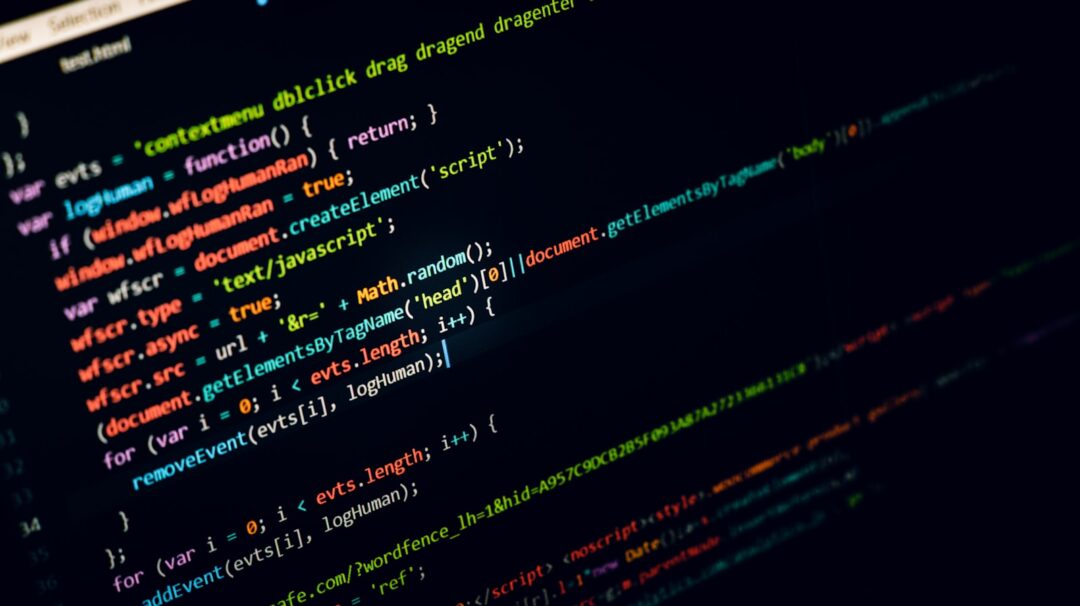
The crypto industry has once again been shaken by a wave of exploits, with hackers draining more than $36 million from multiple protocols by exploiting unverified smart contracts. The attacks, which unfolded across several decentralized finance (DeFi) platforms in early June 2026, highlight the persistent vulnerabilities in blockchain ecosystems and the urgent need for stronger security standards.
How the Exploits Unfolded
Investigators revealed that the hackers targeted protocols that had deployed unverified contracts; pieces of code that were not publicly audited or reviewed before going live. By exploiting hidden functions and poorly implemented logic, attackers were able to siphon funds directly from liquidity pools and user wallets.
The attacks were coordinated, hitting multiple platforms within hours of each other. Analysts believe the hackers used automated bots to scan for exploitable contracts, then executed transactions at high speed to drain assets before developers could respond.
The Scale of the Losses
More than $36 million was stolen in total, with individual protocols losing anywhere from $2 million to $10 million. Stablecoins, wrapped tokens, and governance assets were among the drained funds. While some platforms managed to freeze portions of the stolen assets by working with centralized exchanges, most of the funds were quickly laundered through mixers and cross‑chain bridges.
The losses are significant not only in financial terms but also in reputational damage. For many users, the attacks reinforced fears that DeFi remains too risky, especially when protocols cut corners on security.
Why Unverified Contracts Are Dangerous
Smart contracts are the backbone of DeFi, automating everything from lending and borrowing to trading and governance. But when contracts are deployed without verification, users have no way of knowing whether the code contains vulnerabilities or malicious functions.
Verification typically involves publishing the contract’s source code and undergoing audits by independent firms. Skipping this step leaves protocols exposed to exploits that can drain millions in seconds. In this case, the hackers exploited functions that were invisible to users but allowed them to bypass safeguards and redirect funds.
Industry Reaction
The attacks sparked immediate backlash within the crypto community. Security experts criticized protocols for deploying unverified contracts, calling it “reckless” and “irresponsible.” Developers scrambled to patch vulnerabilities, while exchanges tightened monitoring of suspicious transactions.
Regulators also took notice. In the United States, lawmakers debating the CLARITY Act pointed to the incident as evidence of the need for stricter oversight. In Europe, officials warned that DeFi platforms must adhere to transparency standards or face penalties.
Lessons for DeFi
The $36 million exploit underscores several lessons for the industry. First, verification and auditing are non‑negotiable. Deploying unverified contracts is akin to leaving a vault unlocked. Second, protocols must implement real‑time monitoring systems to detect unusual activity before funds are drained. Third, collaboration between platforms, exchanges, and regulators is essential to track stolen.