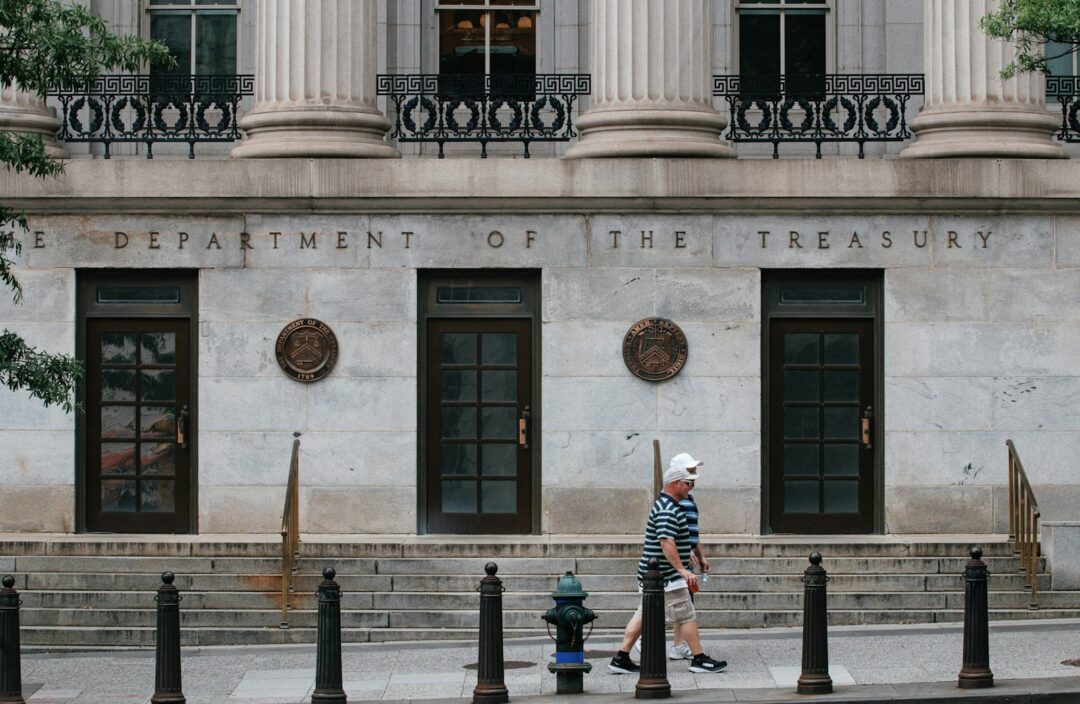
CoinPost reported on June 3 that U.S. Treasury Secretary Scott Bessent attended the Senate Finance Committee hearing, highlighting clear progress on the Clarity Bill.
Bessent announced that the department is shifting toward a strategic plan to develop a Bitcoin reserve, outlining that the process is advancing deliberately. He also emphasized a similar stance during his Senate confirmation hearing in January 2025, noting that he saw “no reason” for a U.S. Central Bank Digital Currency and outlining it as a tool better suited for countries with limited investment alternatives. Most of the Republican lawmakers have consistently opposed the concept for a long time, signaling that it could allow government surveillance of individual’s financial transactions.
The Clarity Act portray as the first standardized federal cryptocurrency regulatory system in the United States, specifying that the Securities and Exchange Commission regulates digital assets with securities features, while the Commodity Futures Trading Commission operates products assets such as Bitcoin.
Debate over the legislation remains in Washington. Despite strong support from the crypto market, some Democratic lawmakers and banking groups have conveyed their concerns that its consumer protection and anti-money laundering regulations may be insufficient.
Following its passage in the House in 2025, the bill’s advancement in the Senate has delayed due to ongoing arguments over issues such as stablecoin-related revenues, liability protections for software developers, and competing interests linked to President Trump’s cryptocurrency ventures. In contrast, the Senate Banking Committee, however, evolved the legislation by a two-party majority of 15 in favor and 9 against, while a full Senate plenary vote remains pending.
Currently, the bill is facing heightened pressure to obtain a Senate floor vote prior to the June 2026 deadline. Polymarket estimates a 57% chance that the Clarity Act will pass in 2026, according to Trading View report.
During the Senate Finance hearing, Bessent underscored the importance of aligning U.S. policy with institutional best practices, noting that the administration continues to commit and support digital asset innovation while ensuring proper regulatory security. He also emphasized the goal of maintaining the U.S. as a global hub for financial and technological innovation.
The legislative timeline is projected to become more compressed following the summer recess in the month of August and November midterm elections, leaving approximately nine weeks for the bill to be passed.
Furthermore, Bessent also pointed to the Bitcoin Strategic Reserve, noting that the initiative remains in advancement and that the administration is operating to develop a sustainable framework and best practice for its execution.
The Strategic Bitcoin Reserve was developed through an executive order signed by President Trump on March 6, 2025, and is currently reported to hold about 328,000 Bitcoin, typically sourced from criminal and civil forfeitures.
Also, Patrick Witt noted that an important announcement on the reserve’s next phase could be introduced within weeks, although no official update has been released since April.
Bessent reasserted that the administration remains committed to sustaining the reserve fund as part of its expansion digital asset strategy.