
Key Points :
- Virginia has passed a new law to hold unclaimed crypto assets in-kind instead of liquidating them
- Dormant crypto (5 years inactive) will be transferred to state custody while preserving original asset form
- A minimum 1-year holding period before liquidation protects owners from forced low-price sales
- This reflects a broader shift toward recognizing crypto as long-term property, not just speculative assets
- Could trigger similar legislation across the U.S., increasing state-level crypto reserves
- Aligns with global trends: institutional custody, ETFs, and long-term capital entering crypto markets
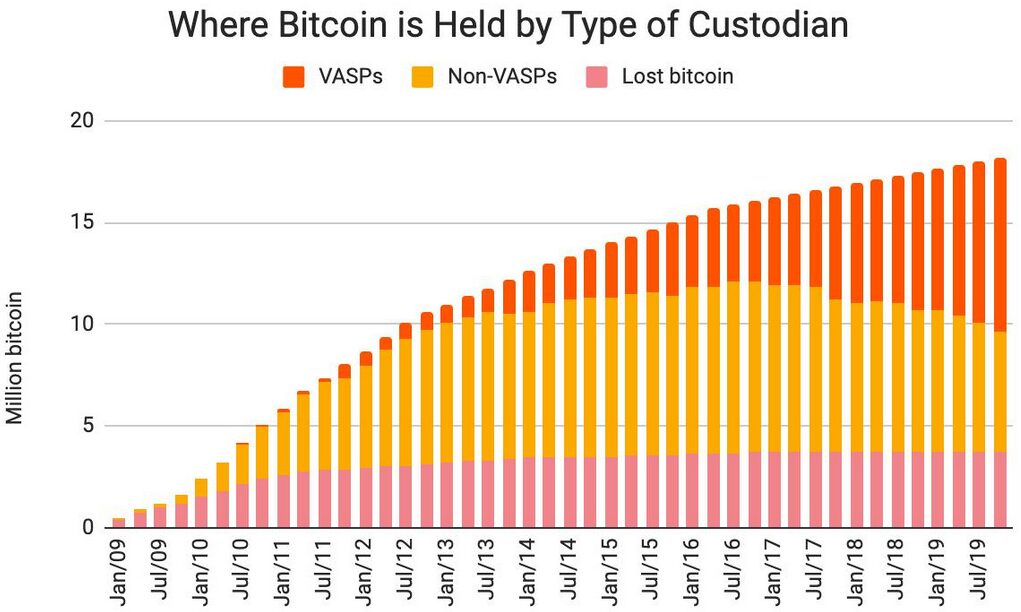
Regulatory Shift Model (Traditional vs New Crypto Custody Framework)
Introduction: A Quiet Legal Shift with Massive Market Implications
In April 2026, the U.S. state of Virginia passed a landmark law that may appear administrative at first glance—but in reality, it reflects a deeper structural shift in how digital assets are understood, protected, and integrated into financial systems.
Governor Abigail Spanberger signed legislation updating the state’s unclaimed property laws, introducing a new framework specifically for digital assets such as cryptocurrencies. The law, set to take effect on July 1, 2026, fundamentally changes how dormant crypto assets are handled: instead of being liquidated into fiat currency, they will now be held in their original form.
This seemingly technical adjustment has far-reaching implications—not only for individual investors but also for institutional capital flows, regulatory frameworks, and the long-term positioning of crypto as a recognized asset class.
The Core Change: From Forced Liquidation to In-Kind Preservation
Under previous frameworks, when financial assets became “unclaimed” (for example, due to inactivity or lost access), state authorities would typically liquidate those assets into cash. This model worked reasonably well for traditional financial instruments such as bank accounts or stocks.
However, applying this logic to cryptocurrencies created a major problem.
Crypto markets are highly volatile. If a dormant Bitcoin holding was liquidated during a downturn—say at $20,000—and the owner later reclaimed the asset when Bitcoin had risen to $70,000, they would only receive the cash equivalent at the time of liquidation. The upside was permanently lost.
Virginia’s new law directly addresses this inefficiency.
Instead of liquidation:
- Crypto assets will be transferred in-kind to state custody after 5 years of inactivity
- The state is authorized to hold the asset in its original form
- A minimum 1-year holding period is required before any liquidation
This introduces a key concept: value preservation over administrative convenience.
Recognizing Crypto as Property, Not Just Currency
This legal shift is not just procedural—it reflects a deeper philosophical transition.
Historically, regulators struggled to categorize cryptocurrencies:
- Are they currencies?
- Commodities?
- Securities?
Virginia’s approach implicitly answers this question: crypto is treated as property with intrinsic and time-sensitive value.
This aligns more closely with how assets like gold or real estate are handled. You wouldn’t force-sell a dormant property at market lows simply because the owner is temporarily inactive. Instead, you preserve the asset itself.
By adopting in-kind custody, Virginia acknowledges:
- Crypto assets have non-linear value appreciation
- Market timing should not be dictated by administrative processes
- Owners deserve the opportunity to reclaim the original asset, not a depreciated substitute
Industry Support and Institutional Alignment
The crypto industry has responded positively to this development.
Paul Grewal, Chief Legal Officer of Coinbase, publicly praised the move, highlighting its importance in protecting digital asset ownership rights.
This support is not surprising.
Over the past few years, major institutions have been moving toward:
- Custody solutions instead of trading-centric models
- Long-term holding strategies (e.g., Bitcoin treasury allocations)
- Regulatory clarity around ownership rights
Virginia’s law fits neatly into this broader institutional narrative.
Macro Context: Why This Matters Now
To understand the significance of this law, it’s important to look at the broader macro trends shaping crypto markets in 2025–2026.
1. Institutional Capital Is Reshaping Crypto
The approval and expansion of Bitcoin and Ethereum ETFs have brought large-scale capital into the market. Institutional investors are not interested in short-term speculation—they require:
- Legal clarity
- Asset protection
- Custody infrastructure
Virginia’s law supports all three.
2. Shift from Trading to Holding
The early crypto era was dominated by high-frequency trading and speculative tokens. Today, the narrative is shifting toward:
- Long-term holding (HODL strategies)
- Yield generation (staking, DeFi)
- Asset-backed tokens (RWA)
Preserving dormant assets aligns with this “holding-first” paradigm.
3. Regulatory Competition Among States
U.S. states are increasingly competing to attract crypto businesses and innovation.
If Virginia’s model proves effective, other states may follow, leading to:
- Standardized frameworks for digital asset custody
- Accumulation of crypto reserves at the state level
- Increased legitimacy of crypto within public finance systems
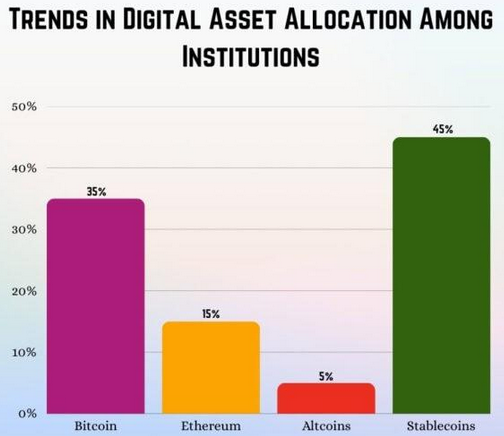
Projected Growth of State-Held Crypto Assets (Hypothetical Scenario)
The Hidden Impact: State-Level Crypto Accumulation
One of the most under-discussed implications of this law is the potential accumulation of crypto assets under state control.
If multiple states adopt similar frameworks:
- Dormant wallets could gradually flow into government custody
- States could become significant long-term holders of crypto assets
- This may influence market liquidity and supply dynamics
In effect, this creates a new category of holder:
Public-sector crypto reserves
This is particularly important in a world where Bitcoin’s supply is fixed.
Risks and Open Questions
Despite its advantages, the law introduces several critical questions:
1. Custody Infrastructure
How will the state securely store private keys?
- Cold storage?
- Multi-signature wallets?
- Third-party custodians?
Any weakness here introduces systemic risk.
2. Claim Process Efficiency
Will asset owners be able to:
- Easily verify ownership?
- Reclaim assets without excessive bureaucracy?
If the process is too complex, the benefit of in-kind custody diminishes.
3. Market Impact of Delayed Liquidation
A mandatory 1-year holding period may:
- Reduce forced selling pressure
- But also create delayed supply shocks if large volumes are eventually liquidated
Beyond Virginia: A Blueprint for Global Policy?
Virginia’s move may serve as a template beyond the United States.
Globally, regulators are facing similar challenges:
- How to handle lost or dormant crypto assets
- How to balance consumer protection with market efficiency
- How to integrate crypto into existing legal frameworks
Countries exploring central bank digital currencies (CBDCs) or tokenized assets may adopt similar custody models.
Conclusion: A Small Law with Systemic Consequences
At first glance, Virginia’s unclaimed crypto asset law may seem like a niche regulatory update.
In reality, it represents a fundamental shift in how digital assets are treated within legal and financial systems.
By moving from liquidation to preservation, the law:
- Protects individual investors from market timing risks
- Aligns with institutional investment strategies
- Lays the groundwork for state-level crypto accumulation
- Signals the maturation of crypto as a legitimate asset class
For investors, builders, and policymakers, the message is clear:
The future of crypto is no longer just about trading—it is about ownership, custody, and long-term value preservation.