

Main Points :
- Bitcoin rebounded as geopolitical tensions between the U.S. and Iran temporarily eased
- Market sentiment remains highly sensitive to Middle East developments and oil prices
- Upcoming U.S. inflation data could determine macro direction for crypto markets
- “Risk-on” scenario could push BTC toward ~$80,000 (≈ ¥12M), while downside risk remains ~$60,000–$65,000
- On-chain data suggests steady but not euphoric network activity
- Institutional flows and ETF dynamics continue to shape medium-term trends
1. Bitcoin’s Recent Price Action: A Market Driven by Geopolitics
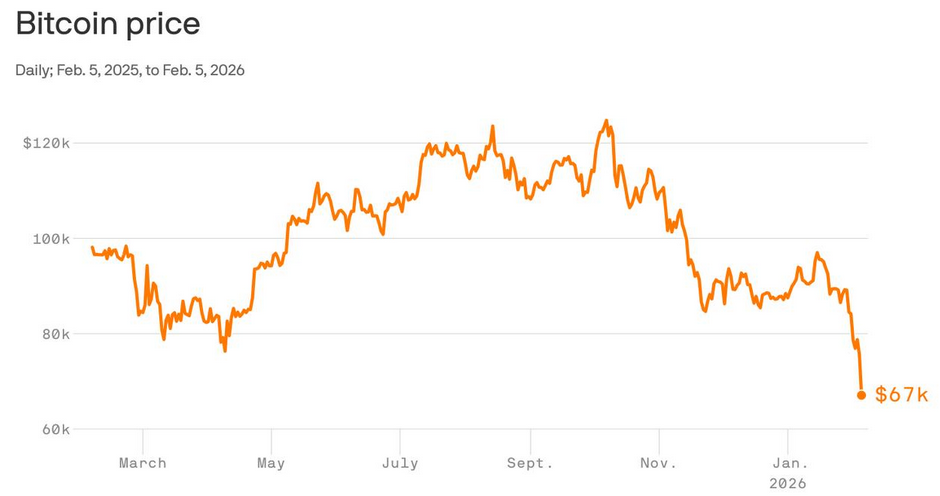
Bitcoin has once again demonstrated its increasing sensitivity to global macro events. Over the past week, BTC fluctuated sharply in response to developments in the Middle East, particularly the evolving relationship between the United States and Iran.
At the start of the week, Bitcoin traded around $72,000 (¥11.0M equivalent). Optimism emerged as reports suggested progress toward a ceasefire between the U.S. and Iran. This triggered a wave of “risk-on” sentiment across global markets, pushing BTC higher toward $73,500.
However, the rally proved fragile. Iran’s reluctance to accept proposed ceasefire conditions reignited geopolitical tensions, leading to a swift correction. Bitcoin dropped to around $71,000 as investors shifted back into defensive positioning.
The turning point came when U.S. officials indicated renewed progress in negotiations. A temporary two-week ceasefire agreement between the U.S. and Iran helped restore confidence. Bitcoin surged again, reaching approximately $75,000–$76,000 levels.
Despite this rebound, continued military actions involving Israel and Lebanon capped further upside, keeping BTC within a consolidation range of roughly $73,000–$75,000.
This pattern highlights a critical reality: Bitcoin is increasingly behaving like a global macro asset, reacting not just to crypto-native developments but to geopolitical risk cycles.
2. The Macro Battlefield: Peace Talks vs Inflation
The next major directional move for Bitcoin hinges on two key forces:
(1) U.S.–Iran Peace Negotiations
The upcoming negotiations in Islamabad represent a pivotal moment. However, expectations remain low for immediate breakthroughs.
- Iran is demanding compensation and control over transit fees in the Strait of Hormuz
- The U.S. is insisting on full nuclear de-escalation and normalization of oil routes
The gap between these positions is substantial. Therefore, markets are not pricing in a full resolution. Instead, the baseline expectation is continuity.
Why this matters:
Markets don’t need success — they need non-failure. Even a continuation of dialogue or scheduling of future talks can sustain risk appetite.
(2) U.S. Inflation Data
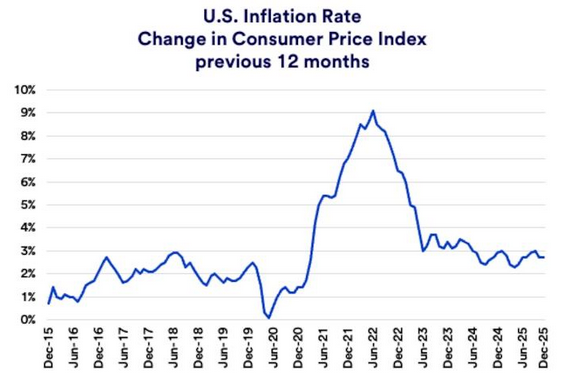
At the same time, inflation remains a critical macro driver.
Oil prices surged in March due to geopolitical instability. This creates a risk that upcoming inflation data will show elevated readings.
Two scenarios emerge:
- Inflation in line with expectations:
Markets interpret oil price spikes as temporary → bullish for BTC - Inflation exceeds expectations:
Fear of prolonged monetary tightening → bearish for BTC
This dual dynamic creates a high-stakes macro environment where Bitcoin reacts to both geopolitical headlines and economic data simultaneously.
3. On-Chain Signals: Stable, But Not Euphoric
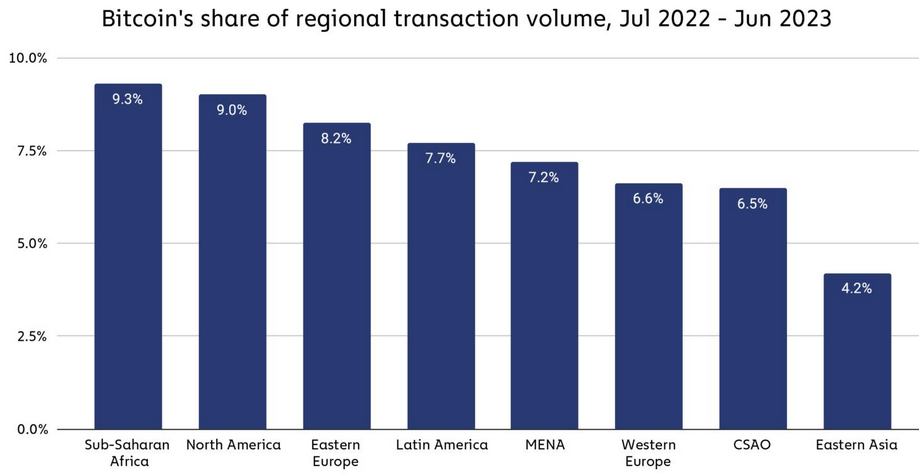
On-chain data provides important context to price movements.
- Transaction counts remain stable on a monthly basis
- Active addresses show moderate growth, not explosive expansion
This suggests that current price movements are not driven by speculative mania, but rather by macro-driven capital flows.
In other words, Bitcoin is not overheating — but it is also not experiencing strong organic network expansion.
This aligns with a broader narrative:
Bitcoin is transitioning from a purely speculative asset into a macro-sensitive store of value.
4. Institutional and ETF Influence: The Silent Driver
Beyond geopolitics and inflation, institutional capital continues to play a decisive role.
Since the approval of spot Bitcoin ETFs in major markets (notably the U.S.), capital flows into crypto have become increasingly structured.
Key trends:
- Institutional investors are using BTC as a hedge against geopolitical instability
- ETF inflows create sustained demand independent of retail speculation
- Portfolio diversification strategies now include BTC alongside gold
This explains why Bitcoin reacts similarly to traditional risk assets:
- Rising during easing geopolitical tension
- Falling during inflation or tightening expectations
Bitcoin is no longer isolated — it is integrated into the global financial system.
5. Scenario Analysis: Where Does Bitcoin Go Next?
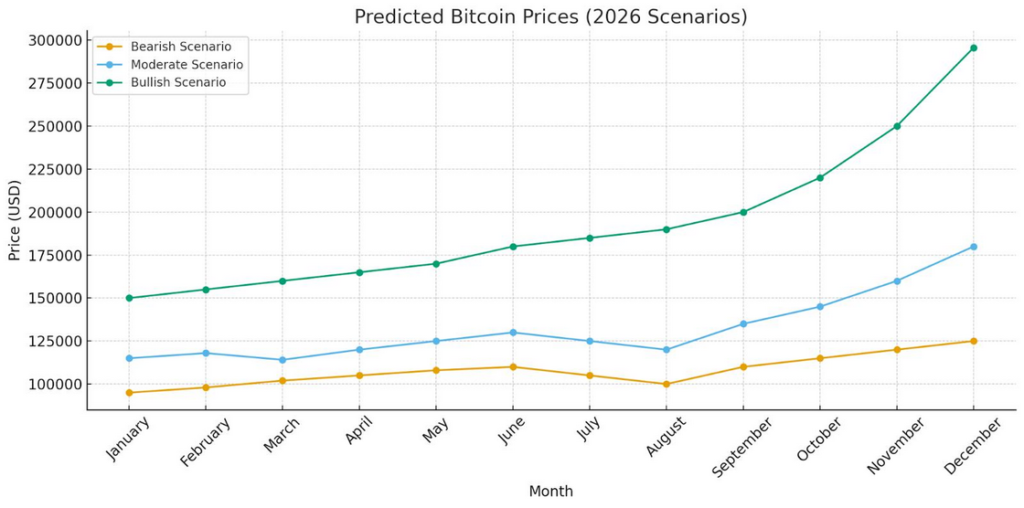
Bullish Scenario (Risk-On)
- Peace talks continue (no breakdown)
- Inflation comes in line with expectations
Outcome:
- Geopolitical risk premium declines
- Oil price surge seen as temporary
- BTC tests $80,000 (≈ ¥12M equivalent)
A breakout above this level could mark a broader recovery toward previous highs.
Bearish Scenario (Risk-Off)
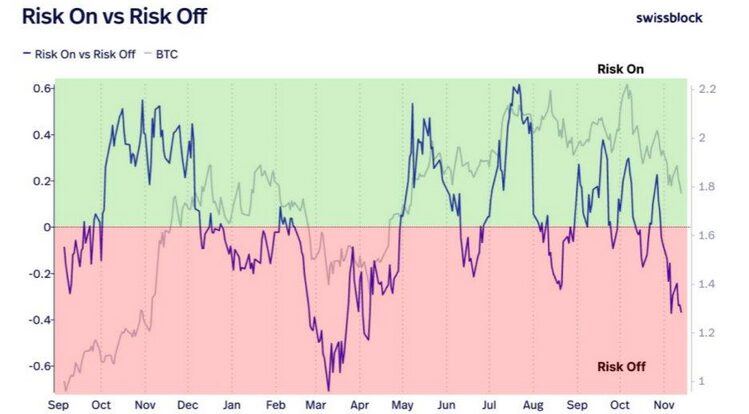
- Peace talks stall or fail
- Inflation surprises to the upside
Outcome:
- Renewed geopolitical tension
- Stronger expectations of Federal Reserve tightening
- BTC falls to $60,000–$65,000 range
This aligns with key technical and psychological support levels.Insert Figure 1 Here
(Recommended: Bitcoin price scenario projection chart showing bullish vs bearish paths)Insert Figure 2 Here
(Recommended: Oil price vs Bitcoin correlation chart)
6. Broader Crypto Implications: Beyond Bitcoin
While Bitcoin dominates the narrative, the implications extend across the crypto ecosystem.
- Ethereum (ETH): Sensitive to macro liquidity conditions
- Altcoins: Higher beta — stronger moves in both directions
- Stablecoins: Increasingly relevant as hedging instruments
Additionally, real-world use cases — such as cross-border payments and tokenized assets — continue to grow despite market volatility.
This reinforces a key insight:
Short-term volatility does not disrupt long-term blockchain adoption.
Conclusion: A Market at the Intersection of War and Monetary Policy
Bitcoin’s current position reflects a profound shift in its identity.
No longer just a speculative instrument, it now sits at the crossroads of:
- Geopolitics
- Energy markets
- Monetary policy
- Institutional capital flows
The coming weeks will be decisive.
If geopolitical tensions continue to ease and inflation remains contained, Bitcoin could enter a renewed bullish phase, potentially reclaiming the $80,000 level.
However, the downside risks are equally real. A breakdown in negotiations combined with rising inflation could push BTC back toward the $60,000 range.
For investors seeking new crypto opportunities and revenue streams, the key takeaway is clear:
- Monitor macro signals as closely as on-chain metrics
- Understand Bitcoin’s evolving role as a global asset
- Position strategically for both volatility and long-term growth



