Key Points :
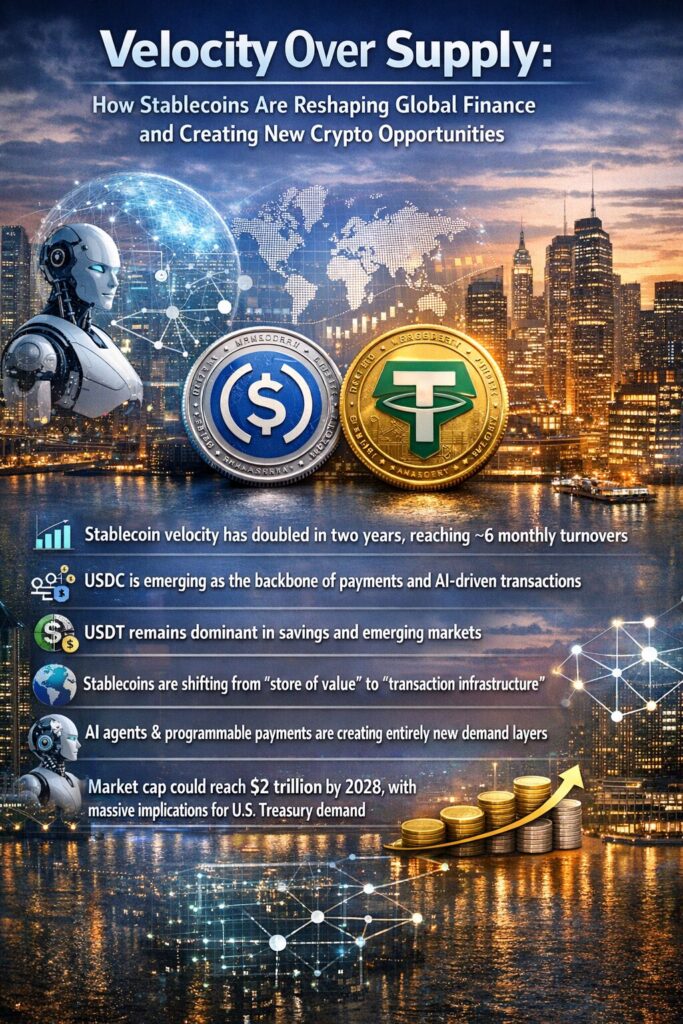
- Stablecoin velocity has doubled in two years, reaching ~6 monthly turnovers
- USDC is emerging as the backbone of payments and AI-driven transactions
- USDT remains dominant in savings and emerging markets
- Stablecoins are shifting from “store of value” to “transaction infrastructure”
- AI agents and programmable payments are creating entirely new demand layers
- Market cap could reach $2 trillion by 2028, with massive implications for U.S. Treasury demand
Introduction: A Structural Shift in Digital Money
The global financial system is undergoing a quiet but profound transformation—one that is not being driven by the price of cryptocurrencies, but by their velocity.
Recent research from Standard Chartered highlights a critical inflection point: stablecoins are no longer just static digital dollars sitting in wallets. Instead, they are increasingly circulating rapidly through financial systems, functioning as programmable liquidity.
This shift is not merely technical—it represents a transition from crypto as an asset class to crypto as infrastructure.
The Rise of Velocity: Why It Matters More Than Supply
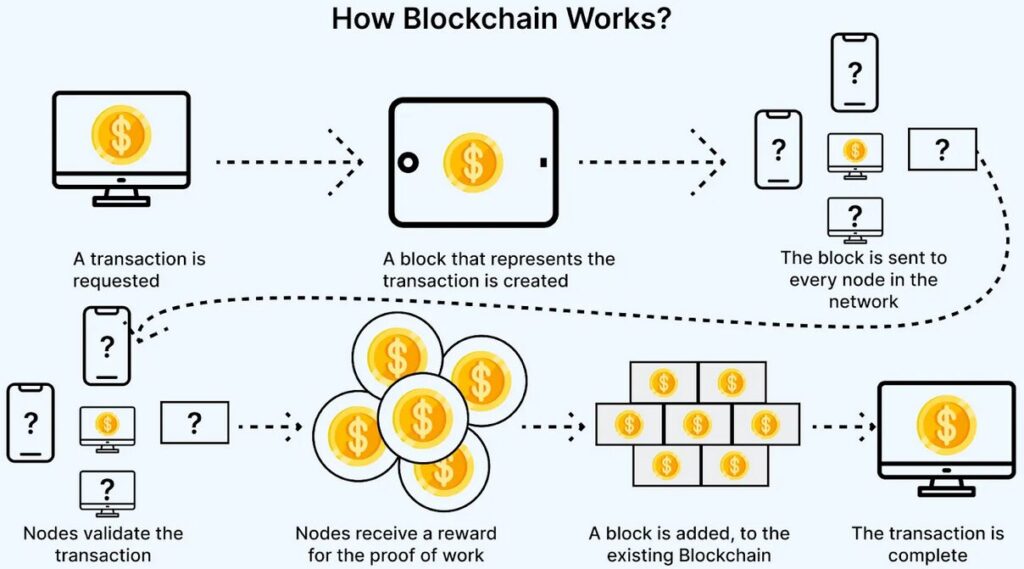
The concept of “velocity” refers to how frequently a unit of currency changes hands. Traditionally, fiat currencies have measurable velocity tied to economic activity. Now, stablecoins are entering that same macroeconomic framework.
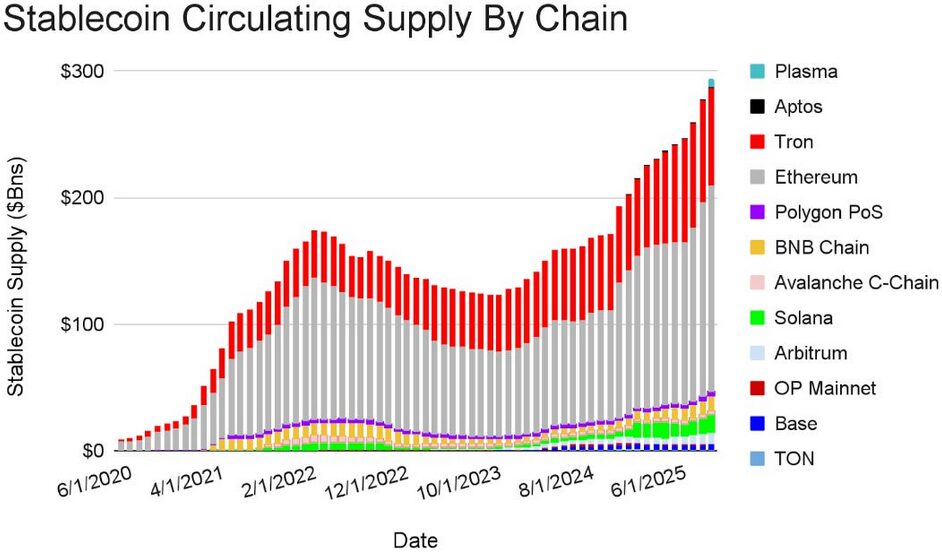
According to recent findings, stablecoins now turn over approximately six times per month on average, representing a doubling of velocity over the past two years.
This has profound implications:
- Less reliance on new issuance
As velocity increases, fewer new tokens are required to support the same level of economic activity. - Higher capital efficiency
Each dollar becomes more productive, supporting multiple transactions rather than sitting idle. - Shift in valuation models
Stablecoins may increasingly be valued not by supply, but by transaction throughput and utility.
For investors and builders, this signals a paradigm shift: the winners will not necessarily be those with the largest supply, but those with the highest usage intensity.
USDC’s Expansion: From Crypto Tool to Financial Rail
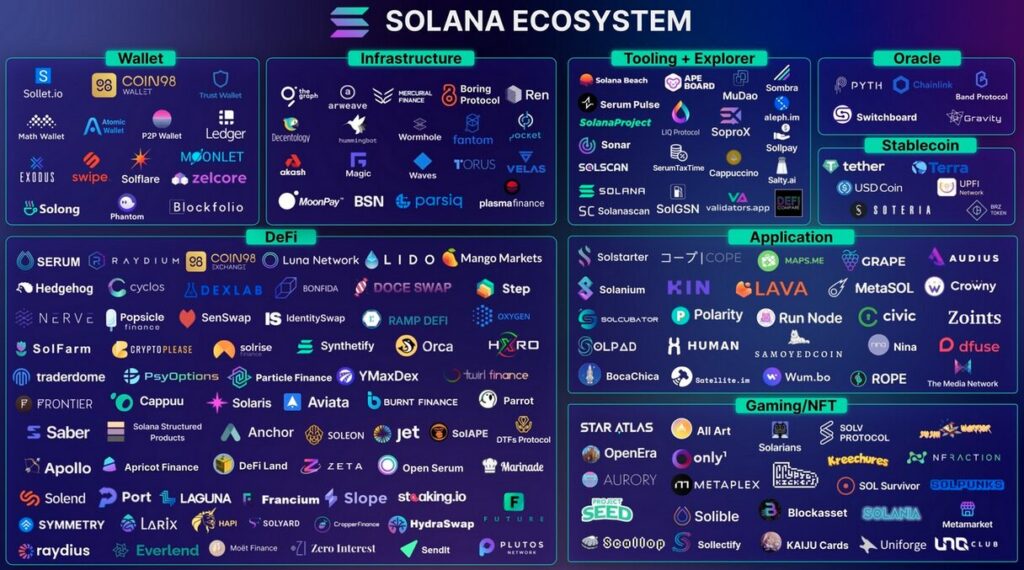
Among stablecoins, USDC is emerging as the primary driver of this velocity surge.
Issued by Circle, USDC has increasingly positioned itself as a regulated, compliant alternative within the digital dollar ecosystem. Its growth has been particularly pronounced on networks such as:
- Solana — known for high-speed, low-cost transactions
- Base — a rapidly expanding Layer 2 ecosystem
This expansion reflects a broader strategic positioning: USDC is no longer just a crypto trading pair—it is becoming a settlement layer for real-world financial activity.
A key turning point came after the passage of the so-called GENIUS Act in the United States, which provided a clearer regulatory framework for compliant stablecoins. This regulatory clarity has accelerated institutional adoption and enabled USDC to bridge traditional finance and blockchain infrastructure.
AI + Stablecoins: The Birth of Machine-Native Payments
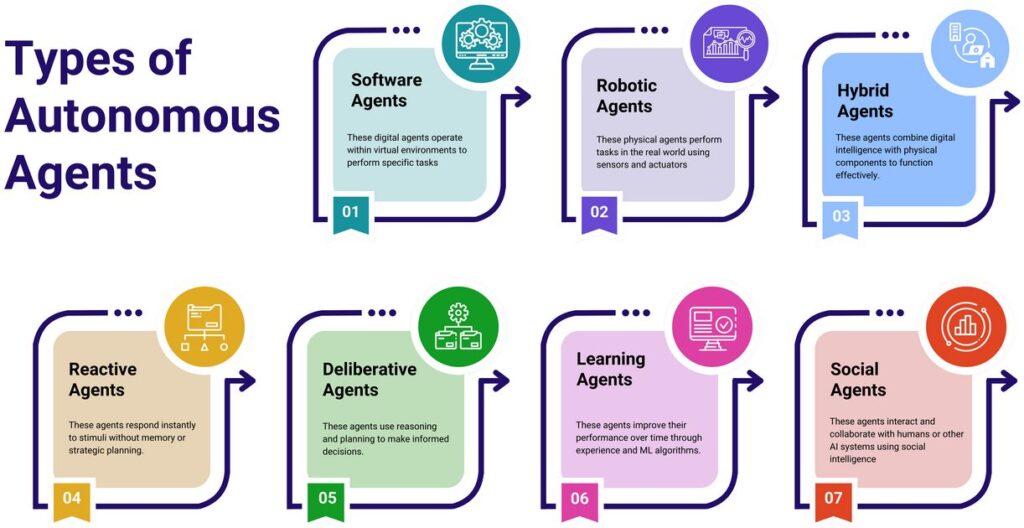
One of the most important—and underappreciated—drivers of stablecoin velocity is the rise of AI-driven payments.
Through protocols such as x402 protocol, autonomous agents can now:
- Execute transactions independently
- Pay for services in real time
- Interact economically with other agents
This introduces an entirely new category of demand: non-human economic actors.
Unlike traditional users, AI agents can transact continuously, 24/7, at machine speed. This dramatically increases transaction frequency and contributes directly to higher velocity.
Crucially, this demand is additive, not substitutive. It does not replace existing users—it expands the total addressable market.
For developers and infrastructure providers, this signals a major opportunity:
- Build agent-native payment APIs
- Design micropayment systems optimized for AI
- Enable real-time settlement layers for automated economies
USDT’s Role: Stability in Emerging Markets
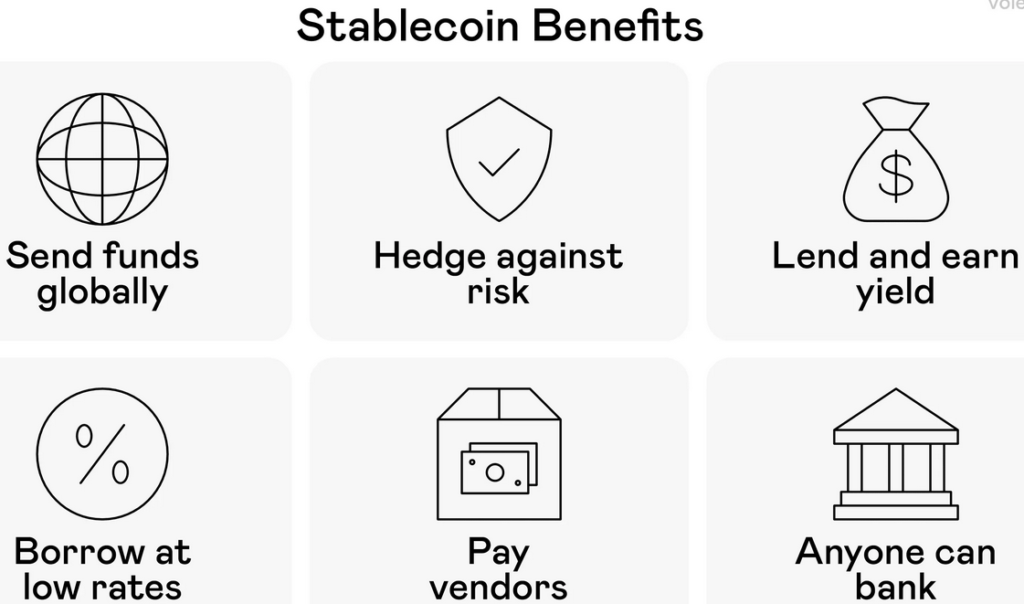
While USDC dominates high-velocity use cases, USDT continues to play a critical role in global finance.
In emerging markets, USDT remains:
- A store of value amid currency instability
- A remittance tool for cross-border payments
- A dollar substitute for unbanked populations
Unlike USDC, USDT exhibits relatively low velocity, reflecting its primary function as a savings instrument.
This divergence has led to a clear functional bifurcation:
| Stablecoin | Primary Role | Velocity Profile |
|---|---|---|
| USDC | Payments, financial infrastructure | High |
| USDT | Savings, remittances | Low |
This specialization suggests that the stablecoin market is evolving into a multi-layered ecosystem, rather than a winner-takes-all environment.
Macro Implications: A Trillion-Dollar Shock to Treasury Demand
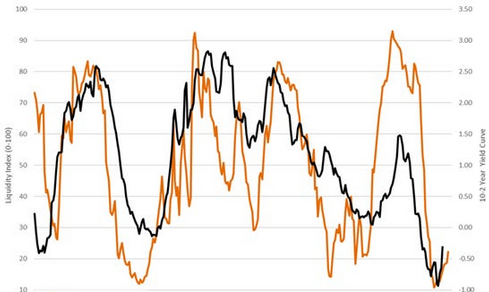

The growth of stablecoins has significant macroeconomic implications—particularly for U.S. government debt markets.
Stablecoin issuers typically back their tokens with short-term U.S. Treasuries. As the market expands, so does demand for these instruments.
Projections suggest that stablecoins could generate up to $1 trillion in additional Treasury demand in the coming years.
This creates a powerful feedback loop:
- Increased stablecoin adoption
- Higher demand for Treasuries
- Greater integration with traditional finance
- Reinforced dominance of the U.S. dollar globally
In effect, stablecoins may become a distribution layer for dollar liquidity, extending the reach of U.S. monetary influence into digital economies.
Market Outlook: Toward a $2 Trillion Ecosystem
Despite the rapid increase in velocity, Standard Chartered maintains its projection that stablecoins will reach a $2 trillion market capitalization by 2028.
This suggests that growth will be driven by both:
- Increased usage (velocity)
- Continued expansion of supply (market cap)
At the same time, influential investors like Stanley Druckenmiller have argued that stablecoins could become the foundation of global payment systems within 15 years.
Their advantages are clear:
- Lower cost than traditional remittance networks
- Faster settlement times
- Programmability and automation
- Borderless accessibility
Opportunities for Builders and Investors
For readers seeking new crypto assets, revenue streams, or practical blockchain applications, the implications are actionable.
1. Infrastructure Layer Opportunities
- Payment APIs
- On/off ramps
- Compliance and identity layers
2. AI Economy Integration
- Agent wallets
- Autonomous billing systems
- Machine-to-machine marketplaces
3. Yield and Treasury Strategies
- Stablecoin-backed yield products
- Tokenized Treasury exposure
- Liquidity provisioning
4. Emerging Market Solutions
- Remittance corridors
- Inflation-resistant savings tools
- Mobile-first financial services
Stablecoin Velocity Growth (2024–2026)
Conclusion: From Digital Dollars to Financial Infrastructure
The evolution of stablecoins marks a turning point in the history of money.
What began as a simple tool for crypto trading has become a core component of global financial infrastructure. The shift from supply-driven growth to velocity-driven utility signals a deeper transformation—one that aligns with broader trends in automation, AI, and digital economies.
For investors, the key insight is clear:
The future of crypto is not just about holding assets—it is about enabling movement, interaction, and economic activity.
Stablecoins sit at the center of this transformation.