
Key Points :
- The U.S. Department of Labor has proposed new rules allowing crypto investments in 401(k) plans
- Regulatory barriers limiting Bitcoin exposure in retirement accounts could be removed
- Approximately 90 million Americans may gain access to Bitcoin through retirement savings
- A new “safe harbor” framework reduces fiduciary liability risks
- Institutional asset managers are expected to play a pivotal role in implementation
- The proposal aligns with broader regulatory shifts involving U.S. Securities and Exchange Commission and U.S. Department of the Treasury
1. A Historic Regulatory Pivot: Opening the Door for Bitcoin in 401(k) Plans
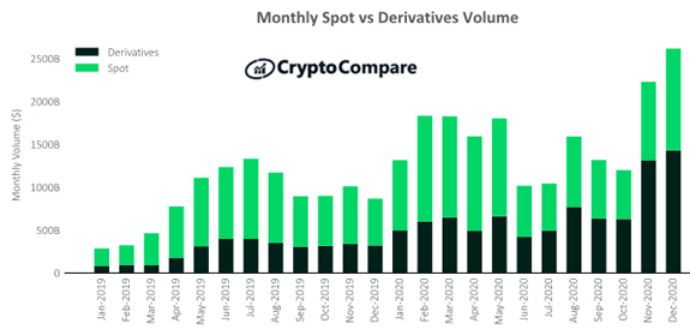
The proposed rule released on March 30, 2026, by the U.S. Department of Labor represents one of the most consequential regulatory shifts in the history of digital assets. For the first time, retirement accounts—specifically 401(k) plans—may gain structured access to Bitcoin and other alternative assets under a clarified regulatory framework.
This is not merely a technical update. It signals a philosophical transformation in how regulators view crypto assets. Previously framed as speculative instruments unsuitable for retirement portfolios, Bitcoin is now being reconsidered as a legitimate component of long-term wealth accumulation strategies.
The proposal removes long-standing barriers that discouraged fiduciaries from offering crypto exposure. These barriers were not explicit bans but functioned as de facto prohibitions due to regulatory ambiguity and litigation risk.
With approximately $13.8 trillion in U.S. retirement assets, even a modest allocation shift could have a profound impact on the digital asset ecosystem.
2. From Restriction to Neutrality: The End of Implicit Crypto Suppression
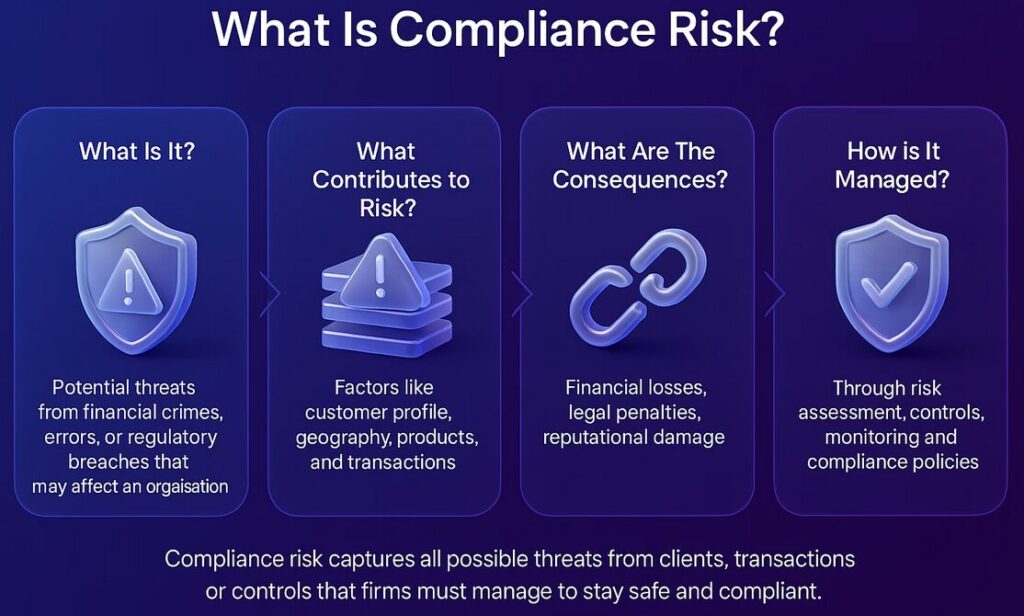
The roots of this policy shift trace back to 2022, when the Department of Labor issued guidance discouraging fiduciaries from including crypto in retirement plans. While not legally binding, the guidance created a chilling effect across the industry.
Fiduciaries—concerned about legal exposure—largely avoided crypto offerings. This resulted in a paradox: although technically permissible, crypto investments were practically inaccessible within retirement accounts.
The new proposal reverses this dynamic.
Instead of discouraging specific asset classes, regulators are now emphasizing process over outcome. This shift is critical. It means fiduciaries are no longer judged based on whether Bitcoin performs well or poorly, but on whether they followed a prudent, well-documented investment evaluation process.
As noted by senior officials, the era of regulators “picking winners and losers” among asset classes is coming to an end.
3. The Safe Harbor Framework: Reducing Legal Risk for Fiduciaries

At the heart of the proposal lies a safe harbor provision, designed to address the single largest barrier to crypto adoption in retirement plans: fiduciary liability.
Under the new framework, fiduciaries who follow a structured due diligence process—evaluating factors such as:
- Fees
- Liquidity
- Valuation methodologies
- Performance benchmarks
will receive protection against litigation risks.
This is a crucial development. Historically, fear of lawsuits has prevented pension managers and plan sponsors from introducing innovative asset classes. The safe harbor framework effectively de-risks the decision-making process.
Importantly, the rule does not endorse Bitcoin explicitly. Instead, it creates a neutral environment where Bitcoin can compete alongside traditional assets like equities, bonds, real estate, and private equity.
4. Institutional Implications: Asset Managers and the New Battlefield
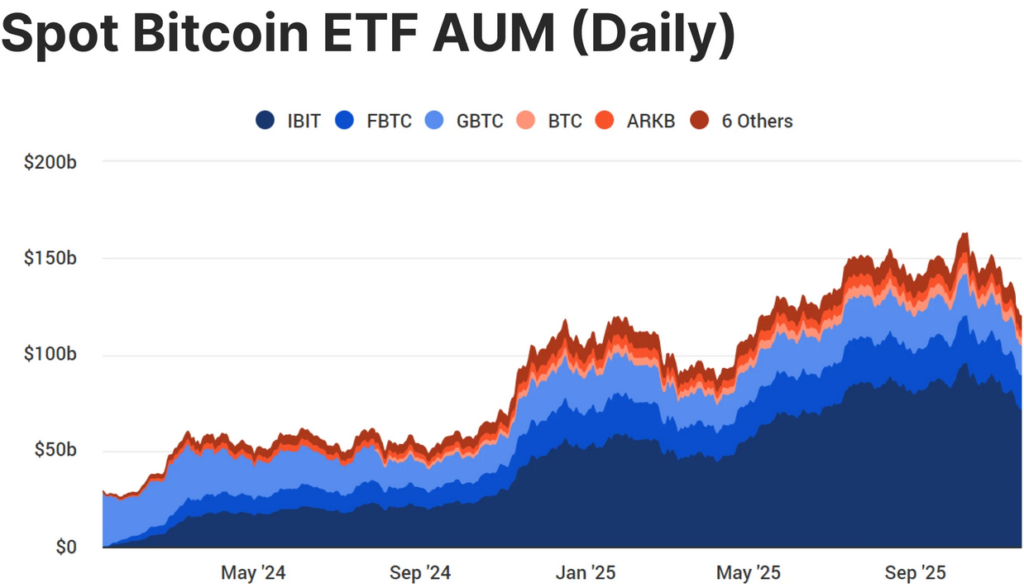
If adopted, the rule will trigger a wave of innovation among asset managers.
Firms will likely develop:
- Crypto-inclusive target-date funds
- Hybrid portfolios combining Bitcoin with traditional assets
- Risk-managed digital asset exposure strategies
This is where competition intensifies. Asset managers must balance regulatory compliance with performance optimization, while also educating clients unfamiliar with crypto.
The involvement of major financial institutions—particularly those already engaged with Bitcoin ETFs—suggests that infrastructure for institutional-grade crypto exposure is already in place.
This proposal simply unlocks a new distribution channel: retirement accounts.
5. A Generational Shift: Why Younger Investors Matter Most
One of the most important implications of this development is demographic.
Younger investors—who have longer time horizons and higher risk tolerance—are the most likely adopters of Bitcoin within 401(k) plans.
For this group, Bitcoin is not merely a speculative asset. It is:
- An inflation hedge
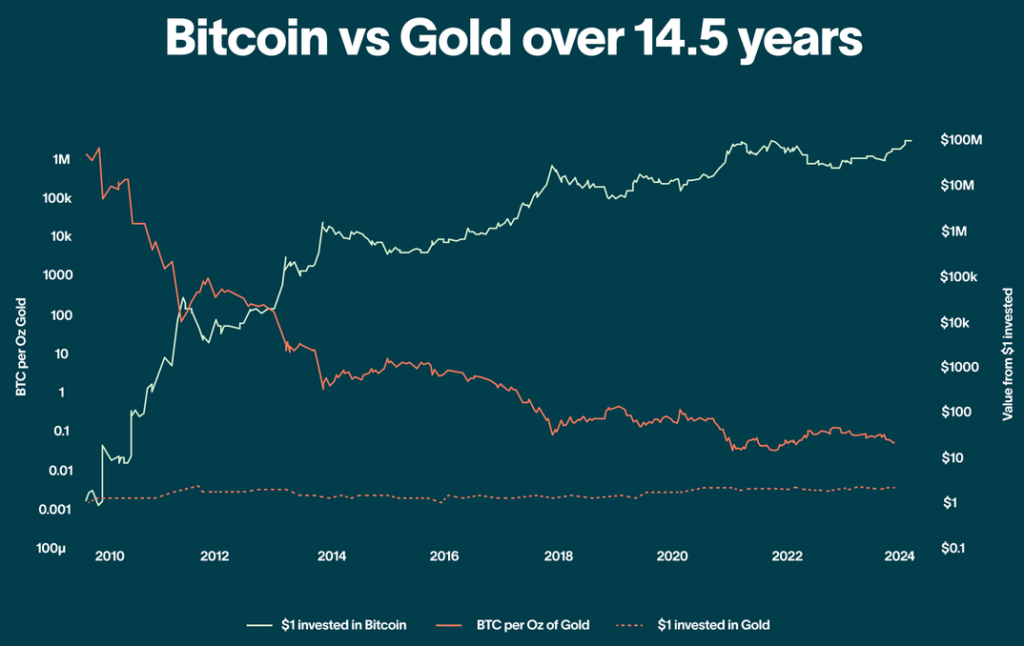
- A store of value alternative to gold
- A high-growth asymmetric investment
Historically, early exposure to high-performing assets has been a key driver of wealth accumulation. If Bitcoin continues to mature as an asset class, its inclusion in retirement portfolios could reshape long-term wealth distribution patterns.
6. Global Context: A Coordinated Regulatory Evolution
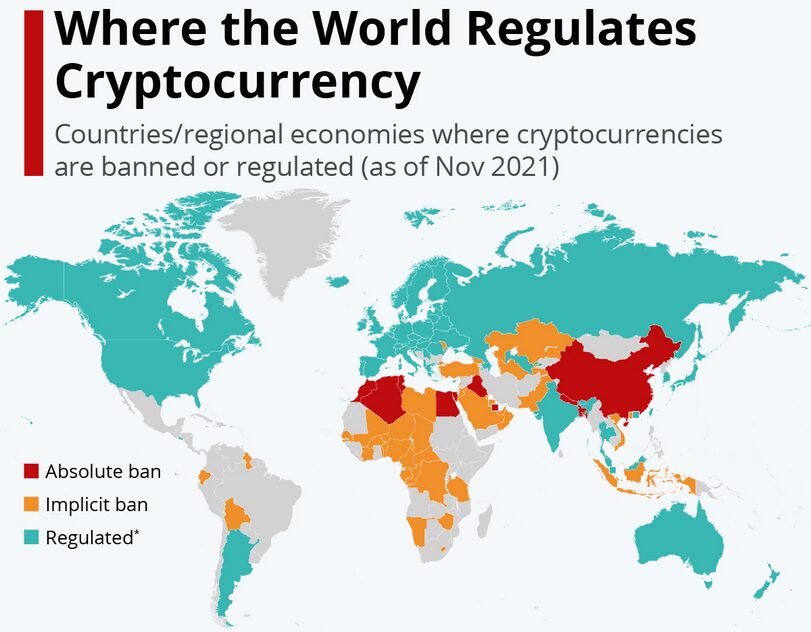
The U.S. proposal does not exist in isolation.
Globally, regulators are moving toward clearer frameworks for digital assets. Collaboration between the U.S. Securities and Exchange Commission, Commodity Futures Trading Commission, and the U.S. Department of the Treasury reflects a broader effort to integrate crypto into the financial system.
Other jurisdictions are also exploring similar pathways:
- Pension funds in Australia considering Bitcoin exposure
- European regulators refining custody and compliance standards
- Asian markets expanding institutional crypto infrastructure
This convergence suggests that Bitcoin is transitioning from a fringe asset to a globally recognized financial instrument.
7. Market Impact: What Happens If Even 1% Flows Into Bitcoin?
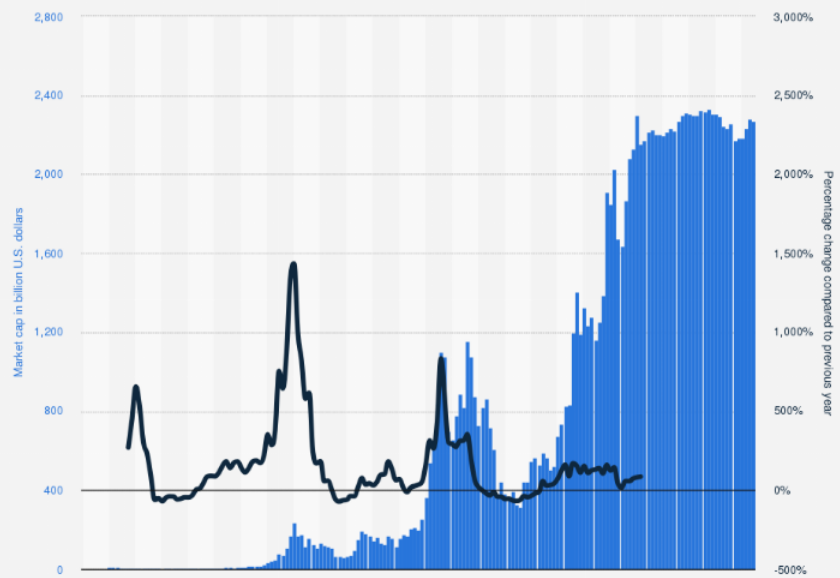
To understand the potential impact, consider a simple scenario.
If just 1% of the $13.8 trillion U.S. retirement market flows into Bitcoin, that represents approximately $138 billion in new capital.
Potential Capital Inflows from 401(k) Allocation to Bitcoin
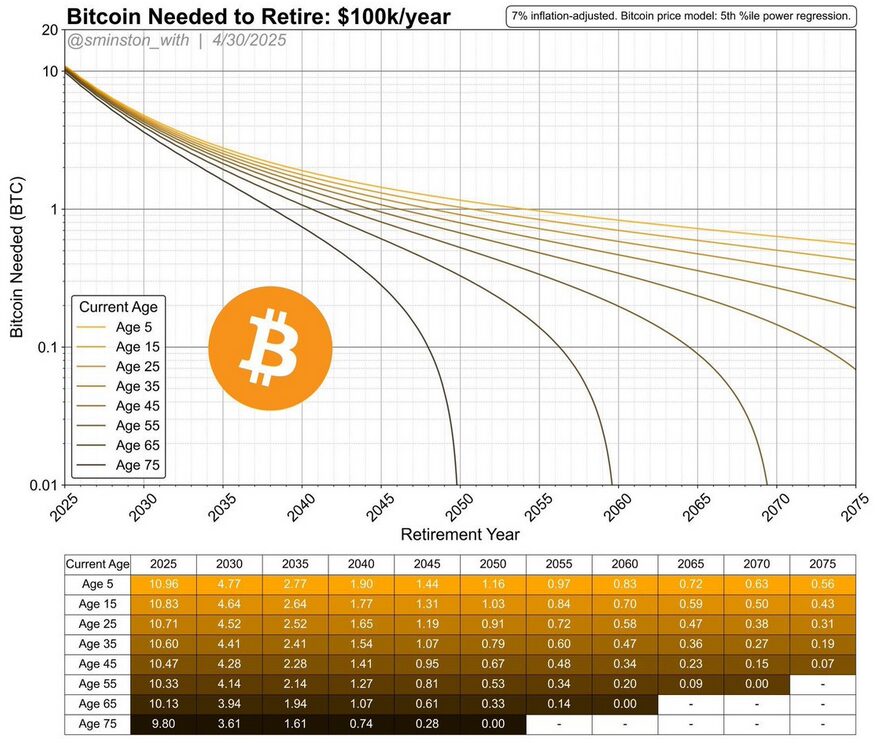
Such inflows would:
- Increase market liquidity
- Reduce volatility over time
- Strengthen Bitcoin’s role as a macro asset
More importantly, retirement capital is typically long-term and less reactive, which could stabilize Bitcoin’s historically volatile price behavior.
8. Risks and Realities: Not a Guaranteed Transformation
Despite the optimism, several constraints remain:
- The proposal is still subject to public comment and final approval
- Fiduciaries must still implement rigorous due diligence processes
- Not all employers will immediately offer crypto options
- Market volatility remains a significant consideration
Additionally, education will be critical. Many retirement plan participants lack familiarity with digital assets, and misallocation risks could arise without proper guidance.
9. Strategic Insight: What This Means for Crypto Investors
For readers seeking new opportunities in crypto and blockchain applications, this development signals a structural shift.
The key takeaway is not immediate price action, but long-term demand transformation.
Bitcoin is evolving into:
- A portfolio allocation asset
- A retirement savings instrument
- A macro hedge within institutional frameworks
This changes the investment thesis entirely.
Instead of relying solely on speculative cycles, Bitcoin’s future may increasingly depend on systematic capital flows from institutional and retirement channels.
Conclusion: The Institutionalization of Bitcoin Has Entered a New Phase
The proposed 401(k) rule change marks a turning point in the relationship between traditional finance and digital assets.
By removing regulatory ambiguity and introducing a safe harbor framework, the U.S. Department of Labor is effectively legitimizing Bitcoin as part of the retirement investment landscape.
This is not the end of the journey—but it is a decisive step forward.
If adopted, the rule could unlock a new era where Bitcoin is no longer an outsider to the financial system, but a foundational component within it.