Key Takeaways :
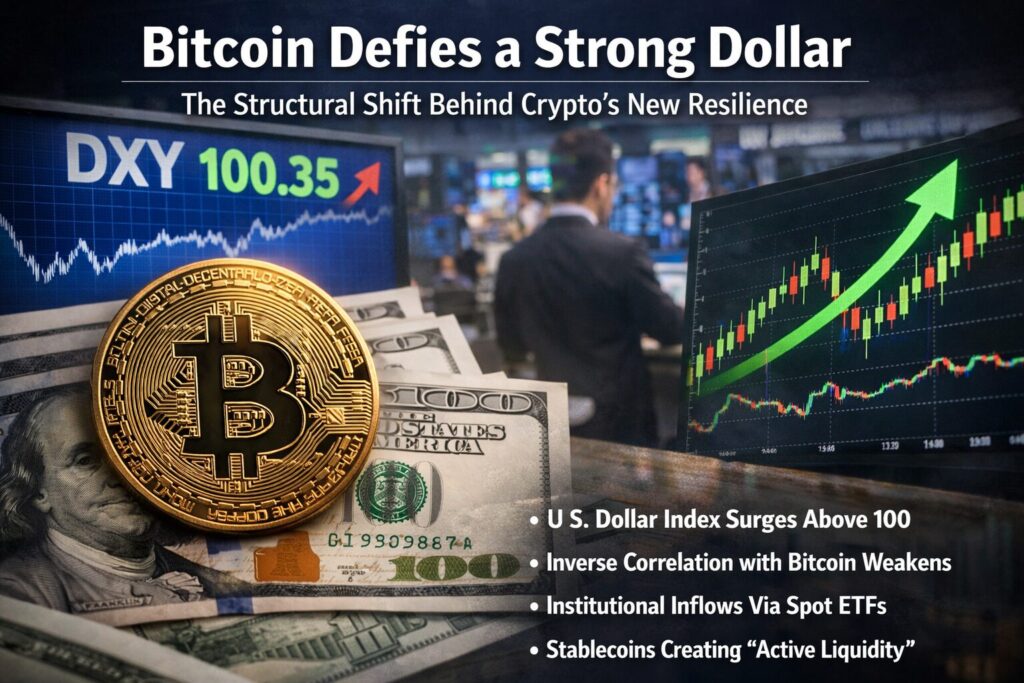
- The U.S. Dollar Index (DXY) has surged above 100, reflecting strong macro pressure.
- The traditional inverse relationship between the dollar and Bitcoin is weakening.
- Institutional inflows via spot ETFs are reshaping market demand.
- Stablecoins like Tether and USD Coin are creating “active liquidity.”
- Bitcoin is evolving into a structurally supported asset, not purely macro-driven.
1. The Return of Dollar Dominance—and Why It Matters
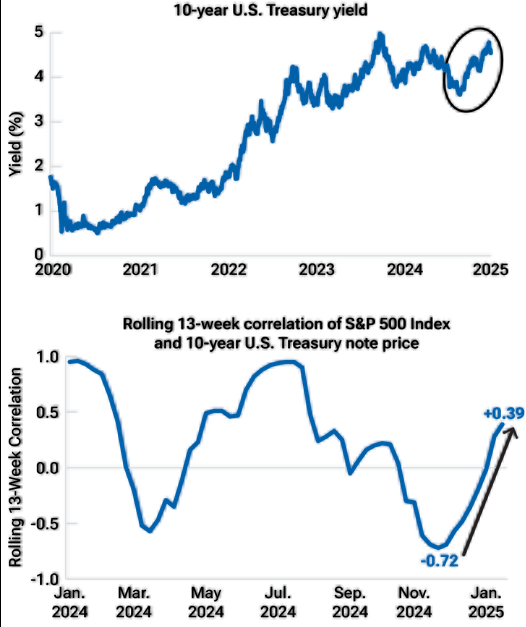
In March 2026, the U.S. Dollar Index (DXY) climbed above the psychologically important level of 100, reaching one of its highest ranges since the aftermath of the global financial crisis. This surge is not accidental—it is the product of converging macroeconomic forces.
First, monetary policy expectations have shifted dramatically. Since 2025, markets have gradually abandoned expectations of aggressive rate cuts by the Federal Reserve. Instead, the dominant narrative is now “higher for longer,” with U.S. interest rates staying elevated well into the medium term. As a result, the 10-year Treasury yield has climbed toward the upper 4% range, keeping real yields elevated.
Second, geopolitical tensions—particularly in the Middle East—have pushed oil prices higher and increased global uncertainty. In such environments, capital tends to rotate into perceived safe-haven assets, and the U.S. dollar remains the dominant global reserve currency. As the euro and Japanese yen weaken, relative demand for the dollar intensifies further.
Historically, such a macro environment would be deeply unfavorable for risk assets, especially cryptocurrencies.
2. Breaking the Old Rule: Dollar Strength No Longer Crushes Bitcoin
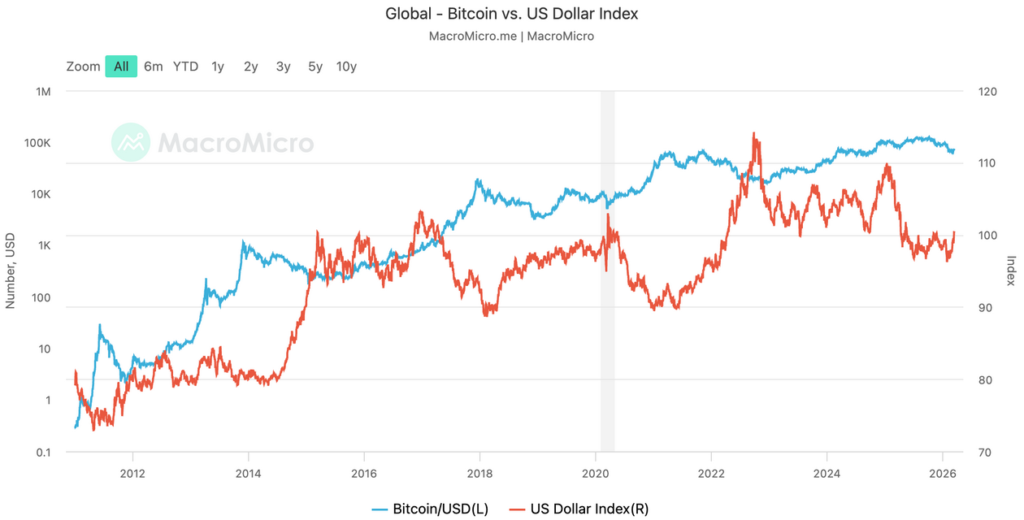
Traditionally, the relationship between the dollar and Bitcoin has been straightforward:
Strong dollar → risk-off → Bitcoin declines
This dynamic was clearly visible during the tightening cycle of 2022, when Bitcoin fell sharply alongside rising yields and a surging dollar.
However, 2026 is telling a different story.
Despite sustained dollar strength, Bitcoin has not experienced the kind of sharp sell-offs that characterized previous cycles. While price action remains somewhat capped on the upside, downside volatility has been notably contained. Instead of collapsing, Bitcoin has demonstrated resilience.
This is not merely a price anomaly—it is a signal of structural change.
3. ETF Flows: Institutional Capital Changes the Game
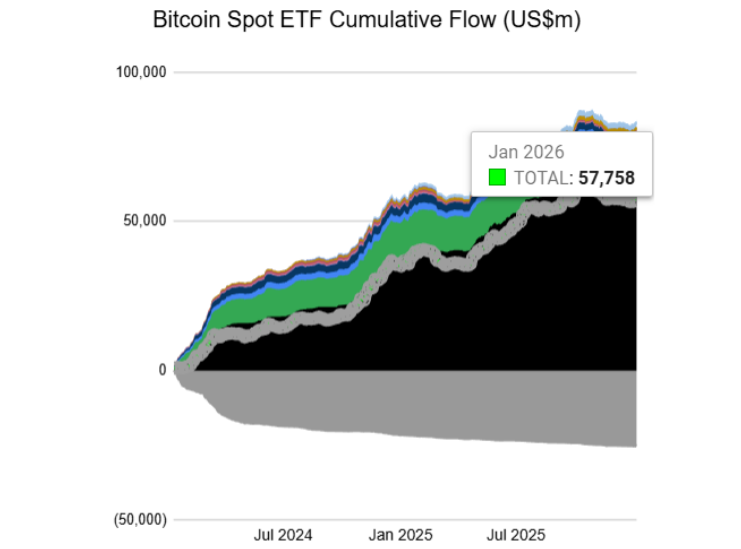
One of the most important developments reshaping the Bitcoin market is the rise of spot Bitcoin ETFs.
With the approval and expansion of these instruments—led by firms such as BlackRock—Bitcoin has become significantly more accessible to institutional investors. Pension funds, asset managers, and corporate treasuries can now gain exposure to Bitcoin without directly handling custody or private keys.
This has fundamentally altered demand dynamics:
- Capital inflows are persistent, not speculative bursts.
- Bitcoin is increasingly treated as a portfolio allocation asset, not a fringe speculative bet.
- Institutional participation adds depth and stability to the market.
Even in a strong dollar environment, institutions may continue allocating to Bitcoin as part of diversification strategies—particularly in portfolios seeking asymmetric returns or hedges against systemic risks.
4. Stablecoins: The Rise of “Active Liquidity”
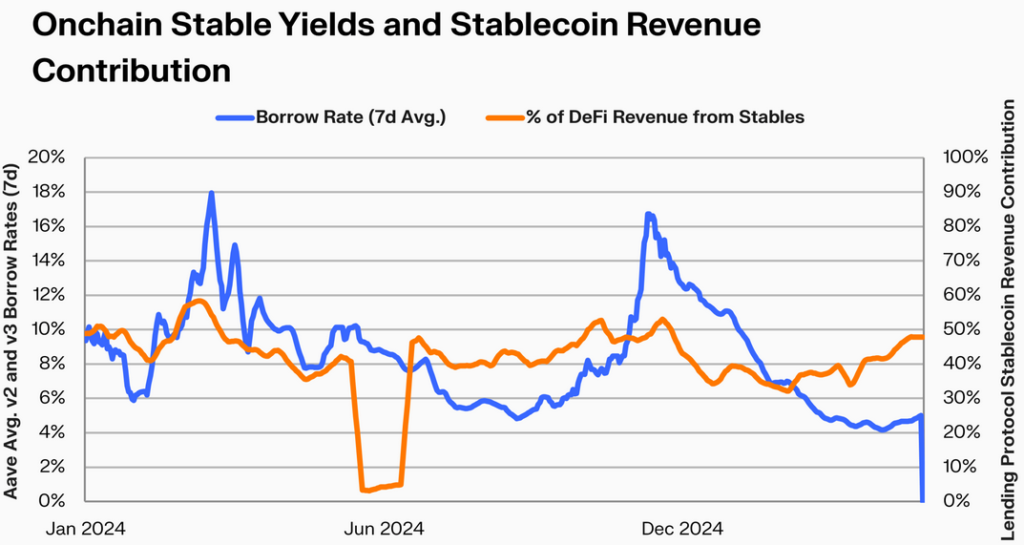
Beyond ETFs, another powerful force is quietly transforming the market: stablecoins.
Assets like Tether and USD Coin are not just growing in supply—they are becoming increasingly active.
A critical on-chain metric is stablecoin active addresses, which represent the number of participants actually moving capital. The data shows a clear upward trend, indicating:
- A broader base of market participants
- Increased real transaction activity
- Expansion of usable liquidity
This is not passive capital sitting idle. It is ready-to-deploy liquidity.
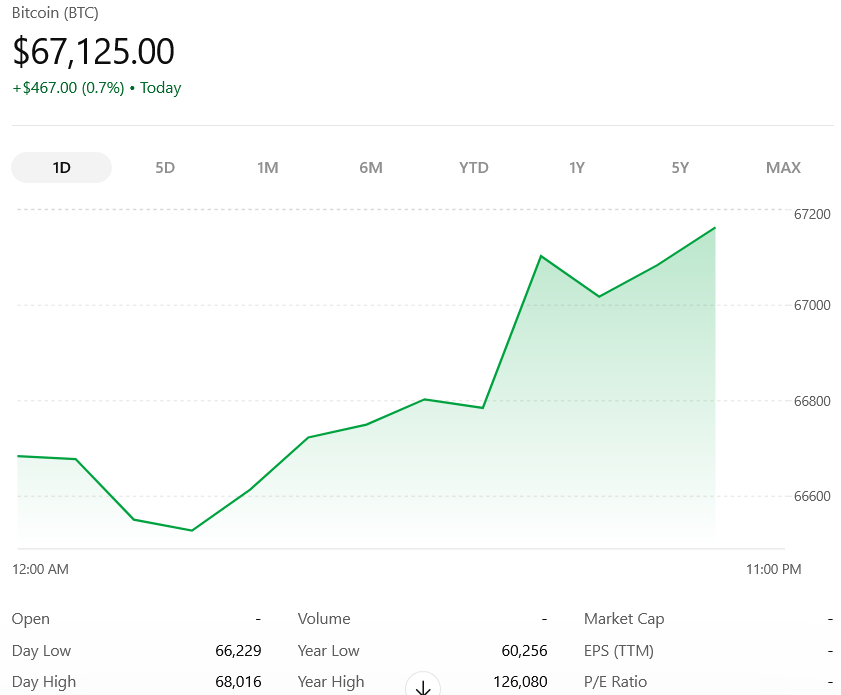
(Stablecoin Active Address Growth vs Bitcoin Price Support Zones)
This structural change creates a new mechanism:
- When prices drop → stablecoin capital re-enters the market
- This absorbs sell pressure → limiting sharp declines
In other words, the market now contains circular liquidity, not just directional flows.
5. The New Market Structure: Dual Forces at Play
The current Bitcoin market is defined by two opposing but coexisting forces:
(1) Macro Downward Pressure
- Strong dollar
- High interest rates
- Global uncertainty
(2) Structural Support
- ETF-driven institutional inflows
- Expanding stablecoin liquidity
- Broader participation base
This dual structure explains why Bitcoin is no longer reacting in a purely linear way to macro conditions.
The implication is profound:
Bitcoin is transitioning from a macro-sensitive asset to a structurally supported financial instrument.
6. What Could Break This Structure?
Despite the emerging resilience, risks remain.
The new equilibrium depends heavily on:
- Continued ETF inflows
- Sustained stablecoin activity
- Healthy market participation
If these weaken simultaneously—particularly in a liquidity contraction scenario—the market could revert to its previous behavior, where dollar strength exerts dominant downward pressure.
In such a case, the classic “strong dollar = weak Bitcoin” relationship could re-emerge.
7. Strategic Implications for Investors
For readers seeking new crypto opportunities and income strategies, this shift has several key implications:
1. Watch Flow, Not Just Price
Understanding capital movement—ETF inflows, stablecoin activity—is now more important than simple price charts.
2. Bitcoin as a Core Allocation
Bitcoin is increasingly behaving like a hybrid asset:
- Part macro-sensitive
- Part structurally supported
This makes it more viable as a long-term allocation.
3. Liquidity Cycles Create Opportunities
Periods of temporary weakness may now represent:
- Liquidity absorption phases
- Strategic accumulation windows
Conclusion: A Market at a Turning Point
The Bitcoin market of 2026 is fundamentally different from that of 2022.
While macro forces such as dollar strength and interest rates remain important, they are no longer the sole drivers of price action. Instead, a new internal structure—defined by institutional inflows and active stablecoin liquidity—is reshaping how the market behaves.
This transition marks a critical inflection point.
Bitcoin is no longer just reacting to the global macro environment—it is beginning to develop its own internal gravity.
For investors, the message is clear:
The future of crypto will not be understood through correlations alone—but through the flow of capital and the architecture of liquidity.