
Key Points :
- Goldman Sachs suggests Bitcoin may have reached a market bottom
- K33 Research and Bernstein echo similar views
- Trading volume may decline short term but is expected to recover
- Macro risks (rates, geopolitics) remain critical drivers
1. A Structural Bottom May Already Be Forming
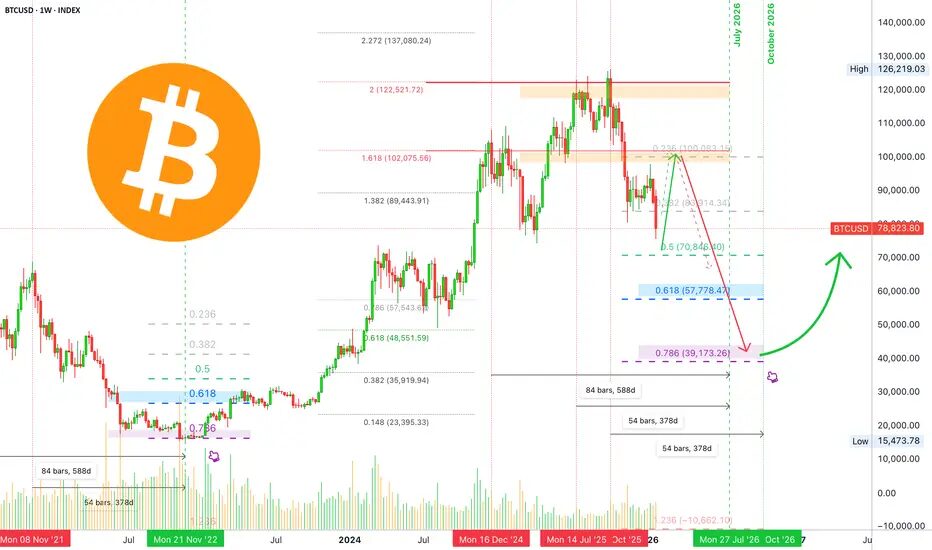
Recent commentary from Goldman Sachs has reignited debate across the digital asset market: has Bitcoin already bottomed?
According to analyst James Yaro, the sharp correction seen across Bitcoin and broader crypto markets may have largely run its course. While volatility remains, the structure of the market is beginning to resemble previous bottoming phases—characterized not by dramatic rebounds, but by stability, reduced selling pressure, and gradual accumulation.
This perspective aligns closely with historical crypto cycles. Unlike traditional equities, crypto markets tend to bottom not at moments of panic, but during prolonged periods of stagnation where both bullish and bearish narratives weaken simultaneously.
Bitcoin is currently trading around $66,700, after failing to break the $72,000 resistance level. This range-bound behavior is not necessarily bearish. In fact, it may represent a classic “absorption phase,” where long-term investors quietly accumulate positions from weaker hands.
2. Volume Decline: A Warning or a Signal of Maturity?
One of the key observations highlighted by Goldman Sachs is the expected decline in trading volume. At first glance, declining volume might appear negative, suggesting reduced interest. However, in the context of crypto market cycles, it often signals the opposite.
Historically, the bottoming phase of Bitcoin has been accompanied by a three-month period of subdued trading activity. During this time, speculative participants exit, leaving behind a more stable base of long-term holders.
Goldman estimates that further declines in trading volume could reduce crypto company revenues by approximately 2% and profits by around 4% in 2026. While not insignificant, these impacts are considered manageable.
From a structural perspective, lower volume may indicate that forced sellers—often driven by leverage or panic—have largely exited the market. What remains is a more resilient investor base.
3. Institutional Flows and the Rise of Bitcoin ETFs
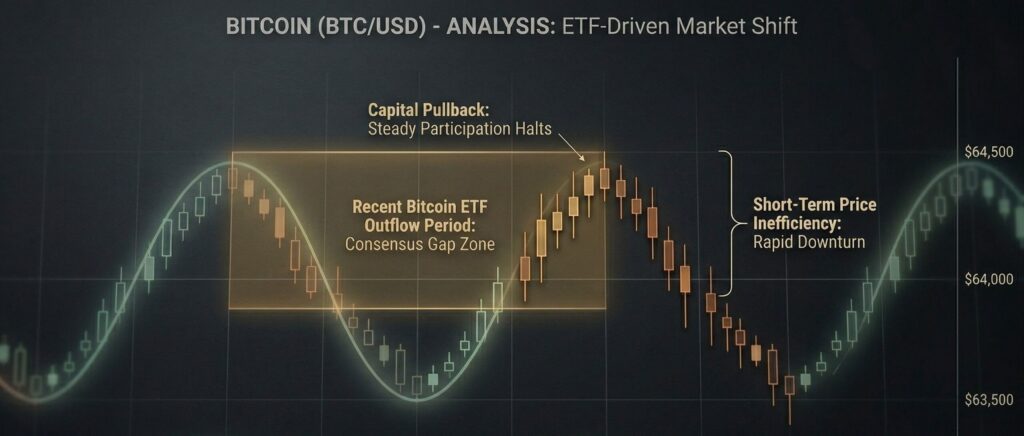
Perhaps the most important driver behind the current stabilization is the evolution of institutional participation—particularly through Bitcoin spot ETFs.
A Bitcoin spot ETF allows investors to gain exposure to Bitcoin without directly holding the asset. Instead, the fund holds actual Bitcoin and issues tradable shares representing that exposure. This structure has dramatically lowered the barrier to entry for institutional capital.
Recent data shows that ETF inflows over the past four weeks have significantly reduced net outflows for the year to approximately $364 million. This reversal suggests that institutional investors are re-entering the market after a period of caution.
Both K33 Research and Bernstein identify three critical conditions currently present:
- Declining selling pressure
- Stabilizing ETF inflows
- Range-bound price action
These factors have historically preceded major recovery phases in Bitcoin.
4. Crypto Equities: The Hidden Opportunity Layer
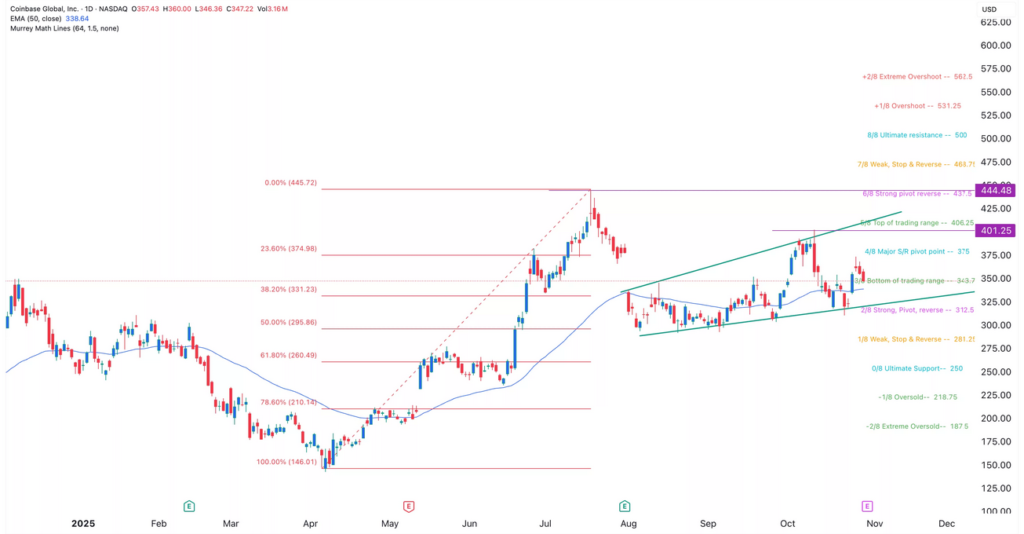
While much attention remains focused on Bitcoin itself, Goldman Sachs highlights a compelling secondary opportunity: crypto-related equities.
Companies such as Coinbase and Robinhood are positioned to benefit from renewed market activity, even if price appreciation remains gradual.
Additionally, firms like Figure Technologies are pioneering new financial models, such as blockchain-based home equity lending. These platforms represent a broader shift toward real-world blockchain applications beyond speculative trading.
From an investment standpoint, these equities often act as leveraged plays on crypto market sentiment. As institutional confidence returns, they may outperform underlying assets in certain phases of the cycle.
5. Macro Risks: The External Forces Still Matter
Despite improving internal market dynamics, external macroeconomic factors remain critical.
The trajectory of interest rates set by the Federal Reserve will significantly influence liquidity conditions. Higher rates typically suppress risk assets, while easing policies tend to support them.
Geopolitical tensions—particularly in the Middle East—also introduce uncertainty. Historically, such events can either dampen risk appetite or, paradoxically, increase demand for decentralized assets like Bitcoin as a hedge.
Institutional capital flows remain another key variable. While ETFs have stabilized, a full-scale re-entry of large funds has yet to occur. The timing of this shift could define the next major trend.
6. Technical Perspective: A Market in Equilibrium
From a technical analysis standpoint, Bitcoin currently exhibits neutral momentum.
Indicators such as the Moving Average Convergence Divergence (MACD) suggest a sideways trend, reflecting a balance between buyers and sellers. According to analysts like David Morrison, this phase is difficult to interpret.
Two scenarios remain possible:
- A continuation of consolidation before a breakout
- A retest of previous lows
7. Forward Outlook: From Stabilization to Expansion
Looking ahead, the crypto market appears to be transitioning from a corrective phase into a stabilization phase.
Bernstein maintains a $150,000 Bitcoin price target by the end of 2026, reflecting confidence in long-term adoption trends.
Several catalysts could drive the next expansion phase:
- Renewed institutional inflows
- Broader adoption of blockchain-based financial services
- Continued development of regulatory clarity
- Integration of crypto into traditional financial systems
At the same time, risks remain. A delay in monetary easing or unexpected geopolitical shocks could prolong the current range-bound environment.
Conclusion
The idea that Bitcoin may have already bottomed is gaining traction among major financial institutions. While uncertainty persists, the convergence of multiple indicators—ETF stabilization, reduced selling pressure, and institutional re-engagement—suggests that the market is entering a new phase.
For investors seeking the next wave of opportunity, this period may represent a critical transition point. Not a moment of explosive growth, but one of quiet accumulation and structural strengthening.
In crypto markets, these are often the moments that matter most.