Main Points :
- The Trump administration is set to resume talks on February 11 with banks and crypto firms over stablecoin yield provisions in the U.S. crypto market structure bill.
- At the core of the conflict is whether stablecoin issuers should be allowed to offer interest or rewards, a practice crypto firms see as essential and banks view as a systemic risk.
- Political complications, including the Trump family’s indirect involvement in a crypto venture backed by a $500 million Abu Dhabi investment, have intensified calls for ethics provisions.
- The outcome of these negotiations will directly shape the future profitability of stablecoins, on-chain finance, and crypto-based payment systems in the U.S.
- For investors and builders, the debate signals where yield, compliance, and institutional capital may converge—or clash—in the next cycle.
1. Why Stablecoin Yield Has Become the Most Controversial Issue in U.S. Crypto Policy
The White House under Donald Trump is expected to restart discussions on February 11 regarding one of the most divisive issues in U.S. crypto regulation: whether stablecoin issuers should be permitted to offer interest or other forms of yield.
According to reporting by Fox Business journalist Eleanor Terrett, the meeting will once again take place at the staff level but will include not only crypto industry associations, such as the Blockchain Association and the Digital Chamber, but also direct representatives from the banking sector. This is notable, as earlier discussions often relied on intermediaries rather than bank executives themselves.
At first glance, the issue may appear narrow. In reality, it strikes at the heart of how value is created and distributed in the digital dollar economy.
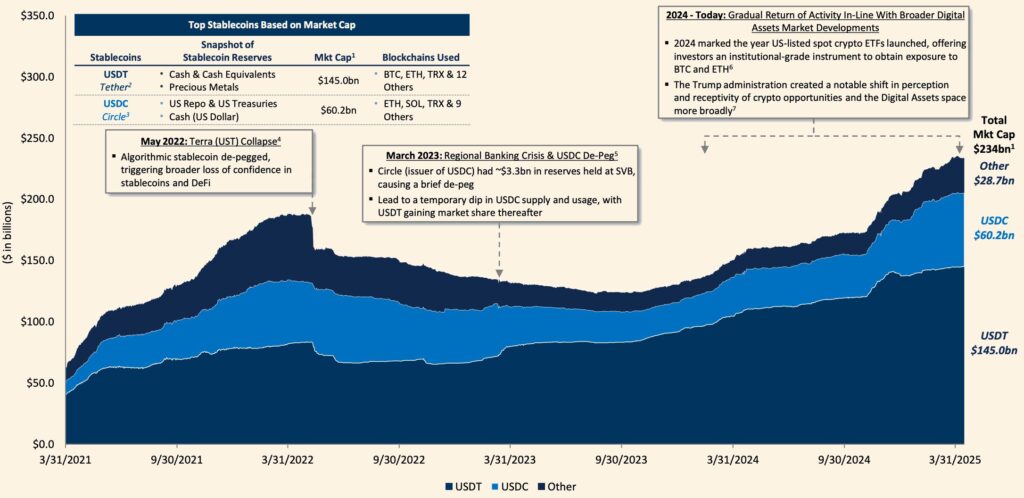
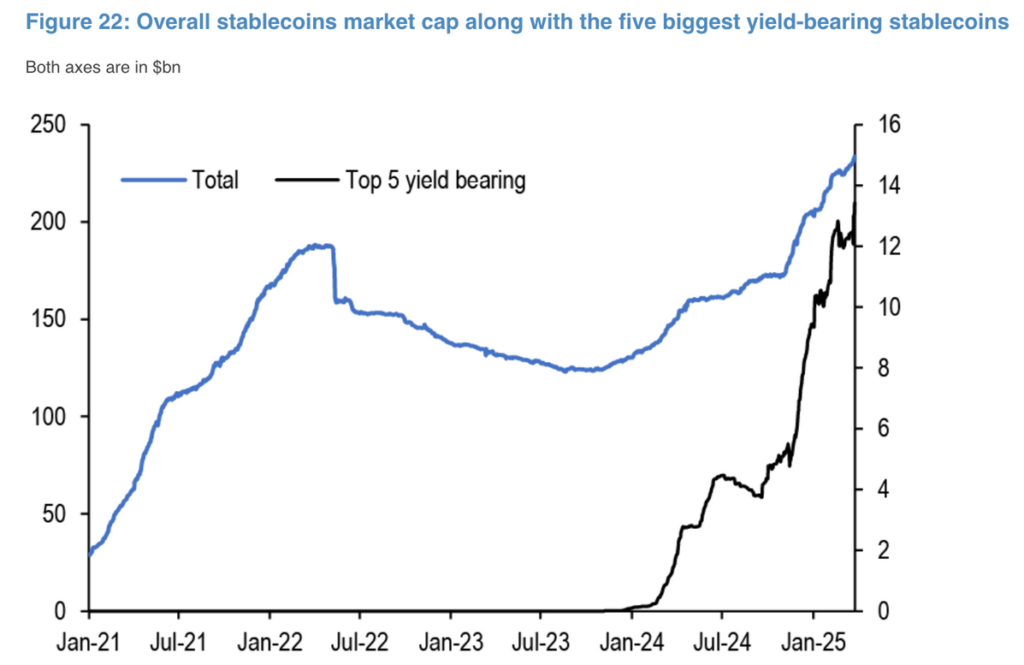
Stablecoins are no longer merely settlement tools. They are increasingly used as yield-bearing instruments through mechanisms such as reserve interest sharing, on-chain lending, and incentive programs. For crypto firms, banning yield would severely limit customer acquisition and undermine competition with both banks and decentralized finance (DeFi). For banks, however, allowing yield-bearing stablecoins threatens to accelerate deposit outflows, potentially weakening traditional balance sheets and financial stability.
2. The Stalemate: Banks vs. Crypto Firms
Over the past several months, the crypto market structure bill—often referred to as the “Clarity Act”—has been effectively stalled due to this single unresolved issue.
Crypto industry participants argue that prohibiting stablecoin rewards is fundamentally anti-competitive. In a world where U.S. Treasury bills yield over $4 annually per $100 invested, preventing stablecoin holders from receiving any share of reserve returns appears economically artificial. From their perspective, banks are seeking regulatory protection rather than fair competition.
Banks, represented by groups such as the American Bankers Association and the Independent Community Bankers of America, counter that stablecoin yield functions as a shadow deposit product. If large volumes of consumer funds migrate from insured bank deposits to privately issued stablecoins, the result could be heightened liquidity stress during market shocks.
Despite both sides describing recent talks as “constructive,” Reuters reports that no material compromise has yet been achieved. As a result, the Senate Banking Committee delayed a planned vote last month, citing insufficient bipartisan support to move the bill forward.
3. Political Complications and the Ethics Question
Beyond economics, politics have added another layer of complexity.
On February 5, Politico reported that the Trump family’s indirect involvement in a crypto venture known as World Liberty Financial has become a growing obstacle to consensus. The controversy intensified after disclosures that Abu Dhabi royal investors committed approximately $500 million to the project.
Democratic lawmakers argue that this investment underscores the need for explicit ethics provisions in any final market structure legislation. Senator Ruben Gallego stated that the deal “demonstrates exactly why ethics safeguards must be included in the final bill.”
Republicans, while generally supportive of crypto-friendly regulation, have acknowledged that some form of ethics language may be necessary to secure bipartisan backing. However, what constitutes an “acceptable” compromise has largely been left to the White House to define.
Crypto-supportive Senator Cynthia Lummis dismissed the criticism as politically motivated attacks on Trump, but she also conceded that the issue has become an additional political headache. With at least seven Democratic votes required to pass the bill in the Senate, the margin for error is thin.
4. What Is Really at Stake for Stablecoin Economics
To understand why this debate matters to investors and builders, it is useful to examine the economics of stablecoins.
Most U.S. dollar-backed stablecoins hold reserves in cash, Treasury bills, or similar low-risk instruments. At current interest rates, these reserves generate significant yield. The central question is who gets that yield.
If issuers are allowed to share returns with users, stablecoins can evolve into highly competitive financial products, blurring the line between payments, savings, and money market funds. If not, issuers retain the yield, and stablecoins remain primarily transactional tools.
This decision will influence:
- The attractiveness of U.S.-regulated stablecoins versus offshore alternatives.
- The integration of stablecoins into payroll, remittances, and corporate treasury operations.
- The long-term viability of on-chain financial products built around regulated digital dollars.
5. Visualizing the Conflict
Flow of Funds and Yield in Banks vs. Stablecoins
This diagram illustrates how deposits generate yield within traditional banks compared to how reserve assets generate yield within stablecoin structures, highlighting the core competitive tension.
6. Recent Legislative Progress—and Its Limits
While the House of Representatives passed its version of the market structure bill in July last year, progress in the Senate has been uneven. The Senate Agriculture Committee only approved its portion of the bill last month, and even then along party lines.
The Senate Banking Committee, which oversees the most contentious provisions, has yet to resume formal hearings. As of now, there is no confirmed timeline for renewed public deliberation.
This makes the February 11 meeting especially significant. It represents one of the last realistic opportunities to align banking concerns, crypto innovation, and political ethics into a single legislative package.
7. Market Implications for Investors and Operators
For readers seeking new crypto assets or revenue opportunities, the implications are concrete.
If yield-bearing stablecoins are permitted under a clear regulatory framework, expect renewed growth in:
- Regulated stablecoin issuers.
- On-chain lending and payments platforms integrated with U.S. dollars.
- Institutional adoption of blockchain-based treasury management.
Conversely, a restrictive outcome may push innovation offshore, benefiting non-U.S. issuers and increasing regulatory arbitrage.
8. Visualizing Possible Outcomes
Regulatory Scenarios and Market Impact
This comparison chart outlines three potential regulatory outcomes—full yield approval, partial restrictions, and outright bans—and their likely effects on adoption, capital inflows, and innovation.
9. Conclusion: A Defining Moment for U.S. Crypto Policy
The debate over stablecoin yield is not merely a technical dispute. It is a proxy for a much larger question: whether the U.S. financial system is willing to integrate blockchain-based money as a first-class citizen, or whether it will treat it as a tolerated but constrained alternative.
The Trump White House now finds itself at the center of this decision, balancing banking stability, crypto innovation, and political optics. The February 11 talks may not resolve every disagreement, but they will likely determine whether the U.S. moves toward clarity—or deeper fragmentation—in its crypto regulatory landscape.
For investors, builders, and institutions alike, the message is clear: stablecoins are no longer a side issue. They are becoming the battleground on which the next phase of digital finance will be decided.