Main Points :
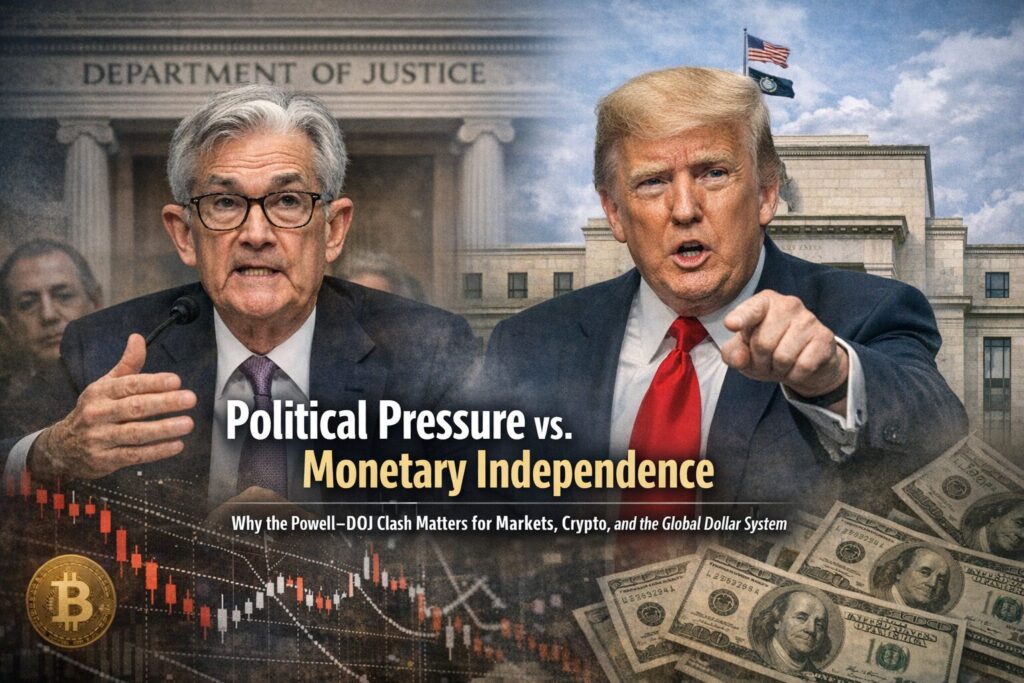
- Tensions between the U.S. executive branch and the Federal Reserve have escalated after Chair Jerome Powell publicly protested what he described as unprecedented pressure from the U.S. Department of Justice.
- The controversy centers on testimony regarding a multi-year Federal Reserve building renovation, but Powell argues the issue is being used as leverage to force interest-rate cuts.
- Former President Donald Trump has openly stated that the next Fed Chair should support aggressive rate reductions, raising concerns about central-bank independence.
- Market uncertainty is rising ahead of upcoming Federal Open Market Committee meetings and speculation over Powell’s successor.
- For crypto investors and builders, the episode reinforces why Bitcoin and decentralized finance remain sensitive to — and sometimes insulated from — political interference in monetary policy.
1. The DOJ Investigation and Powell’s Protest
On January 11, Federal Reserve Chair Jerome Powell issued an unusually strong statement condemning the U.S. Department of Justice for what he described as implicit threats of criminal prosecution against the central bank. According to Powell, the DOJ delivered a grand jury subpoena related to testimony he gave in June before the Senate Banking Committee concerning a long-term renovation project of Federal Reserve office buildings.
The renovation, which spans multiple years, has been criticized by figures aligned with the Trump administration as excessively costly and luxurious. Powell’s testimony sought to clarify the scope, necessity, and cost structure of the project, emphasizing transparency and compliance with congressional oversight. Nevertheless, the DOJ reportedly began examining whether Powell’s testimony contained false or misleading statements.
Powell rejected this framing outright. In his statement, he argued that the renovation issue is merely a pretext and that the true motive is pressure on the Fed’s monetary policy stance. According to Powell, the threat of criminal prosecution represents an unprecedented escalation — one that risks undermining the Federal Reserve’s statutory independence.
From a governance perspective, this is extraordinary. While the Federal Reserve is accountable to Congress, it is deliberately insulated from day-to-day political control to ensure that interest-rate decisions are made based on economic evidence rather than electoral incentives.
2. Central Bank Independence at Stake
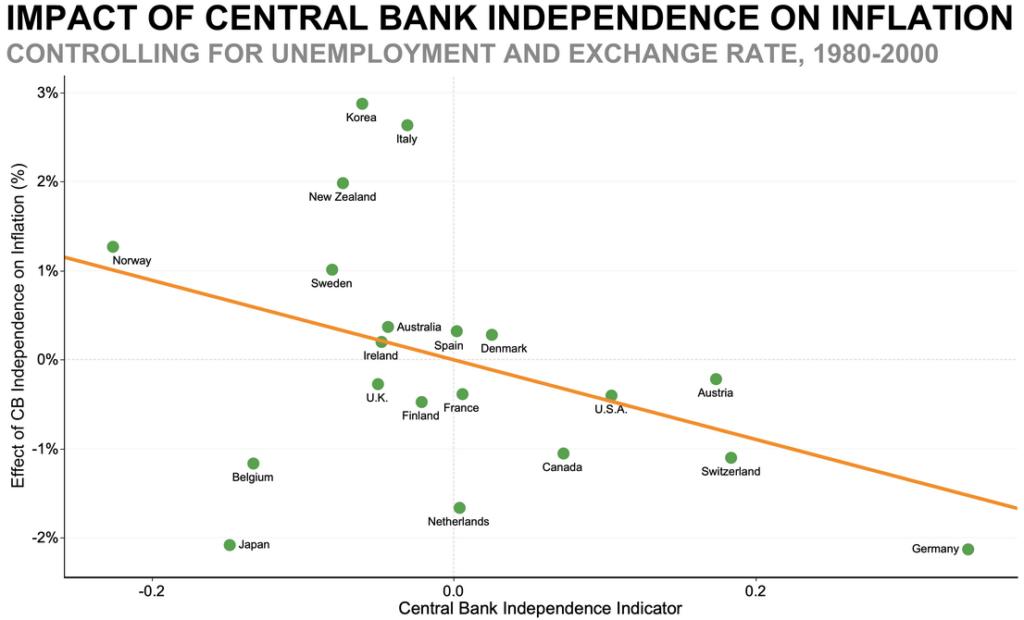
At the heart of the controversy lies a fundamental question: can the Federal Reserve continue to set interest rates based on data and long-term economic stability, or will monetary policy become subject to political coercion?
Powell explicitly framed the issue this way. He warned that if criminal threats can be used to influence policy outcomes, future Fed Chairs may be forced to prioritize political survival over economic judgment. This would mark a structural shift in the U.S. monetary system, bringing it closer to models seen in countries where central banks function as extensions of the executive branch.
Historically, central-bank independence has been correlated with lower long-term inflation and greater financial stability. The U.S. Federal Reserve, formally established in 1913, gained additional independence after the Treasury–Fed Accord of 1951, which ended the practice of pegging interest rates to government financing needs.
Any erosion of that independence would have implications far beyond U.S. borders. Because the dollar functions as the world’s primary reserve currency, political interference in U.S. monetary policy would ripple through global bond markets, foreign-exchange markets, and risk assets worldwide.
3. Trump’s Rate-Cut Agenda and the Succession Question
The controversy cannot be separated from the broader political context. Donald Trump has repeatedly criticized Powell for not cutting rates aggressively enough during his presidency. In recent remarks, Trump stated that the next Federal Reserve Chair would be someone who strongly supports large interest-rate cuts.
This has intensified speculation over Powell’s successor. Names frequently mentioned include Kevin Hassett, currently associated with the National Economic Council; Kevin Warsh, a former Federal Reserve Governor; and Christopher Waller, a sitting Fed Governor known for his analytical approach to monetary policy.
Hassett has publicly stated that neither he nor Trump has coordinated with the DOJ regarding the investigation into Powell. However, he also suggested that cost overruns in the Fed renovation project warrant scrutiny and that inconsistencies may exist between Powell’s testimony and building plans.
At the same time, Hassett argued that regardless of who leads the Fed, the institution should reflect on why inflation accelerated in recent years and how future policy errors can be avoided. He went further, asserting that the current strength of the U.S. economy is primarily attributable to Trump-era policies rather than Federal Reserve actions — a claim that many economists dispute.
4. Market Reactions and Rising Uncertainty
Financial markets are acutely sensitive to perceptions of Federal Reserve independence. Even the suggestion that interest-rate decisions could be politically influenced introduces a new risk premium.
Bond markets, in particular, depend on the credibility of the Fed’s inflation-fighting mandate. If investors believe rates will be cut for political reasons despite persistent inflation, long-term Treasury yields could rise rather than fall, reflecting higher inflation expectations.
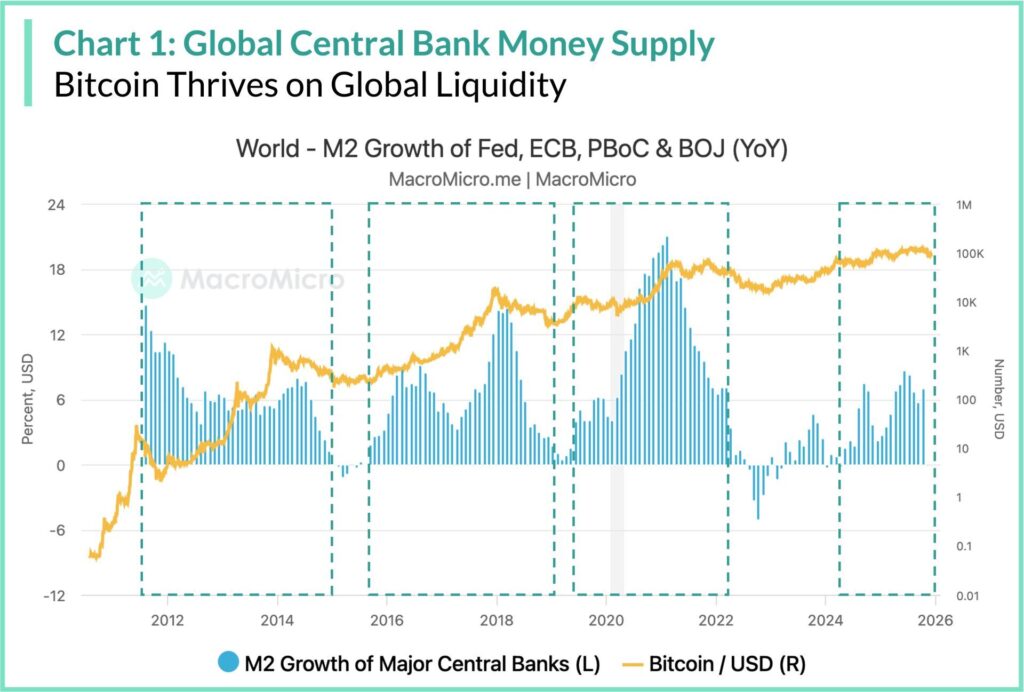
Equity markets face a more ambiguous outcome. While lower rates typically support stock valuations, politically driven easing may increase volatility and reduce confidence in long-term macroeconomic stability.
Crypto markets occupy a unique position in this environment. Bitcoin, often described as “digital gold,” has historically benefited from distrust in centralized monetary authorities. Episodes that highlight political interference in fiat systems tend to reinforce the narrative for decentralized, algorithmically constrained assets.
5. Implications for Crypto Investors and Builders
For readers seeking new crypto assets, yield opportunities, or practical blockchain applications, the Powell–DOJ clash offers several important takeaways.
First, it underscores why Bitcoin’s fixed supply and governance by code — rather than by political appointment — remain central to its value proposition. While Bitcoin is still influenced by macro liquidity conditions, it is not subject to direct political pressure.
Second, decentralized finance (DeFi) protocols that operate independently of central banks may see renewed interest if confidence in traditional monetary governance weakens. Stablecoins, particularly dollar-pegged ones, also come into focus. Their credibility ultimately depends on trust in U.S. monetary stability, making regulatory and political developments highly relevant.
Third, builders should anticipate increased regulatory attention during periods of political tension. Governments often seek greater oversight of alternative financial systems when traditional ones face legitimacy challenges.
6. Prediction Markets and the Fed Chair Race
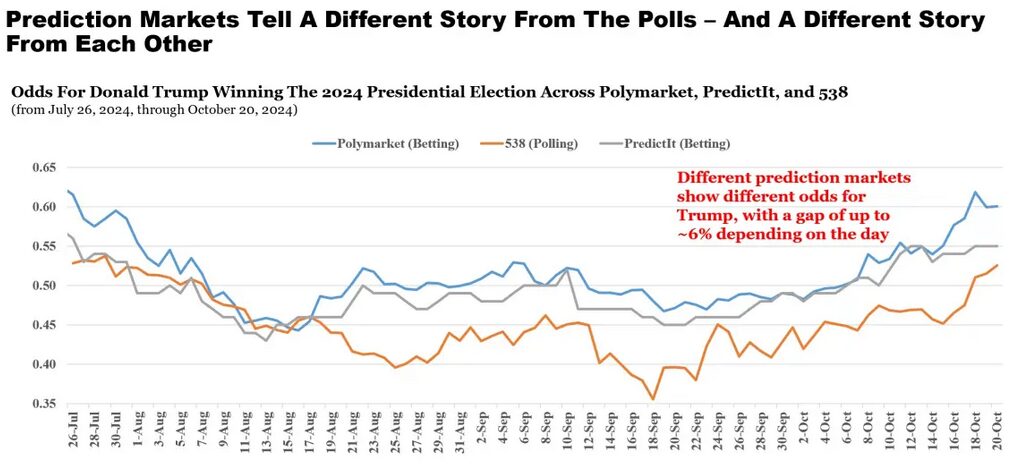
One of the most striking aspects of the current situation is how transparently market sentiment is being expressed through decentralized prediction platforms. On Polymarket, odds for the next Federal Reserve Chair show a near tie between Kevin Hassett at approximately 41% and Kevin Warsh at around 40%.
Christopher Waller trails with single-digit probabilities, followed by other figures such as Rick Rieder. While prediction markets are not forecasts in a strict sense, they aggregate real-time sentiment from participants who often have financial incentives to be accurate.
The close split reflects deep uncertainty — not only about who will lead the Fed, but about the broader direction of U.S. monetary governance.
7. Why This Matters Beyond the United States
The Federal Reserve’s decisions influence global liquidity conditions. Emerging markets, in particular, are sensitive to U.S. rate policy, as dollar-denominated debt becomes more expensive when rates rise.
If political pressure leads to premature or excessive rate cuts, it could trigger short-term capital flows into risk assets, followed by longer-term instability if inflation resurges. Conversely, a Fed that resists political interference may face short-term criticism but preserve long-term credibility.
For international crypto adoption, these dynamics matter. In countries where trust in central banks is already low, visible political conflict at the heart of the U.S. system may accelerate interest in decentralized alternatives.
Conclusion: A Defining Moment for Monetary Credibility
The clash between Jerome Powell and the U.S. Department of Justice is not merely a legal or political dispute over a building renovation. It represents a critical stress test for the principle of central-bank independence in the world’s most influential monetary system.
For traditional markets, the outcome will shape expectations for inflation, interest rates, and policy credibility. For the crypto ecosystem, it reinforces the relevance of decentralized monetary design and the ongoing search for financial systems resilient to political pressure.
Whether the Federal Reserve emerges from this episode with its independence intact — or fundamentally altered — will have lasting consequences. Investors, policymakers, and blockchain innovators alike should be watching closely.