Main Points :
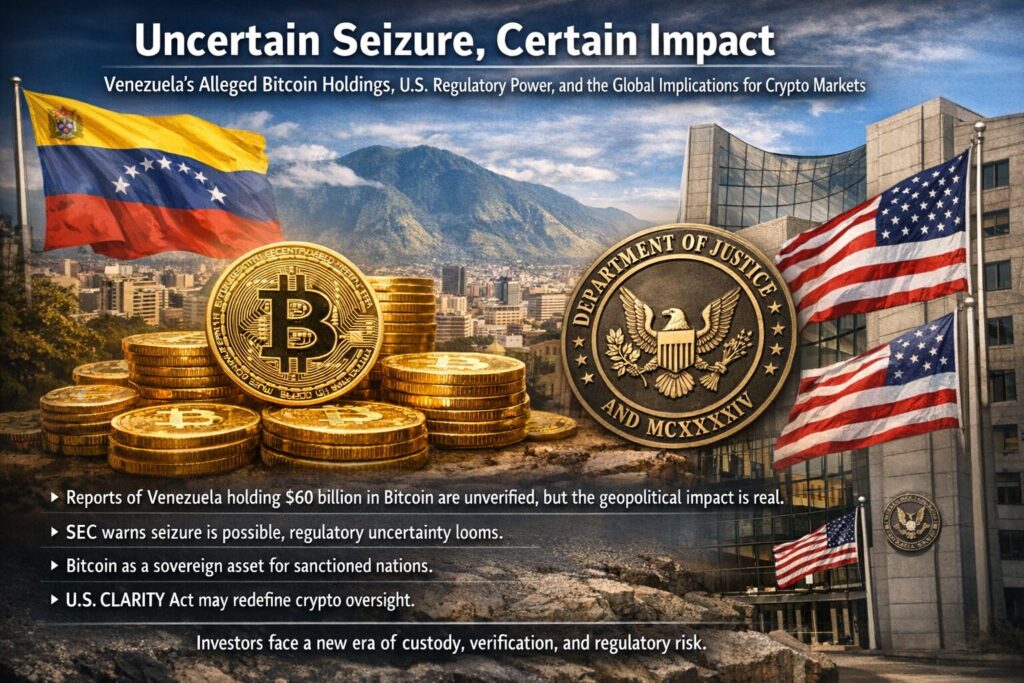
- Reports claiming that Venezuela holds up to $60 billion worth of Bitcoin remain unverified, yet their geopolitical impact is already significant.
- The U.S. Securities and Exchange Commission (SEC) has not ruled out the possibility of seizure, underscoring regulatory ambiguity.
- This case highlights the strategic role of Bitcoin as a sovereign asset in sanctioned or financially isolated states.
- Ongoing U.S. legislative efforts, including the CLARITY Act, could reshape jurisdiction between the SEC and CFTC.
- For investors and builders, the episode signals rising importance of custody transparency, on-chain verification, and regulatory arbitrage risks.
1. The Statement That Sparked Global Attention
In a recent interview with Fox Business, Paul Atkins, Chairman of the U.S. Securities and Exchange Commission, addressed reports claiming that Venezuela may control as much as 600,000 BTC, currently valued at approximately $60 billion.
Rather than confirming or denying the reports, Atkins stated that whether the United States would seize such assets—if the opportunity arose—was “unclear”, and outside his direct involvement. This ambiguity alone was enough to ignite debate across crypto markets, geopolitical circles, and regulatory institutions.
The comments followed reports that U.S. forces, acting under orders from Donald Trump, detained Venezuelan President Nicolás Maduro and transferred him to the United States to face criminal proceedings.
2. Do the Bitcoins Actually Exist?
Despite the headline-grabbing numbers, no blockchain intelligence firm has confirmed the existence of wallets linked to the Venezuelan state holding anything close to $60 billion in Bitcoin.
Leading on-chain analytics platforms have reported:
- No identifiable clusters consistent with sovereign-scale BTC custody
- No historical accumulation patterns matching oil-for-BTC or sanctions-evasion flows of that magnitude
- No confirmed cold wallets tied to Venezuelan government entities
This raises a critical question:
Is the story about actual Bitcoin—or about the idea of Bitcoin as a sovereign weapon?
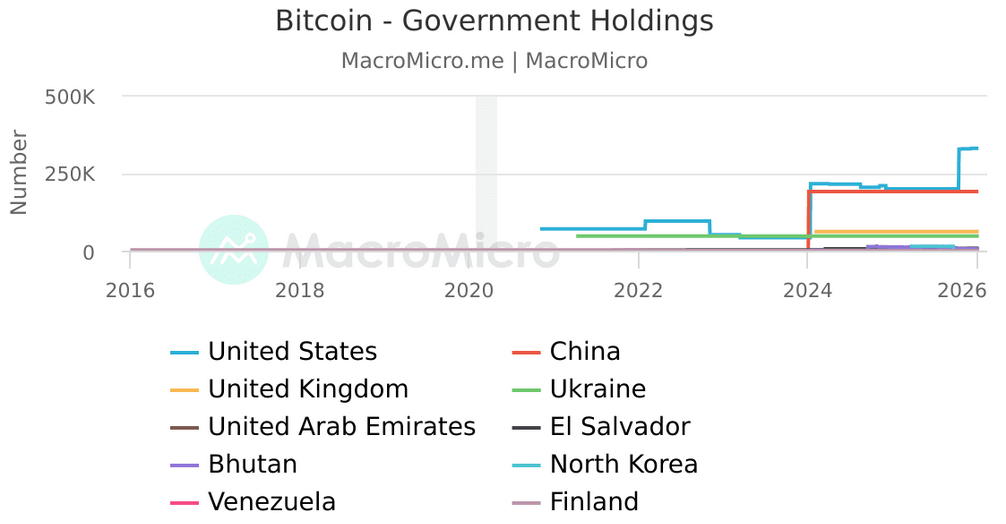
【“Estimated vs Verified State-Level Bitcoin Holdings (USD)”】
A comparative bar chart showing publicly verified BTC holdings of states (e.g., U.S. seized BTC, El Salvador) versus unverified claims (Venezuela).
3. Venezuela’s History With Crypto: Context Matters
While the $60 billion figure is unverified, Venezuela’s engagement with digital assets is not new.
- In 2018, the government launched the Petro, an oil-backed digital currency
- Crypto mining flourished informally due to subsidized electricity
- Bitcoin and stablecoins have been widely used by citizens to hedge against hyperinflation
However, state-level accumulation on a massive BTC scale would represent a radical escalation—transforming Bitcoin from a survival tool into a strategic reserve asset.
4. Can the U.S. Seize Bitcoin Held by a Foreign State?
Legally and technically, the answer is complex.
Legal Challenges
- Bitcoin is not held in correspondent banks
- Seizure requires either:
- Control of private keys
- Cooperation from custodians
- Physical access to signing devices
Precedent
The U.S. has successfully seized Bitcoin in criminal cases (e.g., Silk Road), but never at sovereign scale without custody access.
Thus, Atkins’ uncertainty reflects reality: regulatory authority does not equal cryptographic control.
5. Bitcoin as a Sovereign Asset: A New Era
This episode reinforces a broader global trend:
- States under sanctions explore non-sovereign monetary rails
- Bitcoin functions as:
- A censorship-resistant reserve
- A settlement layer outside SWIFT
- A political hedge against dollar dominance
Even the possibility of Venezuela holding such reserves signals Bitcoin’s evolving role in geoeconomic strategy.
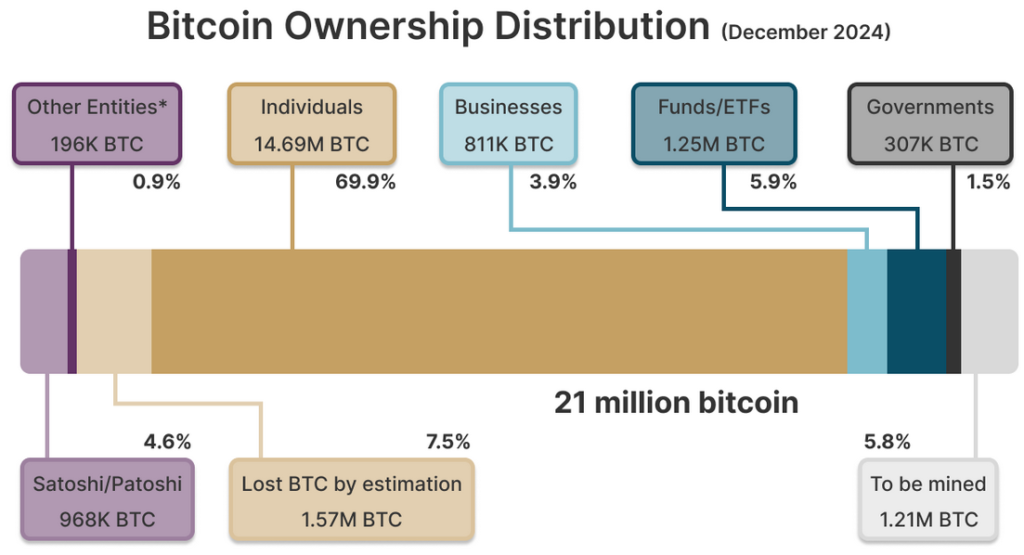
【“Bitcoin’s Role Evolution: From Retail Asset to Sovereign Instrument”】
A timeline-style graphic showing Bitcoin’s adoption phases.
6. U.S. Regulation in Parallel: The CLARITY Act
Atkins’ remarks coincided with renewed debate in the U.S. Senate over the Digital Asset Market Clarity (CLARITY) Act.
Key points:
- Passed by the House in July
- Delayed by a 43-day government shutdown
- Proposes shifting more oversight to the Commodity Futures Trading Commission
However, concerns remain:
- Stablecoin reward structures
- DeFi governance clarity
- Ethical safeguards for regulators and politicians
The bill’s fate remains uncertain amid election cycles and renewed shutdown risks.
7. Market Implications for Investors and Builders
For crypto-native investors and operators, several lessons stand out:
- Verification is everything
On-chain proof matters more than headlines. - Custody equals power
Sovereign or corporate BTC without transparent custody is a liability. - Regulatory arbitrage risk is rising
Jurisdictional uncertainty affects token issuance, exchanges, and wallets. - State narratives move markets
Even unverified claims can shift sentiment and volatility.
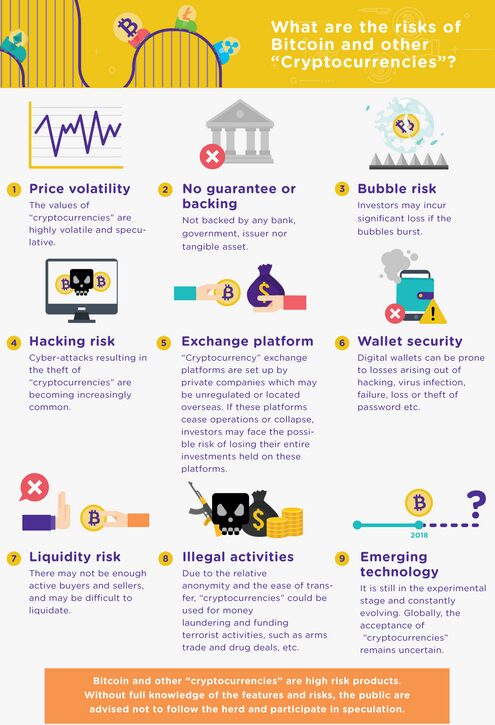
【“Risk Map: Sovereign Bitcoin Holdings and Market Impact”】
A conceptual risk matrix showing regulatory, custody, and geopolitical risks.
Conclusion: Uncertainty as the New Constant
Whether Venezuela holds $60 billion in Bitcoin may never be conclusively proven. Yet the episode itself reveals a deeper truth: Bitcoin has entered the realm of sovereign power politics.
For regulators, it exposes the limits of enforcement.
For governments, it presents an alternative reserve path.
For investors and builders, it underscores the urgency of transparency, compliance, and strategic foresight.
In a world where money is code and custody is sovereignty, uncertainty is no longer a bug—it is the system.