Key Takeaways :
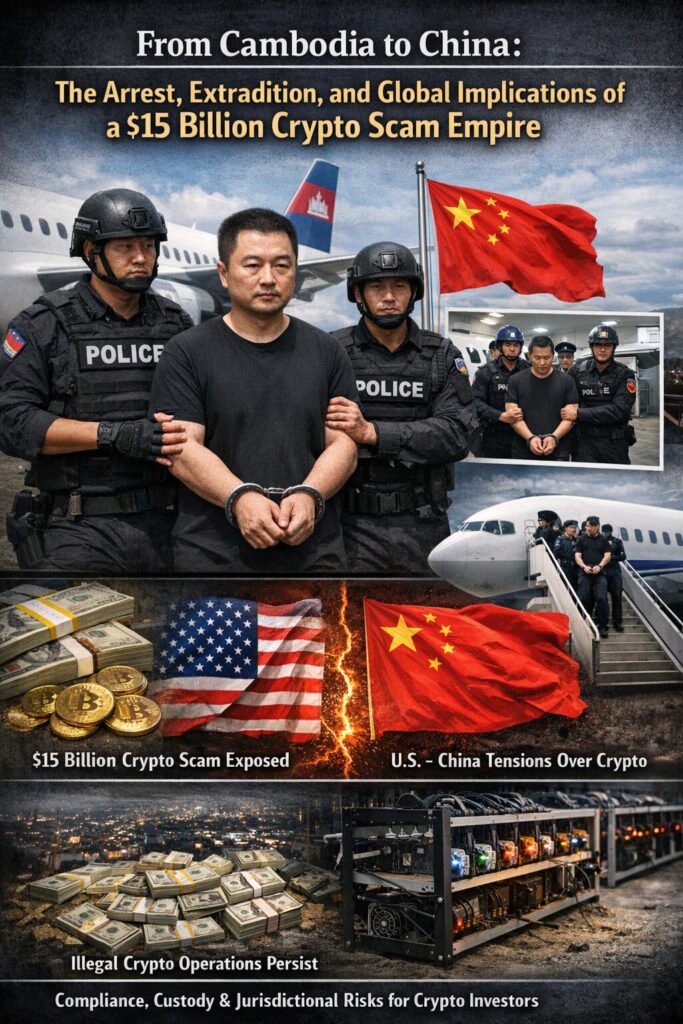
- A Chinese businessman accused of orchestrating one of the world’s largest crypto scam operations was arrested in Cambodia and extradited to China.
- U.S. prosecutors allege the scam generated over $15 billion in illicit crypto proceeds through investment fraud and romance scams.
- The case exposes deep geopolitical tensions between the U.S. and China over crypto asset seizures, hacking allegations, and law enforcement methods.
- Despite China’s 2021 crypto ban, mining and underground trading activities are resurging, complicating enforcement.
- For crypto businesses and investors, the incident underscores the importance of compliance, custody transparency, and jurisdictional risk management.
1. The Arrest That Shook the Crypto Underworld
In early January 2026, Cambodian authorities arrested Chen Zhi, a Chinese entrepreneur accused of masterminding a vast international cryptocurrency fraud network. According to Cambodian media reports, the arrest occurred earlier in the week, followed swiftly by Chen’s extradition to China at the request of Chinese authorities.
Cambodia’s Ministry of Information confirmed that Chen, the founder and chairman of the Prince Group, had been detained and transferred. While Chinese authorities have not yet publicly clarified whether formal prosecution has commenced, the extradition itself marks a significant milestone in transnational crypto crime enforcement.
What makes this case exceptional is not merely the scale of the alleged fraud, but the intersection of crypto crime, human trafficking, and geopolitical rivalry.
2. Allegations: Forced Labor, Romance Scams, and Crypto Investment Fraud

U.S. prosecutors allege that Chen oversaw scam facilities in Cambodia where victims of human trafficking were forced to work under coercive conditions. These facilities allegedly conducted:
- Crypto investment scams, promising unrealistic returns
- Romance scams, targeting victims through social media and messaging apps
- Pig-butchering schemes, where victims are groomed over time before large financial extraction
According to U.S. Department of Justice filings, these operations generated tens of billions of dollars in crypto-denominated proceeds, primarily in Bitcoin.
The DOJ has formally charged Chen with wire fraud and money laundering, seeking the forfeiture of:
- Approximately $15 billion worth of Bitcoin
- Several hundred million dollars in real estate and other assets
The scale places this case among the largest crypto-related criminal prosecutions in history.
3. The Bitcoin Seizure Controversy: $20 Billion and a Mining Pool Hack
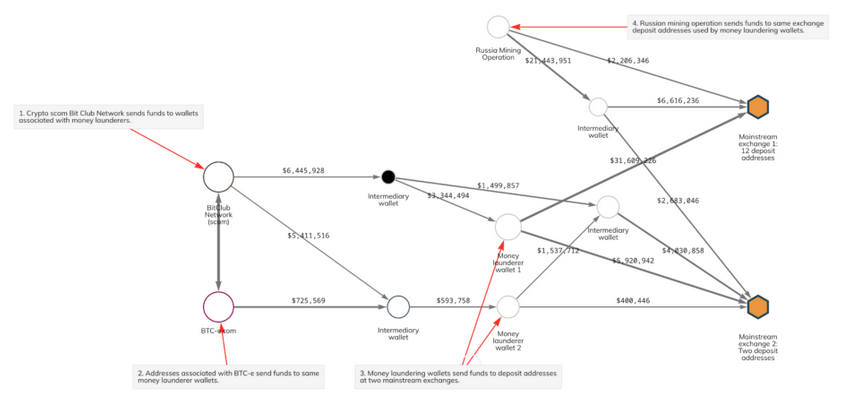
The case took a dramatic turn when Chinese authorities publicly criticized the United States over its asset seizure methods.
In November 2025, China’s National Computer Virus Emergency Response Center released a report revisiting a December 2020 hack involving the Chinese Bitcoin mining pool LuBian. That incident involved the theft of 127,272 BTC, now worth approximately $20 billion.
The controversy stems from a striking coincidence:
- The amount of Bitcoin reportedly seized by U.S. authorities in the Chen Zhi case
- The amount stolen from the LuBian mining pool
Chinese officials suggested that the U.S. government may have used state-level hacking techniques to seize the Bitcoin, characterizing the operation as “black eating black”—a phrase implying criminals using criminal methods against other criminals.
The U.S. Department of Justice has not publicly acknowledged these allegations.
4. What Is a Mining Pool—and Why It Matters Here
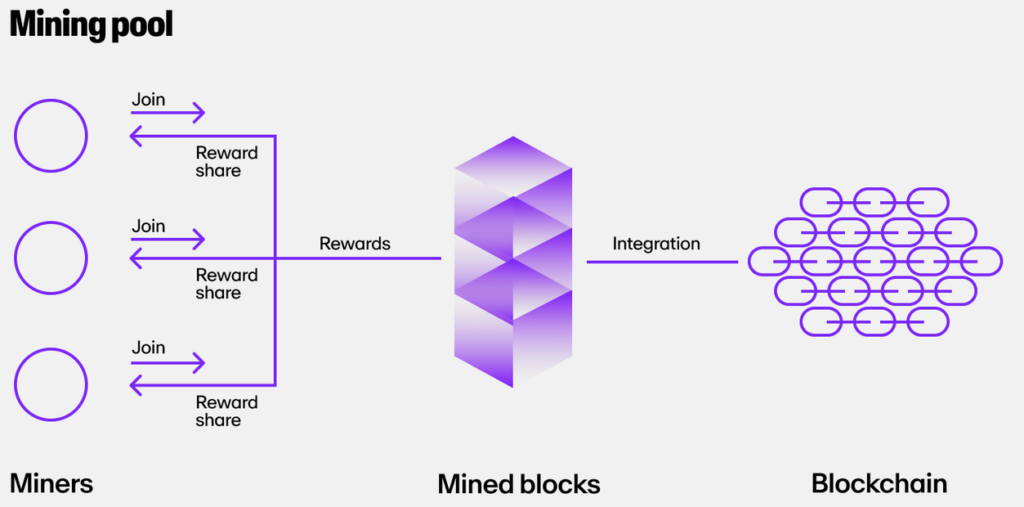
A Bitcoin mining pool is a cooperative arrangement where multiple miners combine computational resources to improve their chances of earning block rewards. Rewards are distributed proportionally among participants.
Because mining pools often custody large amounts of Bitcoin, they are high-value targets for:
- External hacking
- Insider compromise
- Law enforcement seizures
This case highlights a critical operational risk: custody concentration.
For legitimate crypto businesses, it reinforces the need for:
- Transparent custody architecture
- Clear segregation of assets
- Jurisdiction-aware risk controls
5. Geopolitics and Crypto Law Enforcement
Beyond criminal allegations, the case reflects growing geopolitical friction.
China’s accusation implies that the U.S. government may have:
- Conducted cyber operations beyond traditional law enforcement
- Applied extraterritorial seizure mechanisms
Meanwhile, reports suggest that the U.S. DOJ recently sold portions of seized Bitcoin, allegedly in conflict with a presidential executive order issued by Donald Trump.
This raises unresolved questions:
- Who has legitimate authority over seized crypto assets?
- Under what jurisdiction should they be liquidated?
- How transparent must governments be when handling confiscated digital assets?
For institutional investors and exchanges, these uncertainties translate into sovereign risk.
6. China’s Crypto Paradox: Bans, Resurgence, and Reality
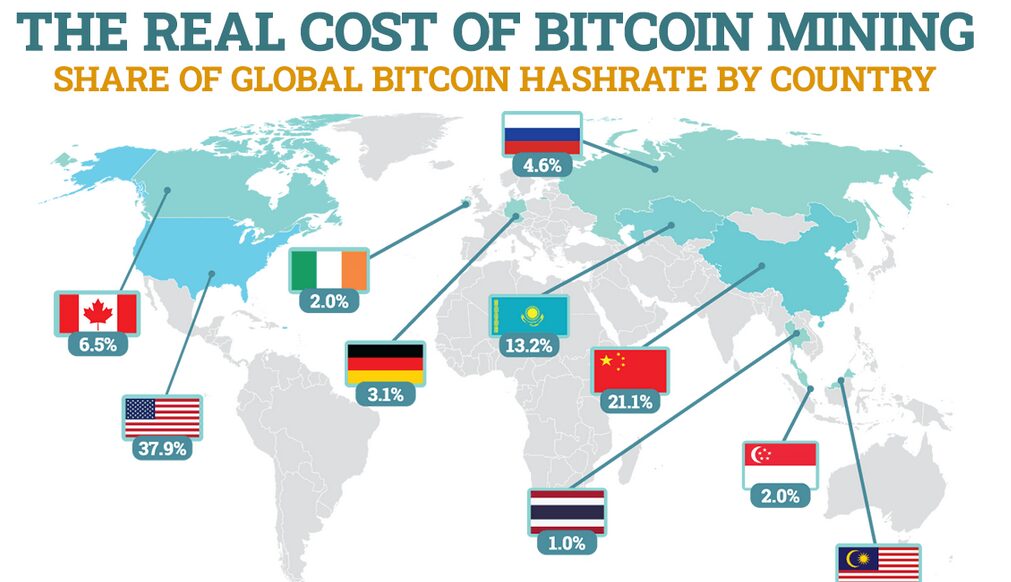
China officially banned cryptocurrency trading and mining in September 2021. However, reality paints a more complex picture.
According to Reuters reporting in late 2025:
- Bitcoin mining has quietly resumed in Xinjiang and Sichuan
- China has re-emerged as the third-largest global mining hub
Underground OTC trading and offshore platforms remain active despite the ban.
In response, the People’s Bank of China reaffirmed in early January 2026 that it would:
- Strengthen monitoring of crypto-related activities
- Continue cracking down on associated criminal networks
This paradox—official prohibition alongside practical resurgence—creates gray zones that sophisticated actors exploit.
7. Implications for Investors and Crypto Operator
For readers seeking new crypto opportunities or practical blockchain use cases, this case delivers several critical lessons:
Compliance Is Not Optional
Cross-border crypto businesses must assume that:
- Jurisdictional boundaries are porous
- Enforcement cooperation is increasing
Custody Transparency Matters
Large balances attract scrutiny—from hackers and governments alike.
Jurisdictional Risk Is Real
Where assets are held can matter as much as how they are secured.
Scams Are Becoming Institutional-Scale
Modern crypto fraud is no longer small-time—it resembles multinational enterprises.
8. Conclusion: A Turning Point for Crypto’s Maturity
The arrest and extradition of Chen Zhi represents more than the fall of a single alleged criminal mastermind. It marks a transition phase for the global crypto ecosystem.
Crypto is no longer operating in regulatory shadows. Governments are:
- Coordinating across borders
- Treating digital assets as strategic financial instruments
- Willing to deploy extraordinary measures to seize and control value
For legitimate builders, investors, and institutions, this maturation is ultimately positive—but only for those prepared to operate transparently, compliantly, and with geopolitical awareness.
The era of “regulation-free arbitrage” is ending. What replaces it is a more complex, but ultimately more sustainable, crypto economy.