
Main Points :
- 2025 shattered consensus forecasts: despite regulatory progress and institutional inflows, Bitcoin stagnated while volatility migrated elsewhere.
- Systemic risk resurfaced through an unprecedented October market crash that erased nearly $19 billion in leveraged positions within hours.
- Politics entered crypto directly, with officially endorsed meme coins creating both speculative manias and credibility crises.
- DeFi matured structurally, as Hyperliquid proved that decentralized exchanges can rival centralized platforms in scale and profitability.
- Narratives shifted from “Bitcoin-only upside” to a fragmented market where UX, market structure, and use-case specialization matter more than ever.
Introduction: A Year That Refused to Follow the Script
On December 29, 2025, leading crypto media outlet Bitcoin.com published its annual “Surprise of the Year” report, reviewing the most unexpected developments in the cryptocurrency market.
What makes the 2025 edition exceptional is not merely the scale of individual events, but how consistently the market contradicted expert expectations. Entering the year, analysts broadly agreed on a bullish thesis: a more crypto-friendly U.S. administration, progress on stablecoin regulation, accelerating ETF adoption, and growing institutional acceptance.
Instead, the market delivered a fragmented reality. Bitcoin failed to rally. Political meme coins dominated headlines. A decentralized exchange quietly generated billions in volume. Privacy coins staged a dramatic comeback. And one sudden crash exposed the fragility of leverage-driven liquidity.
This article synthesizes Bitcoin.com’s year-end findings, expands them with additional industry context, and interprets what these “surprises” reveal about crypto’s evolving market structure. It is written for readers seeking new digital assets, emerging revenue opportunities, and practical blockchain use cases, rather than speculative headlines alone.
1. The October 10 Market Crash: The Largest Liquidation Event in Crypto History
[Intraday Bitcoin Price Drop and Forced Liquidations on October 10, 2025]
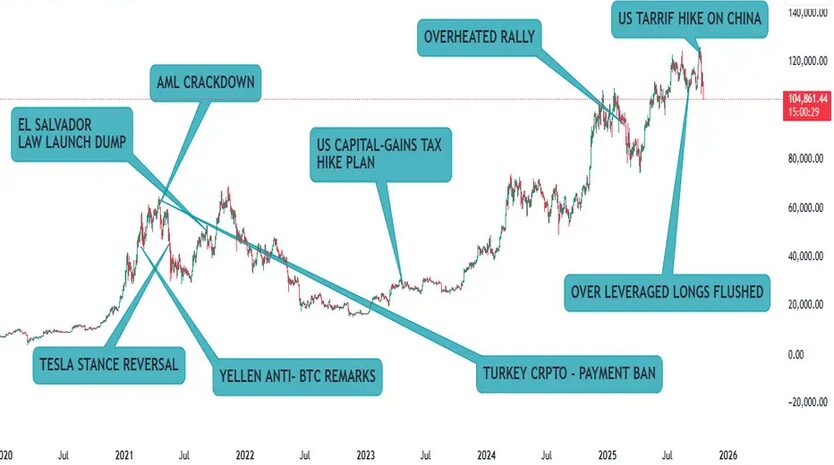
On October 10, 2025, the crypto market experienced the most violent liquidation cascade in its history. Bitcoin plunged from approximately $117,000 shortly after making a new all-time high to nearly $100,000 within hours.
Roughly $19 billion in leveraged positions were forcibly liquidated across exchanges, dwarfing previous crash events. The trigger, according to market consensus, was former U.S. President Donald Trump’s announcement of 100% additional tariffs on Chinese goods, which reignited fears of a renewed U.S.–China trade war.
Yet geopolitics alone cannot explain the scale of the collapse. Analysts highlighted several compounding factors:
- Excessive leverage accumulation during a complacent uptrend
- Liquidity thinning across major exchanges
- Oracle errors and temporary engine halts at Binance, which amplified slippage
- Possible coordinated sell pressure exploiting fragile order books
The crash revealed an uncomfortable truth: even in a supposedly “institutionalized” market, crypto liquidity can still evaporate instantly when leverage dominates price discovery.
Bitcoin.com ranked this event fifth among 2025’s biggest surprises—not because crashes are new, but because the speed, scale, and systemic nature of this one exceeded all historical precedents.
2. Official Political Meme Coins: When Power Meets Speculation
[$TRUMP and $MELANIA Price Trajectories vs Market Cap]
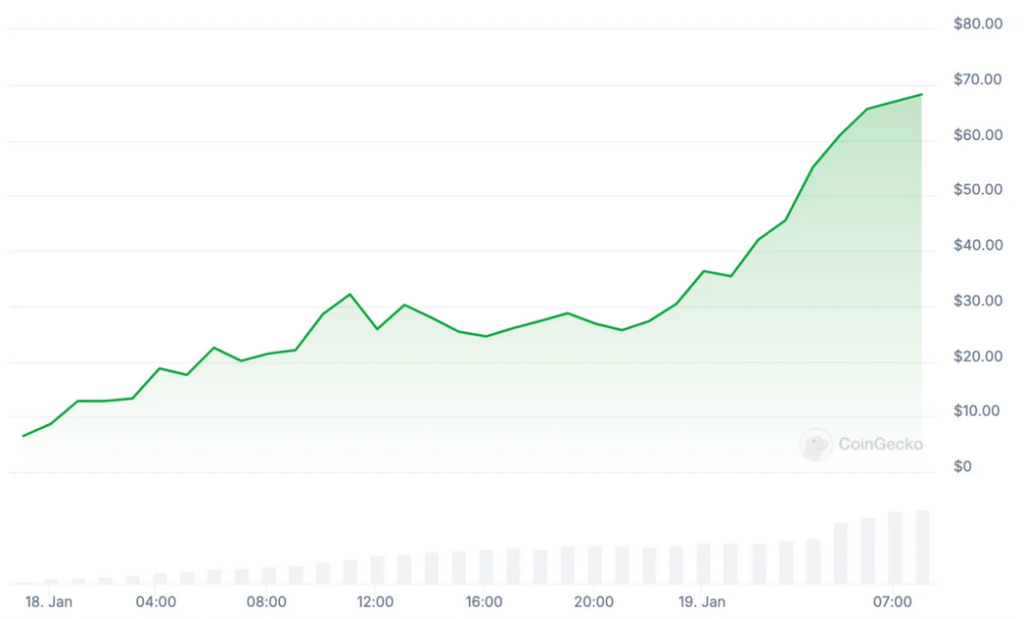
Few developments shocked the industry more than the launch of an officially endorsed political meme coin.
In early 2025, Donald Trump unveiled $TRUMP, a token publicly sanctioned by a former U.S. president. Within days, its price surged from under $10 to a peak of $74.59, pushing its market capitalization above $10 billion and briefly into the top-20 crypto assets globally.
Shortly thereafter, First Lady Melania Trump followed with $MELANIA, which reportedly reached a $13 billion market cap at its height. Ironically, its debut triggered a sharp correction in $TRUMP, with prices falling more than 50% in a matter of days.
The reaction from industry veterans was fierce. Investor Anthony Scaramucci described the phenomenon as “corrosive to crypto’s credibility,” arguing that it blurred the line between innovation and exploitation.
Yet from a market-structure perspective, the episode was revealing:
- Attention liquidity now rivals capital liquidity
- Political branding proved more powerful than white papers or roadmaps
- Meme coins evolved from fringe jokes into mass-market financial instruments
Bitcoin.com ranked this fourth, emphasizing that the true surprise was not speculation itself, but the direct participation of political authority in token issuance.
3. Hyperliquid: The Rise of a Profitable, High-Performance DEX
[Insert Chart 3: Hyperliquid Daily Trading Volume vs Major CEX Benchmarks
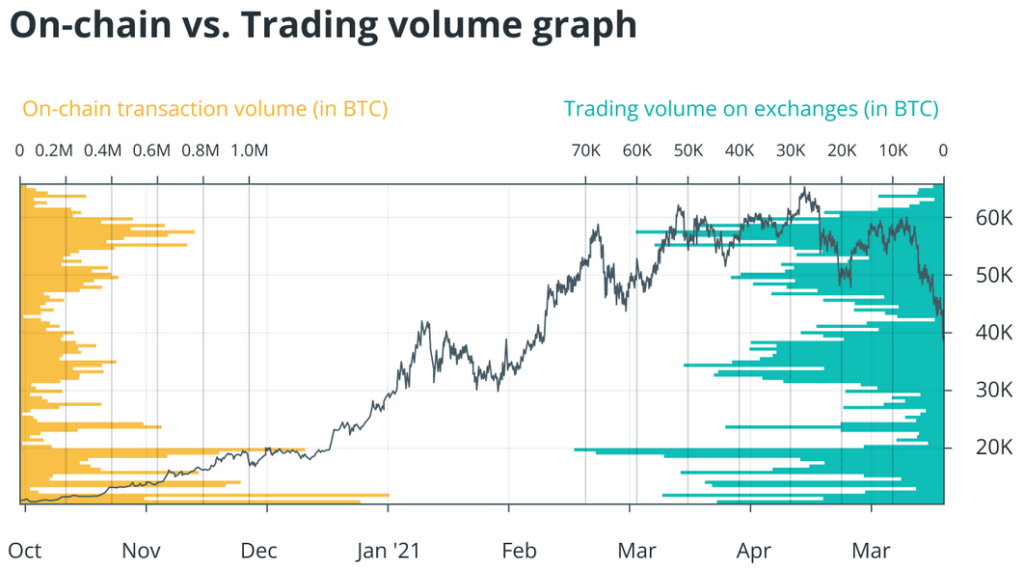
Perhaps the most structurally important development of 2025 was the meteoric rise of Hyperliquid, a decentralized derivatives exchange launched only the year before.
Built on a proprietary Layer-1 blockchain, Hyperliquid achieved what many considered impossible:
- Over 70% market share in on-chain derivatives
- Average daily volume of $5 billion, peaking at $8.6 billion
- Annual trading volume near $2.9 trillion
- Revenue of approximately $844 million in 2025
- Operated by a core team of fewer than 20 people
Crucially, Hyperliquid offered zero gas fees, near-instant execution, and no mandatory KYC—features traditionally associated with centralized exchanges.
Its native token, HYPE, reached a market capitalization of roughly $5 billion, while daily active users exceeded 50,000.
Bitcoin.com ranked Hyperliquid third, framing it as proof that DeFi is no longer an experiment, but a viable, capital-efficient alternative to centralized financial infrastructure.
4. The Revival of Privacy Coins: Zcash’s Unexpected Surge
[Insert Chart 4: Zcash Price Growth and Volume Expansion in Q4 2025]
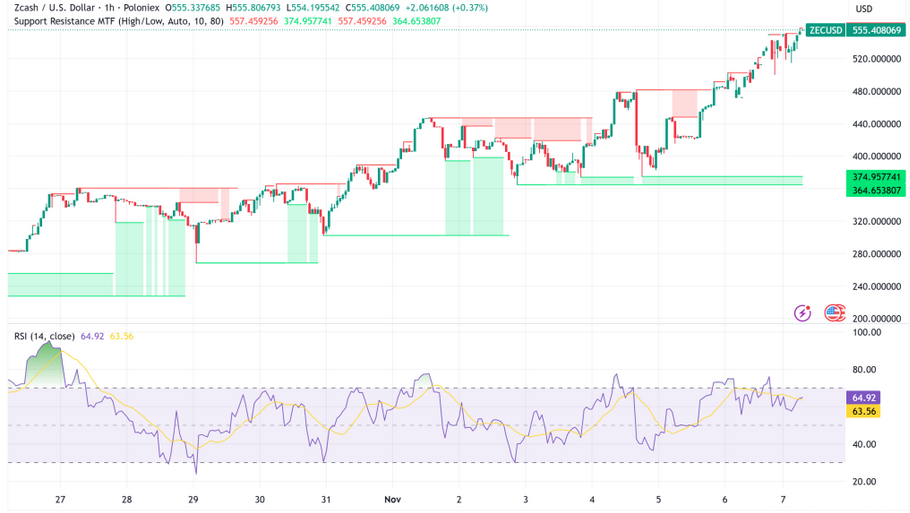
Privacy coins, long sidelined by regulatory pressure, made a dramatic return in late 2025. The standout was Zcash, whose price surged more than 700% between October and November, briefly touching $450.
Critics argued the rally was artificial—a thin market manipulated by large players. Macro analyst Lyn Alden publicly characterized the move as a “manufactured pump.”
However, a contrasting analysis from Galaxy Digital suggested deeper forces at work:
- Bitcoin’s institutionalization reduced its appeal as a privacy asset
- Improved Zcash UX lowered adoption friction
- Renewed interest in financial anonymity as a feature, not a liability
Bitcoin.com ranked this second, noting that the real surprise was not the price spike itself, but the return of privacy as a legitimate narrative in a compliance-heavy era.
5. Bitcoin’s Stagnation: The Ultimate Surprise
[Insert Chart 5: Bitcoin 2025 YTD Performance vs ETF Inflows]
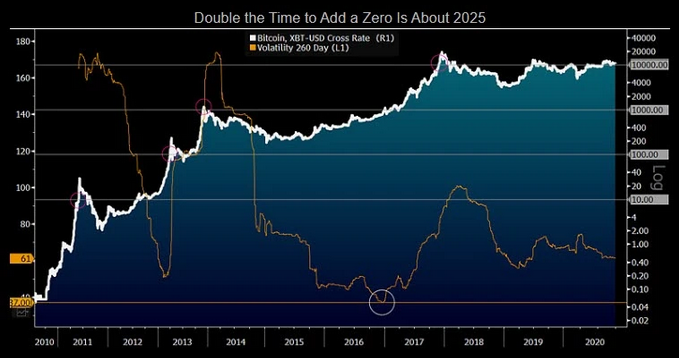
Despite every apparent tailwind, Bitcoin ended 2025 largely flat, trading near $88,000—almost unchanged from the start of the year.
This outcome stunned analysts. Why didn’t Bitcoin rise?
Several explanations gained traction:
The “Silent IPO” Theory
Jordi Visser proposed that early holders used 2025’s bullish news flow to quietly distribute holdings to new investors, suppressing price appreciation without triggering panic.
Institutional Distribution
Galaxy Digital disclosed facilitating the sale of approximately $9 billion worth of Bitcoin on behalf of clients, while dormant coins began moving on-chain.
Structural Change in Cycles
Asset manager 21Shares argued that the rise of corporate Bitcoin treasuries (“Digital Asset Treasuries”) introduced persistent sell pressure, undermining the traditional four-year halving cycle.
Bitcoin.com ranked this first, concluding that Bitcoin’s failure to rally—despite perfect conditions—was the most profound surprise of all.
Conclusion: What 2025 Taught the Crypto Market
By the end of 2025, the crypto market stood at an inflection point. Prices stagnated, yet infrastructure matured. Speculation intensified, yet fundamentals improved. Capital flowed in, yet returns fragmented.
The lesson is clear: crypto has outgrown single-asset narratives. Opportunity now lies in understanding:
- Market structure rather than hype
- UX and execution over ideology
- Specialized platforms instead of one-size-fits-all assets
For investors and builders alike, 2025 was not a disappointment—it was a recalibration. And those who internalize its surprises may be best positioned for what comes next.