
Main Points :
- Bitcoin reached an all-time high of approximately $126,000 in October 2025, before retreating to around $88,000 by year-end
- The 2025 cycle was defined by policy-driven optimism, sudden risk-off shocks, and large-scale leverage liquidations
- Spot Bitcoin ETFs amplified both upside momentum and downside pressure through capital inflows and outflows
- Retail investors learned hard lessons about volatility management, leverage risk, and correlation with traditional markets
- Preparing for 2026 requires position review, security reinforcement, and tax-readiness, not market timing
1. Overview: Why 2025 Was a Defining Year for Bitcoin
The year 2025 will likely be remembered as one of the most instructive periods in Bitcoin’s history.
It was not merely a year of price appreciation or decline, but a stress test of Bitcoin’s maturity as a global financial asset.
Bitcoin entered 2025 with strong momentum from the previous year, fueled by optimism around regulatory clarity, institutional participation, and the normalization of spot Bitcoin ETFs. These expectations drove prices steadily upward, culminating in a historic peak of approximately $126,000 in October 2025.
However, the same year ended with Bitcoin trading closer to $88,000, reminding investors that structural growth does not eliminate cyclical risk.
This article synthesizes the full arc of Bitcoin’s 2025 journey—price action, ETF flows, macro shocks—and extracts practical lessons for investors and blockchain practitioners preparing for 2026.
2. Bitcoin Price Performance in 2025: The Numbers That Matter
Before interpreting narratives, it is critical to anchor analysis in facts.
Key Price Benchmarks (as of December 29, 2025)
| Indicator | Price Level |
|---|---|
| Year-end price | ~$88,000 |
| All-time high (October) | ~$126,000 |
| Intra-year low (approx.) | ~$74,500 |
[Bitcoin price movement throughout 2025]
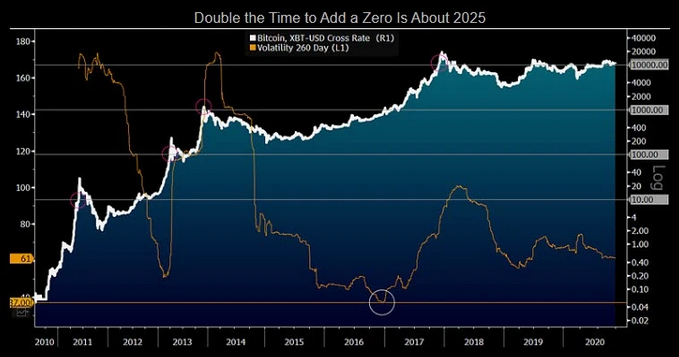
The magnitude of this range illustrates a crucial reality: Bitcoin in 2025 was not a low-volatility institutional bond substitute, but a high-beta macro asset.
3. Why Did Bitcoin Move This Way? Three Structural Drivers
3.1 Policy Expectations and “Front-Loaded Optimism”
During the first half of 2025, Bitcoin benefited from anticipatory pricing. Markets began discounting:
- Continued regulatory normalization in major economies
- Broader ETF adoption by asset managers
- Political narratives supportive of digital assets
This “policy premium” pushed prices higher before tangible outcomes materialized.
Historically, such expectation-driven rallies tend to be fragile once reality diverges from narrative.
3.2 Risk-Off Shock and Leverage Liquidations (October Collapse)
October 2025 marked the turning point.
A combination of global risk-off sentiment—driven by macroeconomic uncertainty, geopolitical concerns, and tightening financial conditions—triggered a violent unwind. The most damaging factor was excessive leverage.
Market data and exchange reports indicated that approximately $19 billion in leveraged positions were liquidated across crypto markets in a short period.
[Estimated leverage liquidations during October 2025]

Once forced liquidations began, selling pressure became self-reinforcing, dragging even spot holders into the drawdown.
3.3 ETF Flow Deceleration and Year-End Outflows
Spot Bitcoin ETFs, hailed as a stabilizing force, played a dual role in 2025.
- Early-year inflows amplified upward momentum
- Late-year outflows increased downside pressure
Especially in December, ETF redemptions—driven by profit-taking, portfolio rebalancing, and thin holiday liquidity—acted as a psychological ceiling on recovery attempts.
Importantly, ETF outflows do not necessarily imply long-term bearishness, but they strongly influence short-term price dynamics.
4. Institutional Investors and ETFs: What Changed in 2025
2025 was not the year institutions “arrived”—that already happened.
It was the year investors learned how institutions behave.
Key observations:
- Institutions trade Bitcoin as part of a portfolio, not as ideology
- Flows respond to risk budgets, correlations, and calendar effects
- Bitcoin increasingly moved in tandem with equities, especially technology stocks
This reinforced Bitcoin’s evolving role as a macro-sensitive asset, not an isolated hedge.
5. Three Hard Lessons Retail Investors Learned in 2025
Lesson 1: Define Downside Before Chasing Upside
Investors who predefined acceptable drawdowns and actions (hold, add, reduce) navigated volatility with far less emotional stress.
Lesson 2: Bitcoin Can Correlate with Stocks—Until It Doesn’t
In risk-off environments, Bitcoin behaved less like “digital gold” and more like a high-growth risk asset.
Lesson 3: Leverage Is Most Dangerous on the Worst Days
Leverage magnifies returns only in stable trends.
On breakdown days, it accelerates losses and triggers cascading liquidations.
6. Preparing for 2026: A Practical Checklist
Rather than predicting prices, disciplined investors prepare systems.
Step 1: Portfolio Review (5 Minutes)
- Total BTC holdings
- Average acquisition price
- Spot vs leveraged exposure
Step 2: Security First
- Enable two-factor authentication on exchanges
- Reevaluate custody (self-custody vs exchange)
- Eliminate password reuse
Step 3: Tax Readiness (Preparation Only)
- Download transaction histories (CSV)
- Confirm profit/loss calculation data
- Consult professionals if needed
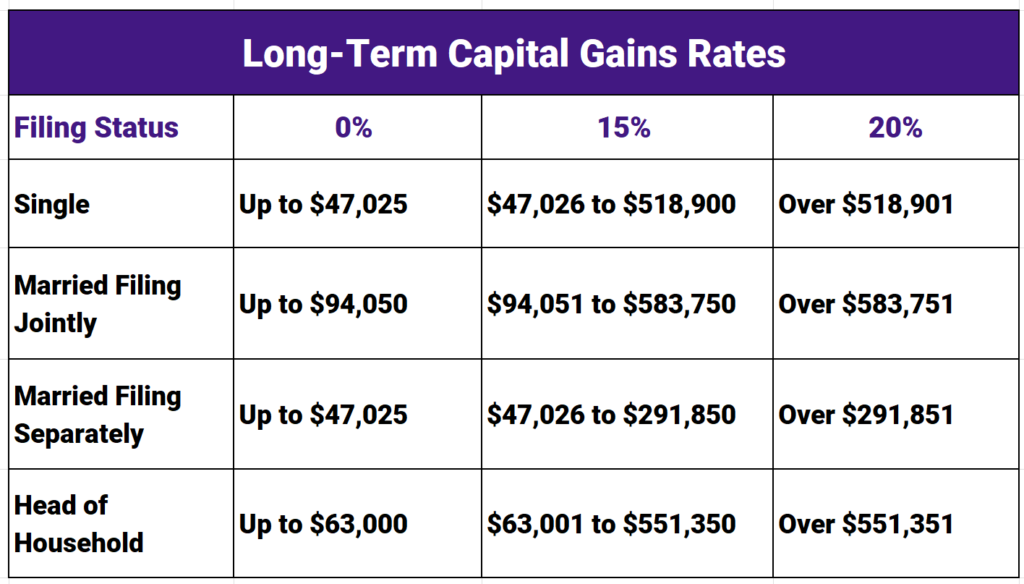
[Personal crypto readiness framework for 2026]
7. Conclusion: 2025 Was Not a Failure—It Was a Stress Test
Bitcoin did not “fail” in 2025.
It proved that it can absorb institutional flows, survive macro shocks, and remain globally liquid under extreme stress.
For those seeking new crypto assets, income opportunities, or real-world blockchain applications, the lesson is clear:
Sustainable success comes not from predicting peaks, but from building resilience.
2026 will reward preparation, not bravado.