
Main Points :
- Wallets allegedly linked to the Mt. Gox hacking case moved and possibly sold around 1,300 BTC (≈ USD 118–120 million) within a week, according to blockchain analytics.
- These wallets are still estimated to hold around 4,100 BTC (≈ USD 370–380 million), indicating continued potential sell pressure.
- The events overlap with ongoing official Mt. Gox creditor repayments, which themselves involve large-scale Bitcoin transfers.
- The market impact is not purely about supply; narratives, timing, and on-chain visibility matter just as much.
- For investors and builders, this case highlights the dual nature of Bitcoin: a censorship-resistant asset and a fully traceable financial ledger.
Exchange rate note: All fiat values in this article are shown in USD, calculated using an assumed BTC price of USD 91,000–93,000 for consistency. Exact market prices vary.
Introduction: When Old Bitcoin Moves, the Market Pays Attention
More than a decade after the collapse of Mt. Gox, the exchange that once processed nearly 70% of all Bitcoin trades worldwide, its legacy continues to influence today’s crypto markets. In late December 2025, blockchain analysts reported that wallets allegedly linked to Aleksei Bilyuchenko, one of the defendants charged by the U.S. Department of Justice in connection with laundering stolen Mt. Gox Bitcoin, transferred approximately 1,300 BTC to exchanges over a short period.
In dollar terms, this movement represents roughly USD 120 million—not insignificant even in today’s more liquid Bitcoin market. More importantly, it revives long-standing concerns: How much “old Bitcoin” remains capable of influencing prices, and how should investors interpret these movements amid legitimate creditor repayments?
This article examines the reported transfers, places them in historical and legal context, analyzes their potential market impact, and explores what this episode teaches us about transparency, risk, and opportunity in blockchain-based finance.
1. The Reported Wallet Activity: What Happened On-Chain
According to data published by Arkham Intelligence, wallets allegedly associated with Bilyuchenko transferred about 1,300 BTC to centralized exchanges over a one-week period in December 2025. Analysts noted that these movements appear to be part of a systematic selling pattern that began around October.
Arkham further reported that since this selling activity began, the same cluster of wallets has disposed of approximately 2,300 BTC in total, while still retaining around 4,100 BTC. At current prices, this remaining balance alone exceeds USD 370 million.
From an on-chain perspective, the signals are clear:
- Transfers originated from long-dormant addresses.
- Funds were sent to known exchange deposit wallets, a common precursor to market sales.
- The cadence suggests intentional liquidation, not random movement.
While blockchain data cannot definitively prove who controls a wallet, the attribution aligns with prior investigative and legal findings.
2. Legal Background: The Mt. Gox Laundering Case
Bilyuchenko and his alleged co-conspirator Alexander Vinnik (commonly cited in related cases) are accused by U.S. authorities of laundering Bitcoin stolen during the Mt. Gox hack between 2011 and 2014.
During that period, approximately 647,000 BTC were siphoned from Mt. Gox. At the time, Bitcoin traded in the hundreds of dollars or less. At today’s prices, the stolen amount would be worth tens of billions of dollars.
The case underscores a paradox of Bitcoin:
- The network is permissionless and irreversible, making theft possible.
- At the same time, it is public and traceable, enabling long-term forensic analysis.
Years after the crime, on-chain transparency continues to expose movements tied to those early exploits.
3. Parallel Developments: Official Mt. Gox Creditor Repayments

Complicating the narrative is the fact that legitimate Mt. Gox-related Bitcoin movements are also ongoing.
Under the civil rehabilitation process approved by the Tokyo District Court in 2021, the Mt. Gox trustee has been gradually distributing recovered Bitcoin to creditors. In mid-2024, approximately 141,686 BTC were consolidated into new wallets, and repayments began through exchanges such as Kraken and Bitbank.
More recently, Arkham reported that in November 2025:
- About 10,608 BTC moved from a trustee-controlled cold wallet to a hot wallet.
- Roughly 10,422 BTC were later sent to unidentified addresses, likely as part of repayment logistics.
- Smaller amounts remained in internal circulation.
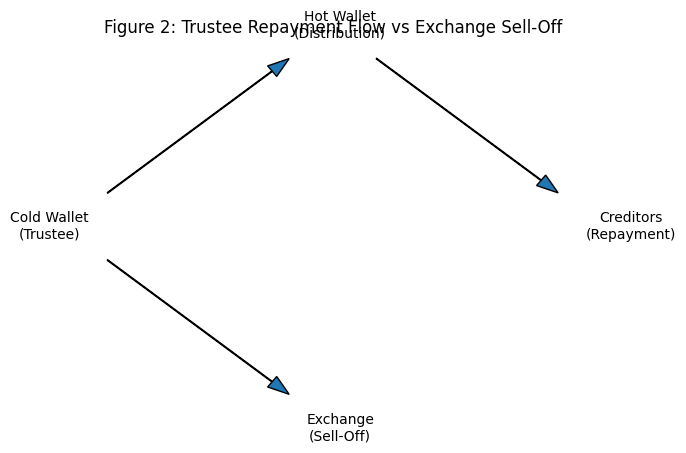
Historically, such transfers have preceded creditor distributions, not open-market dumping. However, markets often react first and analyze later, especially when old Bitcoin suddenly becomes active.
4. Market Impact: Supply vs. Psychology
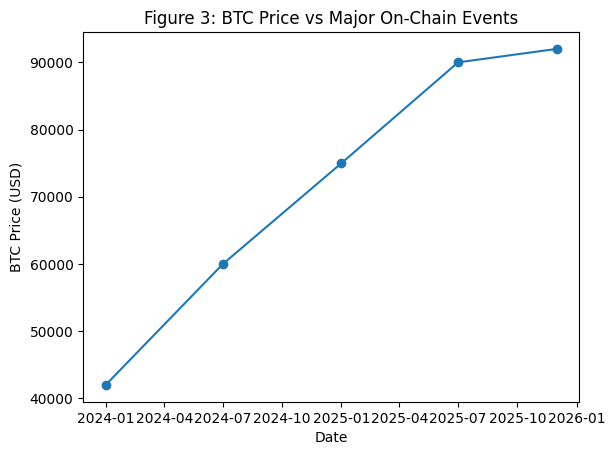
In pure numerical terms, 1,300 BTC represents a small fraction of Bitcoin’s daily trading volume, which often exceeds 300,000 BTC across global spot and derivatives markets.
So why does the market care?
4.1 The Psychological Weight of “Ancient Bitcoin”
Bitcoin that has remained untouched for a decade carries symbolic power. When it moves, traders interpret it as:
- Potential insider knowledge
- Forced liquidation
- Or a shift in long-term holder conviction
In reality, these interpretations may be wrong—but markets trade narratives, not just data.
4.2 Timing Matters More Than Size
If sales occur during periods of thin liquidity or heightened macro uncertainty, even modest sell pressure can amplify volatility. Conversely, in strong bull markets, such flows may be absorbed with minimal impact.
4.3 Overlapping Signals Create Confusion
The coexistence of:
- Alleged criminal wallet sales, and
- Legitimate trustee repayments
creates signal noise, making it harder for investors to distinguish risk from routine operations.
5. Transparency as a Double-Edged Sword
One of Bitcoin’s defining features is radical transparency. Every transaction is visible, traceable, and permanently recorded.
This has two important consequences:
- Delayed Accountability
Criminal proceeds can move for years, but they rarely disappear entirely from analytical view. - Market Reflexivity
The same transparency that empowers investigators also fuels speculative reactions, sometimes disproportionate to actual economic impact.
Traditional finance rarely offers this level of visibility. Large equity or bond transfers often occur in the dark, disclosed only after the fact—if at all.
6. What This Means for Investors Seeking Opportunity
For readers interested in new crypto assets, yield opportunities, or practical blockchain use, the Mt. Gox saga offers several lessons:
6.1 On-Chain Data Is Now a Core Investment Tool
Understanding exchange inflows, wallet clustering, and dormancy metrics is no longer optional. Platforms like Arkham, Glassnode, and CryptoQuant have turned blockchain transparency into actionable intelligence.
6.2 Structural Supply Events Are Finite
Both alleged criminal sell-offs and Mt. Gox repayments are known, bounded events. Once these coins are absorbed by the market, their overhang disappears.
Historically, Bitcoin has often rallied strongly after long-anticipated supply unlocks conclude.
6.3 Builders Benefit from Regulatory Clarity
Ironically, cases like this strengthen the argument for compliant infrastructure—licensed exchanges, custody solutions, and forensic tooling—which form the backbone of the next generation of blockchain applications.
Conclusion: The Past Still Moves the Market, But Less Than Before
The reported sale of 1,300 BTC from wallets allegedly linked to the Mt. Gox hacking case is a reminder that Bitcoin’s early history is not fully settled. Old coins still move, old crimes still echo, and markets still react.
Yet there is also a quieter, more important trend at work: Bitcoin has matured. What once would have caused panic now registers as manageable noise in a trillion-dollar asset class.
For investors and builders alike, the takeaway is clear. Transparency, while sometimes unsettling, is ultimately Bitcoin’s greatest strength. The ledger remembers everything—and in doing so, it steadily transforms risk into knowledge, and uncertainty into opportunity.