Main Points :
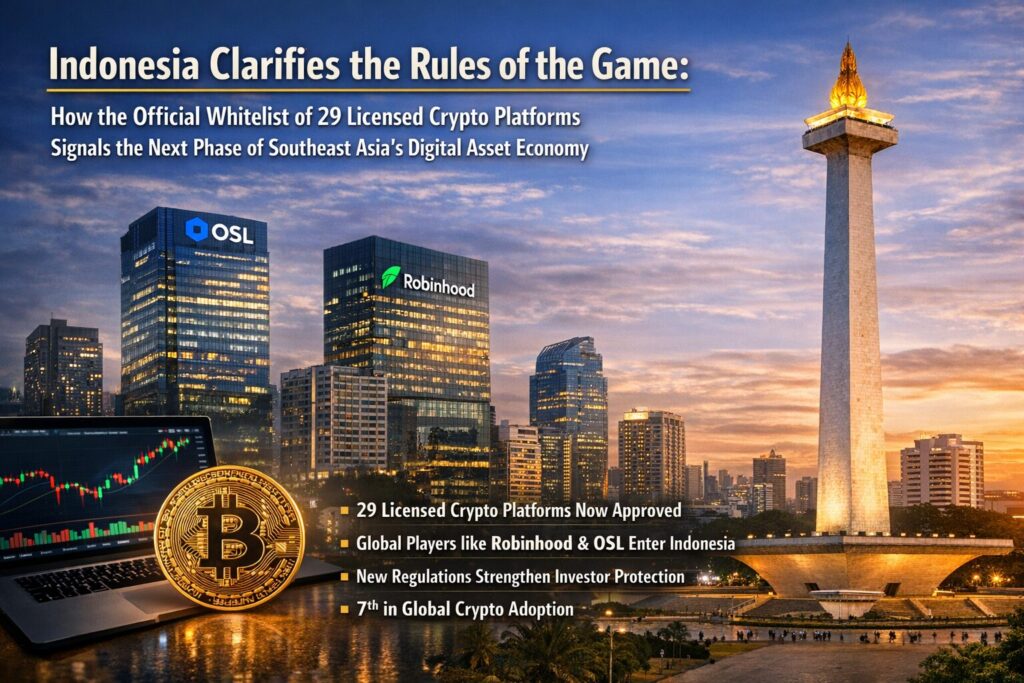
- Indonesia’s financial regulator has officially published a whitelist of 29 licensed cryptocurrency platforms, clearly defining which operators are legal.
- The move comes amid accelerating market entry by global players such as Robinhood and Hong Kong–based OSL.
- A new regulatory framework strengthens investor protection, covering spot crypto, derivatives, custody, and margin management.
- Indonesia has become one of the fastest-growing crypto markets globally, ranking 7th worldwide in adoption.
- For investors and operators, Indonesia now represents a regulated yet high-growth environment for crypto-related business models.
1. A Clear Signal from the Regulator: Why the Whitelist Matters
Indonesia’s financial regulator, the Financial Services Authority (OJK), has taken a decisive step toward regulatory clarity by publishing a whitelist of 29 cryptocurrency platforms legally authorized to operate in the country.
For years, Indonesia’s crypto market expanded rapidly but unevenly, with users often unable to distinguish between licensed and unlicensed platforms. The newly released list includes not only the company names, but also the specific apps and platforms associated with each operator. This enables retail users to verify legitimacy before depositing funds or trading.
OJK has explicitly warned that any platform not on the list should be treated as unlicensed, urging the public to avoid such services. This transforms regulatory compliance from a vague concept into a binary, enforceable standard—either a platform is authorized, or it is not.
From a market-structure perspective, this is a pivotal moment. Indonesia is signaling that crypto is not being banned or discouraged, but rather formalized and integrated into its broader financial system.
2. Global Players Move In: Why Indonesia Is Suddenly a Priority Marke
The timing of the whitelist is not accidental. It coincides with a surge in foreign strategic investment into Indonesia’s digital asset ecosystem.
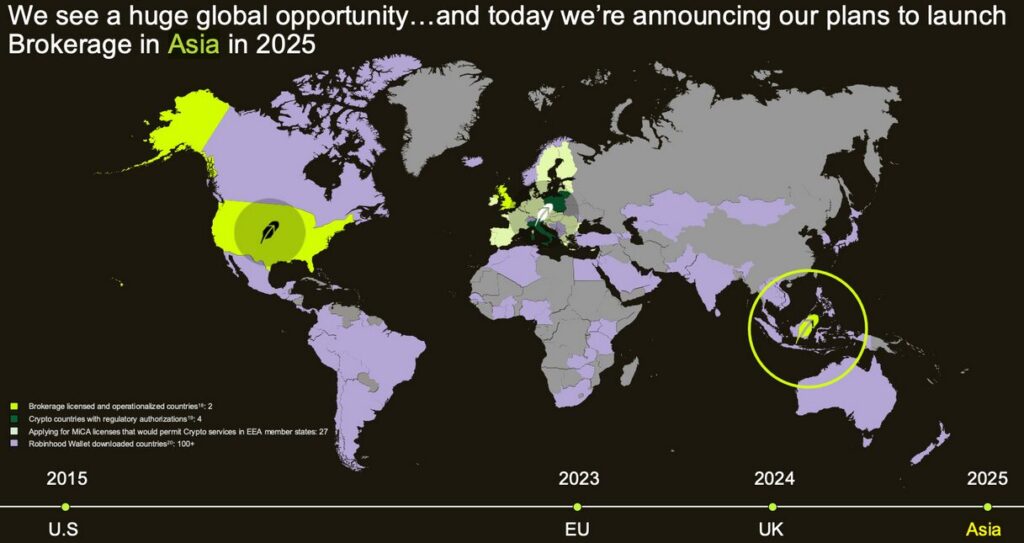
In early December, Robinhood announced that it had signed agreements to acquire Buana Capital, an Indonesian securities firm, along with PT Pedagang Aset Kripto, a locally licensed crypto company. Through this deal, Robinhood gains access to a market with approximately:
- 19 million capital market investors
- 17 million registered crypto traders
From a global fintech perspective, these figures are extraordinary. Few emerging markets combine such scale with rapid user adoption and increasing regulatory clarity.
Meanwhile, Hong Kong–based OSL Group completed its acquisition of the Indonesian exchange CoinSahabat, securing regulatory approval to provide both spot and derivatives trading.
These moves underline a crucial point: global firms no longer view Indonesia as a regulatory gray zone, but as a jurisdiction where long-term, compliant operations are viable.
3. Inside OJK Regulation No. 23: A New Supervisory Framework for Digital Assets
The whitelist is grounded in OJK Regulation No. 23, which significantly expands oversight of digital financial assets, including cryptocurrencies and crypto-linked derivatives.
Key provisions include:
3.1 Asset Approval at the Exchange Level
Platforms are prohibited from facilitating trades in digital assets not registered and approved by licensed exchanges. This eliminates informal listings and reduces exposure to high-risk or opaque tokens.
3.2 Pre-Approval for Crypto Derivatives
Any crypto derivative product must receive prior approval from OJK at the exchange level. This aligns Indonesia with international best practices seen in regulated derivatives markets.
3.3 Mandatory Segregation of Funds
Licensed platforms must implement strict segregation of customer funds from operational capital. This includes:
- Separate custody of user assets
- Transparent accounting structures
- Safeguards against misuse of client funds
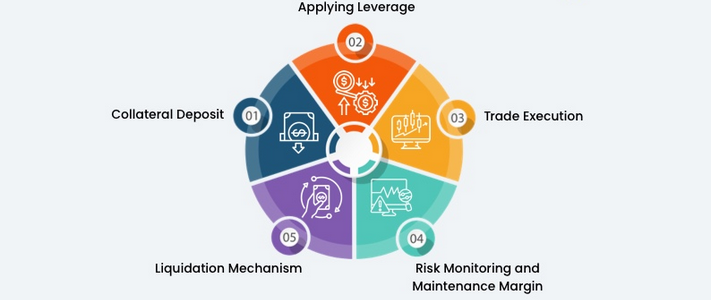
3.4 Margin and Collateral Management Using Digital Assets
Platforms offering derivatives must support crypto-based margin systems, ensuring real-time valuation and liquidation controls.
3.5 Investor Knowledge Testing
Before accessing derivatives, users must pass a knowledge assessment, confirming understanding of leverage, liquidation risk, and volatility.
OJK has emphasized that these measures are designed to mirror international supervisory standards, while adapting them to Indonesia’s domestic market structure.
4. Indonesia as a Global Crypto Powerhouse: Growth by the Numbers
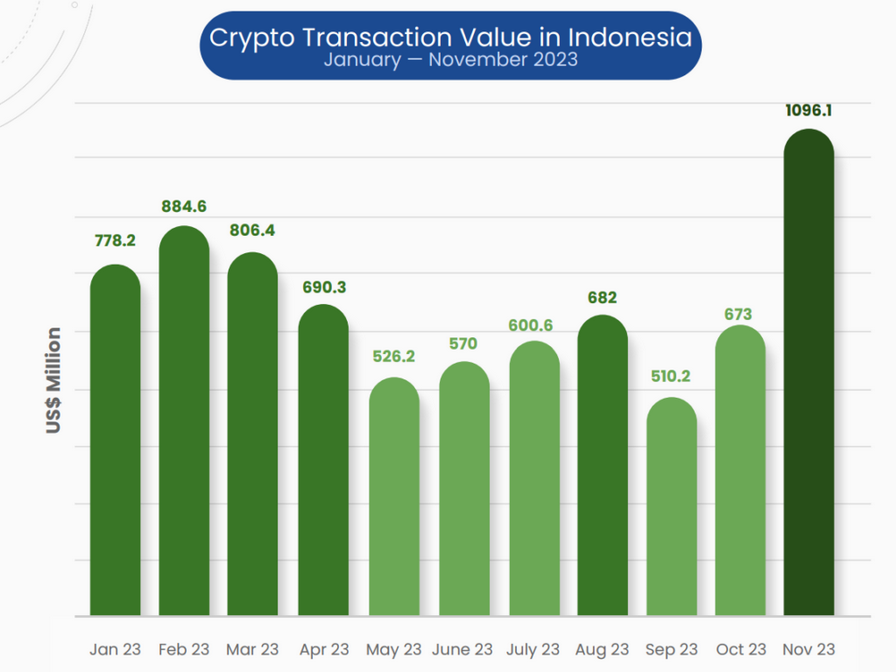
While regulation tightens, Indonesia’s crypto economy continues to expand at remarkable speed.
According to data cited by Robinhood and blockchain analytics firm Chainalysis, Indonesia is now one of the fastest-growing crypto markets in Southeast Asia.
In the 2025 Global Crypto Adoption Index, Indonesia ranked 7th worldwide, placing it among the most active crypto economies globally—ahead of many developed nations.
Several factors drive this growth:
- A young, mobile-first population
- Limited access to traditional investment products
- Strong demand for USD-linked stablecoins as a hedge
- Increasing integration of crypto with payment and fintech services
Importantly, Indonesia’s crypto adoption is not limited to speculation. Use cases increasingly include cross-border remittances, on-chain savings, and yield-generating products.
5. What This Means for Investors, Builders, and Institutions
The publication of the whitelist reshapes Indonesia’s crypto landscape in three fundamental ways.
5.1 For Retail and Professional Investors
The market now offers clear legal boundaries, reducing counterparty risk. Investors can focus on:
- Platform quality
- Asset selection
- Risk-adjusted returns
rather than basic legality concerns.
5.2 For Crypto Entrepreneurs and Builders
Indonesia is transitioning from an “experimental” market to a licensed operating environment. While compliance costs increase, so does:
- Institutional trust
- Access to banking partners
- Potential for partnerships with global firms
5.3 For Financial Institutions
Banks, brokerages, and fintech companies can now integrate crypto services with greater confidence, knowing which platforms meet regulatory standards.
In effect, Indonesia is building a regulated digital asset infrastructure, not merely supervising speculation.
6. Conclusion: Regulation as a Catalyst, Not a Constraint
Indonesia’s decision to publish an official whitelist of 29 licensed crypto platforms marks a structural turning point in Southeast Asia’s digital asset economy.
Rather than stifling innovation, OJK’s approach channels growth into compliant, transparent pathways. By combining market openness with strict supervision, Indonesia positions itself as a model for emerging economies seeking to harness crypto’s potential without sacrificing investor protection.
For those searching for new digital assets, sustainable revenue opportunities, and real-world blockchain applications, Indonesia is no longer a peripheral market—it is becoming a core battleground for the next phase of global crypto adoption.