Key Takeaways :
- The cryptocurrency market is approaching a structural stress point where extreme downside scenarios, including a potential Bitcoin crash toward $10,000, can no longer be dismissed as fantasy.
- Excessive leverage, fragile liquidity, and speculative capital without real demand have accumulated systemic risk across the entire digital asset ecosystem.
- In a severe Bitcoin drawdown, even major altcoins could lose over 90% of their value, triggering a historic purge of weak projects.
- Market destruction, while brutal, may be the only path toward rediscovering genuine value, real utility, and sustainable blockchain infrastructure.
- The next era of crypto will belong not to speculative narratives, but to assets and protocols that survive this cleansing through fundamental strength.
1. Staring into the Abyss: Why Extreme Crash Scenarios Signal an Ultimate Reset
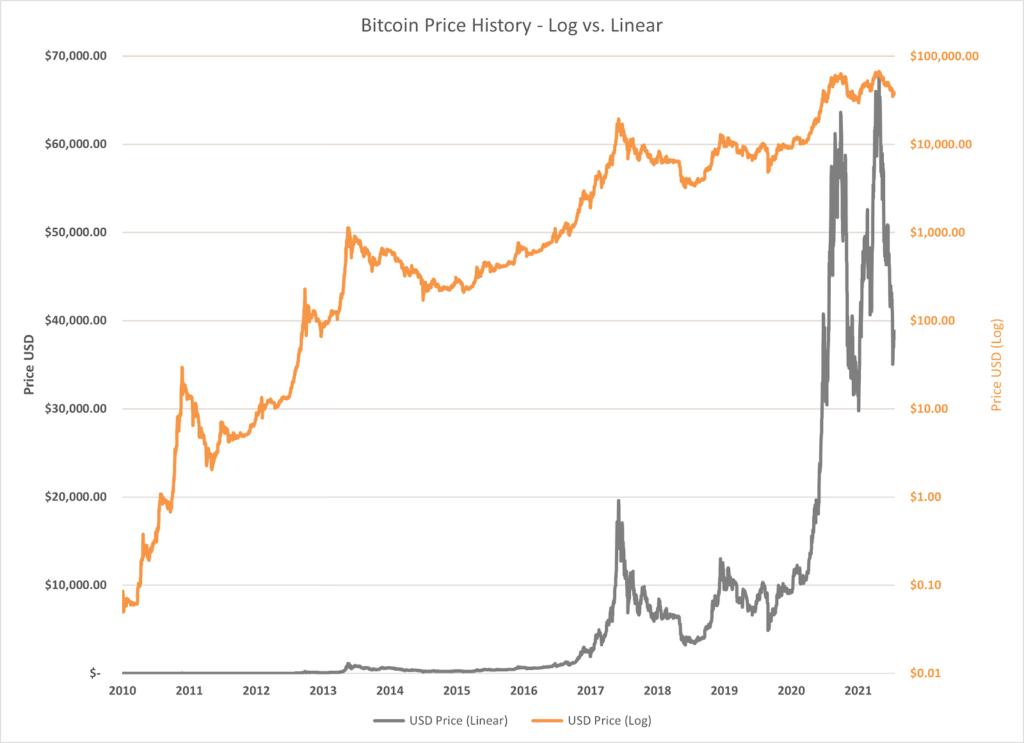
The cryptocurrency market is once again intoxicated by optimism. New all-time highs, institutional narratives, ETF inflows, and promises of mainstream adoption dominate headlines. Yet beneath this surface-level confidence lies a chilling counter-narrative: a growing number of analysts openly discussing a catastrophic Bitcoin decline toward $10,000.
At first glance, such predictions appear absurd—almost provocative. How could an asset embraced by corporations, governments, and global funds collapse by more than 80% from recent highs? However, financial history teaches us a brutal lesson: the most “impossible” price levels are often reached precisely because markets refuse to imagine them.
Every major asset bubble—whether equities in 1929, real estate in 2008, or technology stocks in 2000—collapsed far below what rational participants believed conceivable. Crypto, despite its revolutionary promise, is not immune to this gravitational law of markets.
A $10,000 Bitcoin scenario would not represent a routine correction. It would signify a fundamental breakdown of market structure: forced liquidations cascading through over-leveraged positions, stablecoin stress, liquidity evaporation across exchanges, and a collective crisis of confidence in crypto’s role as a store of value.
The foundations for such a collapse already exist. Years of easy liquidity have encouraged reckless leverage, while speculative inflows far outpaced real-world utility. Much of crypto’s valuation today rests on reflexive belief rather than sustainable cash flow, usage, or settlement demand.
If Bitcoin were to breach psychologically critical support levels, panic would no longer be optional—it would be systemic. Investors would be forced to confront an uncomfortable question: was their portfolio built to survive reality, or merely to thrive in perpetual optimism?
History shows that the most dangerous point in any market is where participants feel safest. The illusion of inevitability—“number go up forever”—often precedes the most violent reversals.
This is why extreme bearish forecasts matter. They are not predictions to be believed blindly, but stress tests for belief systems. Whether one dismisses them or prepares for them may determine survival in the next cycle.
2. The Violent Gravity of Bitcoin: How Altcoin Empires Face Extinction
If Bitcoin were to plunge toward $10,000, its gravitational force would not stop at its own price chart. As the reserve asset and liquidity anchor of the crypto ecosystem, Bitcoin’s collapse would unleash catastrophic pressure on the entire altcoin market.
Altcoins depend on Bitcoin not only for price correlation but for liquidity, confidence, and capital rotation. When Bitcoin bleeds, altcoins do not merely fall—they implode.
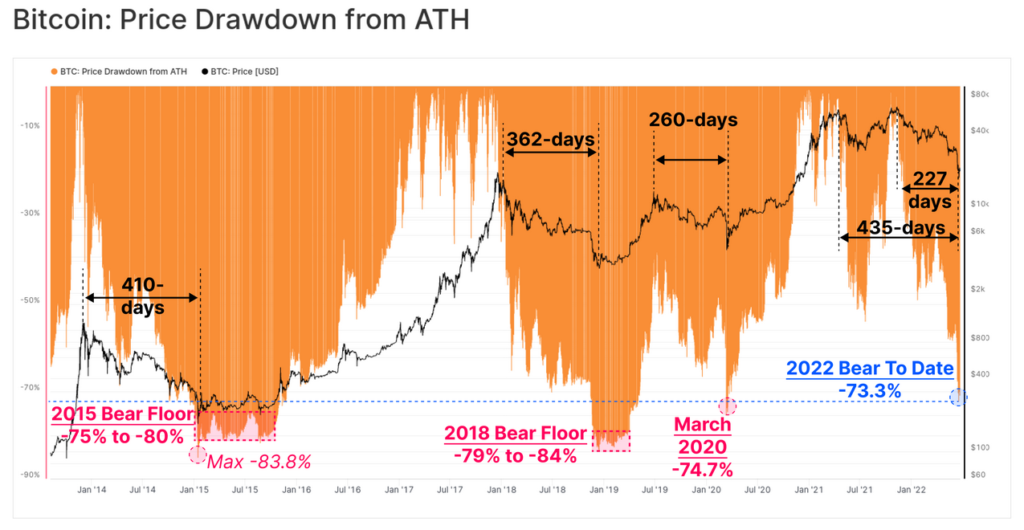
In such a scenario, even major assets like ETH, ADA, and XRP would face existential stress. Historical precedent suggests that during deep Bitcoin bear markets, altcoins routinely lose 80–95% of their value. A crash of this magnitude would likely erase entire market segments.
Smart contracts, academic blockchain research, and cross-border payment narratives offer little protection when liquidity disappears. Technology cannot save a token if investors lose faith in the market itself.
Projects built on fragile fundamentals—thin usage, inflated valuations, and narrative-driven demand—would simply vanish. Exchange order books would empty, development teams would disband, and once-celebrated roadmaps would become abandoned repositories.
The dream of “the next 100x altcoin” would dissolve overnight, replaced by the harsh mathematics of survival. Only projects with real users, sustainable economics, and essential infrastructure roles would stand a chance.
This violent reorganization would expose a truth many investors avoid: diversification across dozens of correlated tokens is not true risk management. In systemic crises, correlations converge toward one.
The altcoin purge would not discriminate between famous names and obscure experiments. Market capitalization built on expectation alone would be stripped away, leaving behind a landscape of silence and wreckage.
Yet within this devastation lies clarity. The crash would force the market to answer an uncomfortable question: which projects actually deserve to exist?
3. From Ruins to Renewal: Rediscovering Real Value After Destruction
Paradoxically, the aftermath of total destruction often provides the cleanest foundation for renewal. When illusions burn away, what remains is truth.
After speculative excess is purged, investors regain the ability to evaluate assets based on scarcity, utility, resilience, and necessity—not hype. Only through such a brutal reset can crypto evolve beyond its identity as a speculative casino.
A severe Bitcoin crash would recalibrate expectations permanently. Leverage would be treated with caution, narratives with skepticism, and decentralization with renewed seriousness. Surviving projects would carry the scars of crisis, but also the credibility earned through endurance.
This transition would mark crypto’s maturation from adolescent speculation to hardened infrastructure. Payment rails, settlement networks, identity layers, and trust-minimized protocols would finally take precedence over meme-driven valuations.
For investors, survival would require emotional discipline. Those who fixate on short-term price action would be shaken out, while those who focus on long-term structural value might finally find rational entry points.
The lesson of a $10,000 Bitcoin would be engraved into market memory: decentralization is not immune to human greed, and innovation does not exempt assets from economic gravity.
Yet history also shows that every crypto winter plants the seeds of its next spring. The survivors of this hypothetical purge would form the backbone of a stronger, more transparent financial system—one capable of integrating with the real economy rather than feeding on speculative cycles.
The future of crypto will not be decided at the peak of euphoria, but in the depths of despair. Those who can listen for signals amid the screams of panic will recognize the birth of a new order.
True value always emerges from the darkest moments. The question is not whether destruction will come, but whether we are prepared to understand what it creates.

Conclusion: The Price of Survival Is Understanding
A catastrophic reorganization of the crypto market would be cruel, unforgiving, and deeply painful. But it may also be necessary.
Only through such a reckoning can digital assets shed illusions, discard excess, and evolve into durable financial infrastructure. Survival will belong not to those who predict prices accurately, but to those who understand meaning deeply.
The market’s screams may sound like an ending—but hidden within them is the quiet beginning of something real.