Main Points :
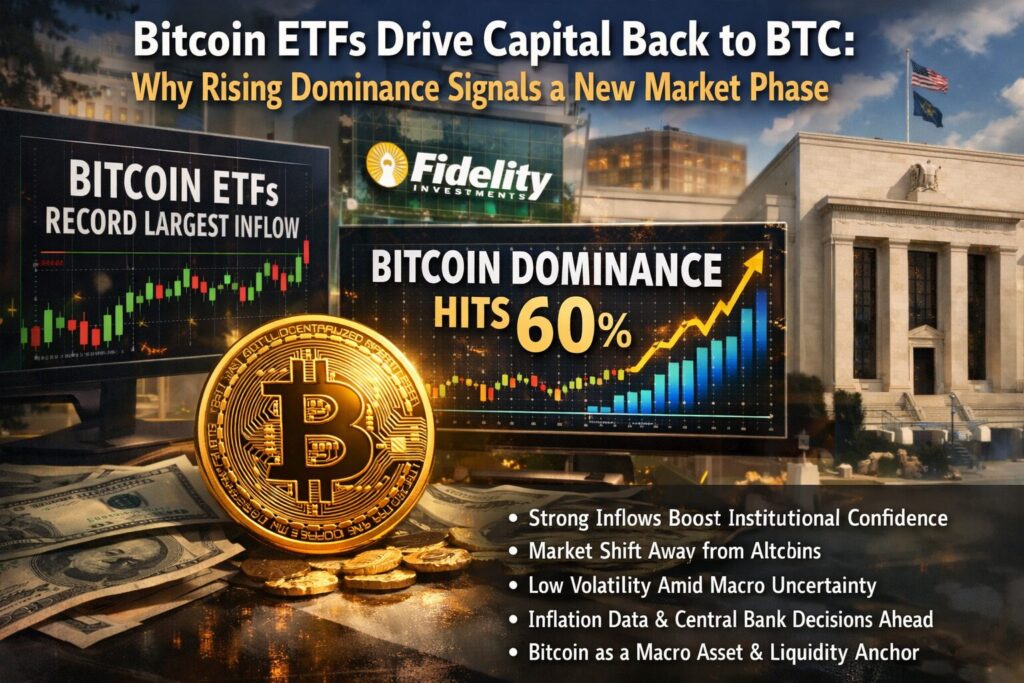
- US-listed spot Bitcoin ETFs recorded their largest net inflow in over a month, signaling renewed institutional confidence.
- Fidelity’s FBTC led inflows, placing the day among its top five strongest since launch.
- Bitcoin dominance climbed to 60%, highlighting a market shift away from altcoins.
- Despite macro uncertainty, implied volatility remains historically low.
- Upcoming inflation data and central bank decisions may amplify near-term price action.
- The ETF structure is reshaping Bitcoin’s role as both a macro asset and liquidity anchor in crypto markets.
1. A Turning Point for Bitcoin ETFs
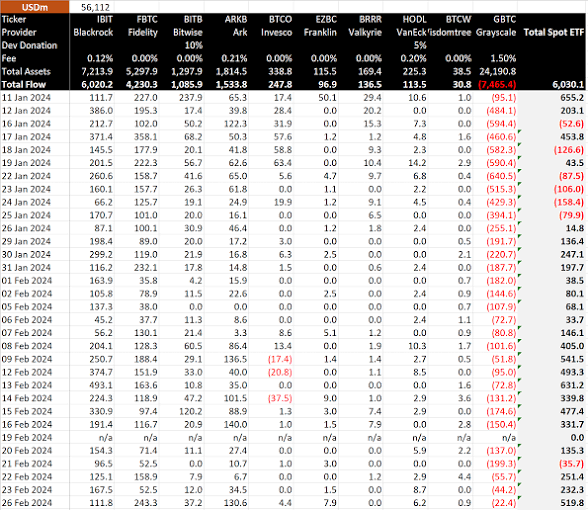
On December 17, US-listed spot Bitcoin exchange-traded funds (ETFs) recorded a combined net inflow of $457.3 million, the largest daily inflow since November 11. This surge came amid heightened volatility across global financial markets and renewed speculation about Bitcoin’s role as a macro-sensitive asset.
Bitcoin briefly approached the $90,000 level during the session before pulling back below $86,000, reflecting both strong demand and short-term profit-taking. Despite this intraday volatility, ETF inflows suggest that institutional investors were not deterred. On the contrary, they appear to be increasing exposure during price retracements.
This behavior reinforces a growing narrative: Bitcoin is increasingly treated less like a speculative altcoin and more like a digital macro asset, comparable to gold or long-duration risk hedges.
2. Fidelity and BlackRock: Institutional Capital Concentrates
According to data from Farside Investors, the bulk of the inflows—$391.5 million—went into Fidelity’s Wise Origin Bitcoin Fund (FBTC). This single-day inflow ranks among the top five strongest inflow days since FBTC’s inception.
BlackRock’s iShares Bitcoin Trust (IBIT) also recorded strong demand, attracting $111.2 million in net inflows. Together, these two products accounted for the vast majority of new capital entering the Bitcoin ETF ecosystem that day.
This concentration matters. Unlike retail-driven inflows spread across smaller funds, capital clustering around Fidelity and BlackRock suggests a preference for:
- Deep liquidity
- Institutional-grade custody
- Strong regulatory and brand trust
In effect, Bitcoin ETFs are becoming a gateway for traditional asset managers who previously avoided direct crypto exposure.
Title: Daily Net Inflows of US Spot Bitcoin ETFs (Last 60 Days)
3. Bitcoin Dominance at 60%: What the Market Is Saying
Bitcoin dominance—the percentage of Bitcoin’s market capitalization relative to the total crypto market—rose to 60%, its highest level in over a month.
Historically, rising BTC dominance tends to coincide with periods of:
- Risk aversion
- Capital consolidation
- Macro uncertainty
This does not necessarily imply bearishness for the crypto market as a whole. Rather, it reflects a flight to perceived quality within digital assets. Investors appear to be reducing exposure to higher-beta altcoins and reallocating capital into Bitcoin as the most liquid and institutionally accepted crypto asset.
Notably, the last time Bitcoin dominance hovered near this level was mid-November, when BTC was trading close to $100,000. While price levels differ today, the structural market behavior shows similarities.
4. Volatility Is Low—But That May Not Last
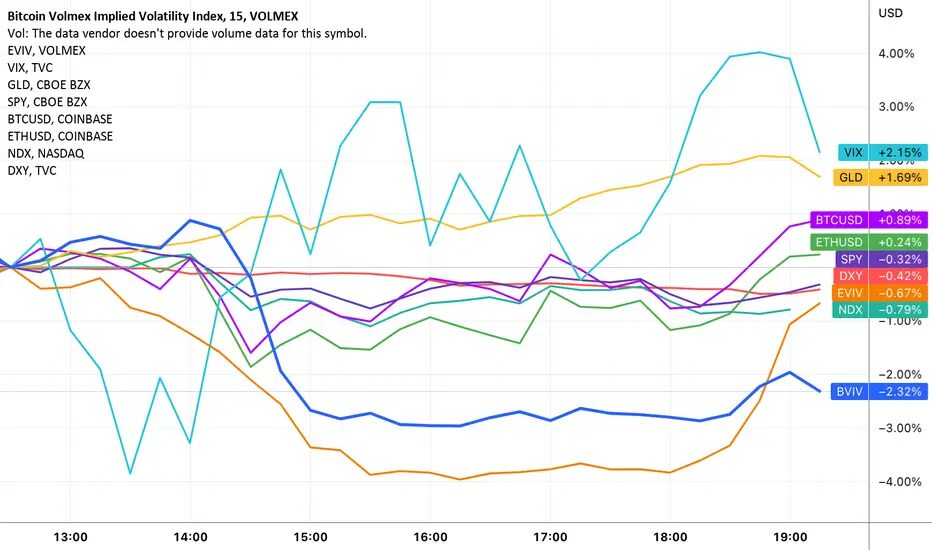
Despite sharp intraday price swings, implied volatility remains subdued. The Volmex Bitcoin Implied Volatility Index (BVIV) is currently just below 50, a level considered low by historical standards.
Low implied volatility suggests that the options market is not pricing in large future price swings. This may appear counterintuitive given the upcoming macro events, but it reflects several structural shifts:
- ETF inflows provide steady, non-leveraged demand.
- Long-term holders continue to reduce circulating supply.
- Institutional investors favor gradual accumulation rather than momentum chasing.
From a strategic standpoint, low implied volatility combined with rising ETF inflows often precedes volatility expansion, making the current environment particularly relevant for traders and structured product desks.
Title: Bitcoin Implied Volatility (BVIV) vs BTC Price
5. Macro Forces: Central Banks and Inflation Data
The ETF inflows occurred against a backdrop of significant macroeconomic developments.
On December 18 (UTC):
- The Bank of England cut its policy rate by 25 basis points, bringing it to 3.75%.
- The European Central Bank (ECB) held rates steady at 2.15%.
- The United States and Japan are scheduled to release inflation data later in the day.
These events matter because Bitcoin has increasingly shown sensitivity to real interest rates, liquidity expectations, and inflation surprises. Rate cuts and easing expectations tend to support non-yielding assets such as Bitcoin, particularly when investors anticipate future monetary accommodation.
6. Why Bitcoin ETFs Are Changing Market Structure
The significance of ETF inflows goes beyond short-term price impact. Structurally, ETFs are altering how capital enters and exits the crypto market:
- Reduced Friction
Institutional investors can now gain Bitcoin exposure without managing private keys or dealing with crypto-native infrastructure. - Longer Investment Horizons
ETF investors tend to operate on monthly or quarterly allocation cycles, reducing reflexive selling. - Liquidity Anchoring
ETFs absorb spot supply, tightening available float and amplifying the impact of marginal demand.
For blockchain practitioners and crypto entrepreneurs, this shift implies that Bitcoin is increasingly becoming the base settlement and reserve asset of the digital economy.
Title: Bitcoin Dominance vs Total Crypto Market Capitalization

7. Implications for Investors Seeking the Next Opportunity
For readers searching for new crypto assets or revenue opportunities, rising Bitcoin dominance does not mean innovation is slowing. Instead, it suggests a phase transition:
- Bitcoin consolidates capital and legitimacy.
- Altcoin innovation continues, but funding becomes more selective.
- Practical blockchain applications increasingly anchor value to BTC or BTC-adjacent infrastructure.
Historically, periods of high Bitcoin dominance have preceded the next wave of selective altcoin growth—often in areas with clear revenue models such as infrastructure, settlement layers, and compliance-friendly financial products.
8. Conclusion: Bitcoin Reasserts Its Role
The recent surge in Bitcoin ETF inflows and the rise in BTC dominance to 60% reflect more than a short-term market fluctuation. They signal a structural reassertion of Bitcoin’s role as the core asset of the crypto ecosystem.
As macro uncertainty persists and institutional participation deepens, Bitcoin is increasingly positioned at the intersection of traditional finance and decentralized systems. For investors, builders, and policymakers alike, understanding this shift is essential—not only to navigate current market conditions, but to anticipate where the next sustainable opportunities will emerge.