Main Points :
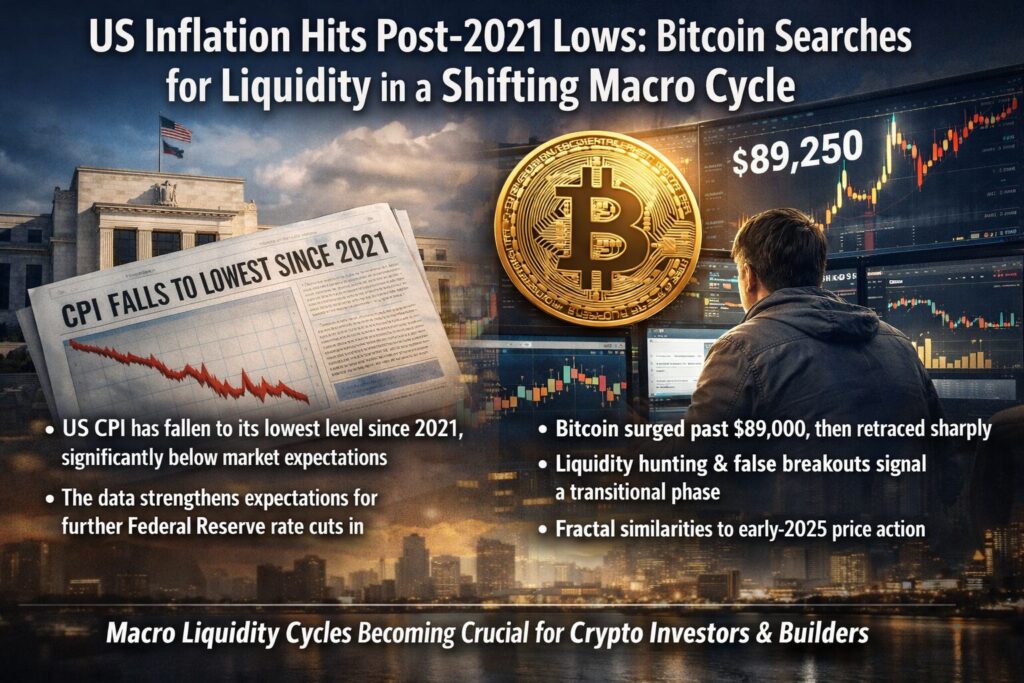
- US CPI has fallen to its lowest level since 2021, significantly below market expectations
- The data strengthens expectations for further Federal Reserve rate cuts in 2025
- Bitcoin reacted with sharp volatility, briefly surpassing $89,000 before retracing
- Liquidity hunting and false breakouts suggest a transitional market phase
- Fractal similarities to early-2025 price action raise the possibility of a new macro bottom
- For crypto investors and builders, macro liquidity cycles are becoming as important as on-chain fundamentals
1. CPI Shock: Why This Inflation Print Matters More Than It Looks
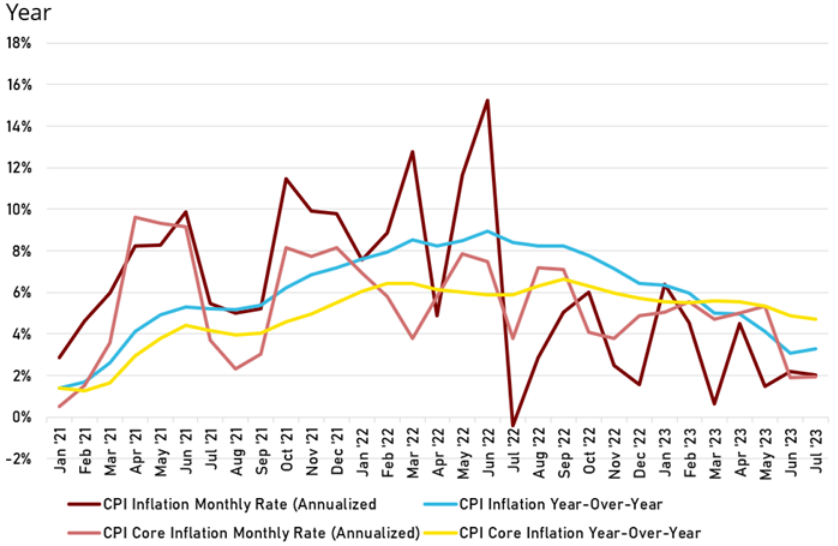
Bitcoin entered Thursday’s Wall Street session with heightened volatility as markets reacted to an unexpectedly weak US inflation report. According to data released by the US Bureau of Labor Statistics (BLS), the Consumer Price Index (CPI) for November showed one of the largest month-on-month declines since 2023, pushing annual inflation to levels not seen since early 2021.
The headline CPI rose 2.7% year-on-year, down from 3.0% in the prior reported period. This decline came in well below market expectations, which had anticipated inflation closer to 3.1%. Importantly, the October CPI report had been skipped due to a government shutdown, making the November release even more impactful.
From a macro perspective, this data signals that post-pandemic inflation pressures are easing faster than policymakers had expected. Core CPI — often considered the Federal Reserve’s preferred inflation gauge — also dropped to its lowest level since March 2021, moving closer to the Fed’s long-standing 2% target.
This shift is not merely statistical. Inflation data directly influences interest rate expectations, bond yields, dollar strength, and global liquidity — all of which are critical drivers for Bitcoin and digital asset markets.
Title: US CPI Year-on-Year Change (%)
Description: Line chart showing CPI decline from 2022 peak to current 2.7%
2. Bitcoin’s Immediate Reaction: Volatility Without Direction
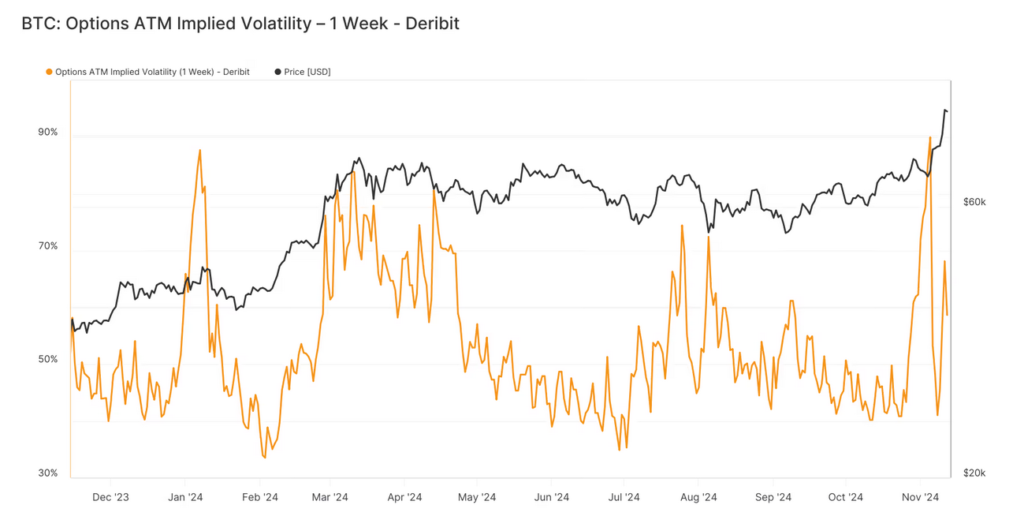
Following the CPI release, Bitcoin (BTC) experienced sharp intraday swings. BTC/USD briefly surged above $89,000, triggering short liquidations, before quickly reversing lower as profit-taking and algorithmic selling kicked in.
Data from Cointelegraph Markets Pro and TradingView shows that this move lacked follow-through — a recurring theme in recent weeks. Instead of establishing a clear trend, Bitcoin appears caught in a liquidity-seeking phase, probing both upside and downside levels without commitment.
This behavior reflects a broader market uncertainty. While lower inflation is theoretically bullish for risk assets, traders are increasingly cautious about front-running monetary policy shifts. The market is asking not if rates will fall, but how fast and how deep those cuts will be.
Crypto trader Daan Crypto Trades summarized the situation succinctly: falling CPI, a weaker dollar, and declining bond yields create a supportive environment for Bitcoin — but only once liquidity conditions fully align.
Title: BTC/USD 1-Hour Chart Around CPI Release
Description: Sharp spike above $89,000 followed by rapid retracement
3. Rate Cuts Back on the Table: Fed Expectations Reset
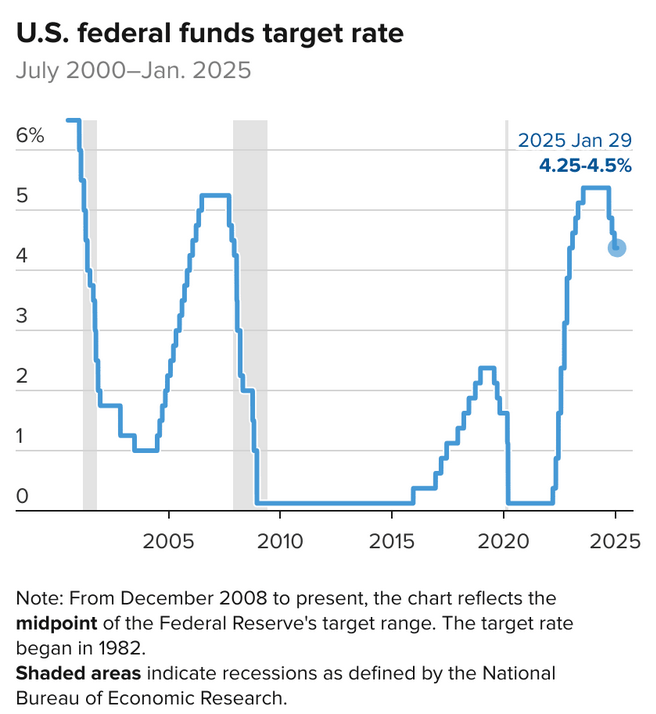
Perhaps the most important consequence of this CPI report lies in interest rate expectations. According to the CME Group’s FedWatch Tool, the probability of a rate cut at the January 28 FOMC meeting has risen to 26.6%, a notable increase from prior weeks.
Even more significant is the trajectory beyond January. Markets are increasingly pricing in multiple rate cuts throughout 2025, driven by slowing inflation, softening labor data, and declining real yields.
For Bitcoin, rate cuts matter because they typically expand global liquidity. Lower rates reduce the opportunity cost of holding non-yielding assets like BTC, while simultaneously encouraging speculative capital to seek higher returns in alternative markets.
However, timing remains critical. Historically, Bitcoin often experiences turbulence before sustained liquidity expansion takes hold.
Title: Federal Funds Rate Cut Probabilities
Description: Bar chart showing January FOMC rate cut probabilities
4. Liquidity Hunts and “Manipulation”: A Structural Market Phenomenon
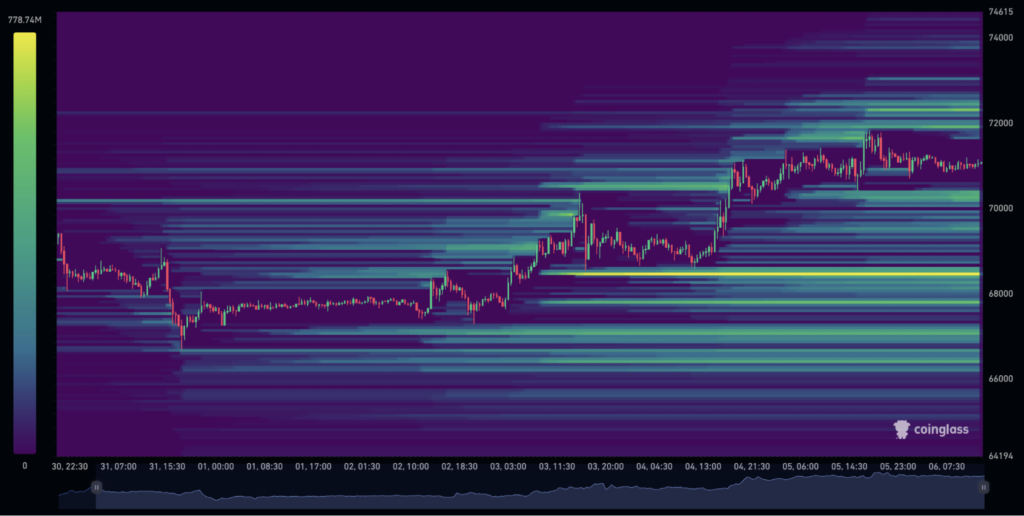
In the days surrounding the CPI release, Bitcoin repeatedly failed to maintain breakouts in either direction. Both long and short traders were caught offside as price action swept liquidity above resistance and below support.
This has led some market participants to accuse larger players of “manipulation.” In reality, this behavior is characteristic of thin liquidity environments, where large orders can disproportionately move price.
According to CoinGlass, total crypto liquidations exceeded $630 million in the 24 hours following the CPI data. Such liquidation cascades amplify volatility, reinforcing short-term instability even amid bullish macro signals.
For professional traders and institutional participants, this environment favors patience and position sizing over directional conviction.
Title: Total Crypto Market Liquidations (24h)
Description: Bar chart showing $630M+ in liquidations
5. Fractals and the Risk of One More Macro Bottom
Amid the noise, some analysts are looking beyond short-term volatility to historical patterns. Crypto trader and entrepreneur Ted Pillows highlighted similarities between current price action and Bitcoin’s behavior in early 2025.
According to this fractal comparison, Bitcoin may still face a final macro pullback before resuming a sustained uptrend. In early April 2025, BTC briefly dipped below $75,000 before entering a stronger recovery phase.
If this pattern repeats, the market could be in the process of forming a higher-timeframe base — a scenario that would favor long-term investors over leveraged traders. 🔍 [Insert Image 5 here]
Title: Bitcoin Futures Fractal Comparison
Description: Overlay of early-2025 and current BTC futures patterns
Source: Ted Pillows / X
6. What This Means for Crypto Investors and Builders
For readers searching for new crypto assets, yield opportunities, or practical blockchain use cases, the current environment offers both risks and opportunities.
Lower inflation and eventual rate cuts favor long-duration assets, including Bitcoin, Ethereum, and select Layer-1 and infrastructure tokens. At the same time, liquidity-driven volatility rewards those who understand macro timing rather than pure narrative speculation.
For builders, declining rates may unlock renewed venture funding and institutional experimentation, particularly in areas such as tokenized real-world assets, on-chain settlement, and cross-border payment rails.
The key takeaway: macro conditions are becoming a first-order variable in crypto valuation.
Conclusion: Bitcoin at the Crossroads of Liquidity and Patience
The latest US CPI data marks a turning point in the post-pandemic macro cycle. Inflation is cooling faster than expected, rate cuts are back on the table, and global liquidity conditions are gradually shifting.
Bitcoin’s volatile reaction underscores a market in transition — one that is searching for liquidity rather than celebrating prematurely. While short-term turbulence may persist, the structural backdrop is becoming increasingly supportive for digital assets.
For those willing to think beyond daily price action, this phase may ultimately be remembered not as a top, but as a foundation.